Buy sublimationtalk.com ?
We are moving the project
sublimationtalk.com .
Are you interested in purchasing the domain
sublimationtalk.com ?
domain@kv-gmbh.de · 0541-91531010
Buy sublimationtalk.com ?
What are trophic levels and trophic structures?
Trophic levels refer to the hierarchical levels in an ecosystem through which energy and nutrients flow. They represent the feeding positions of different organisms in a food chain or food web. Trophic structures, on the other hand, describe the organization of these trophic levels within an ecosystem. This includes the distribution of energy and nutrients among different organisms, as well as the interactions and relationships between them. Overall, trophic levels and trophic structures are important concepts for understanding the flow of energy and nutrients in ecosystems and the dynamics of food chains and food webs. **
Are trophic levels and trophic levels the same in biology?
No, trophic levels and trophic levels are not the same in biology. Trophic levels refer to the hierarchical levels in an ecosystem based on an organism's position in the food chain, such as producers, primary consumers, secondary consumers, etc. On the other hand, trophic cascades are the indirect effects that occur when a change in one trophic level impacts other trophic levels in the ecosystem. Both concepts are important in understanding the dynamics of energy flow and interactions within ecosystems. **

Similar search terms for Trophic
Top-Angebote
Products related to Trophic:
-
Art of Mindfulness for Beginners Art Therapy Nature by Bjain PublishingDescription. Condition: BRAND NEW. Format: Paperback. Art of Mindfulness for Beginners Art Therapy Nature. Title. Art of Mindfulness for Beginners Art Therapy Nature by Bjain Publishing. Delivery. Content. Reviews2,49 £*Shipping: 2,99 £Secure redirect to the provider
-
Oli Doyle & Andy Puddicombe Mindfulness Plain & Simple, Headspace Guide To Meditation And Mindfulness 4 Books Set - Non Fiction - PaperbackTitles in This Set:. Mindfulness Plain & Simple. Headspace Guide To Meditation And Mindfulness. Meditation For Fidgety Skeptics. 10% Happier Condition: BRAND NEW. Format: Paperback Overview:. This four-book mindfulness collection packs practical wisdom into a compact, affordable paperback bundle designed for everyday life. Mindfulness Plain & Simple delivers a clear, jargon-free entry point for those curious about calm, focus, and happiness, guiding readers to notice the present moment in small, achievable steps. The Headspace Guide To Meditation And Mindfulness translates a decade of practice into accessible routines—ten minutes can make a meaningful difference in mood, sleep, and stress. Meditation For Fidgety Skeptics invites even the busiest skeptics to test practical exercises with honesty and humor, turning hesitation into action. 10% Happier brings a candid, memoir-style path to mindfulness, showing how real-life pressures can become catalysts for lasting balance. Together, these four titles form a complete, nurturing toolkit for reducing stress, boosting concentration, and cultivating well-being at home, work, and school. Whether you’re new to mindfulness or seeking a trusted, proven approach, this collection invites you to begin today. What Makes This Collection Special:. This collection stands apart because four distinct voices converge on a single mission: make mindfulness practical, approachable, and sustainable. Oli Doyle’s Mindfulness Plain & Simple offers a friendly doorway for absolute beginners; Andy Puddicombe’s Headspace approach provides a clear, evidence-based framework for short daily sessions; Dan Harris, with Jeff Warren and Carlye Adler, meets readers where they are—skepticism included—turning resistance into momentum; and 10% Happier adds a memoir’s honesty to the toolkit, illustrating tangible life-changing results. The variety ensures different learning styles are catered for, while the consistent thread—short, manageable practices—builds confidence to try, repeat, and integrate mindfulness into everyday routines. This makes the set not only a collection but a coherent reading journey toward greater calm, focus, and resilience. Books Included in This Collection:. Mindfulness Plain & Simple. With a clear, down-to-earth voice, Mindfulness Plain & Simple invites newcomers to experience mindfulness without jargon or fluff. The book breaks down practical exercises—moment-to-moment awareness, simple breathing practices, and gentle body scans—that fit into a busy day. Readers discover how a few minutes of mindful attention can sharpen focus, ease anxiety, and boost mood, creating a reliable foundation for healthier habits. The tone is warm and encouraging, making it easy to start and sustain a personal mindfulness routine that genuinely improves everyday life. Headspace Guide To Meditation And Mindfulness. Andy Puddicombe distills his Headspace philosophy into an approachable, action-oriented manual. Emphasizing short...19,99 £*Shipping: 2,99 £Secure redirect to the provider
-
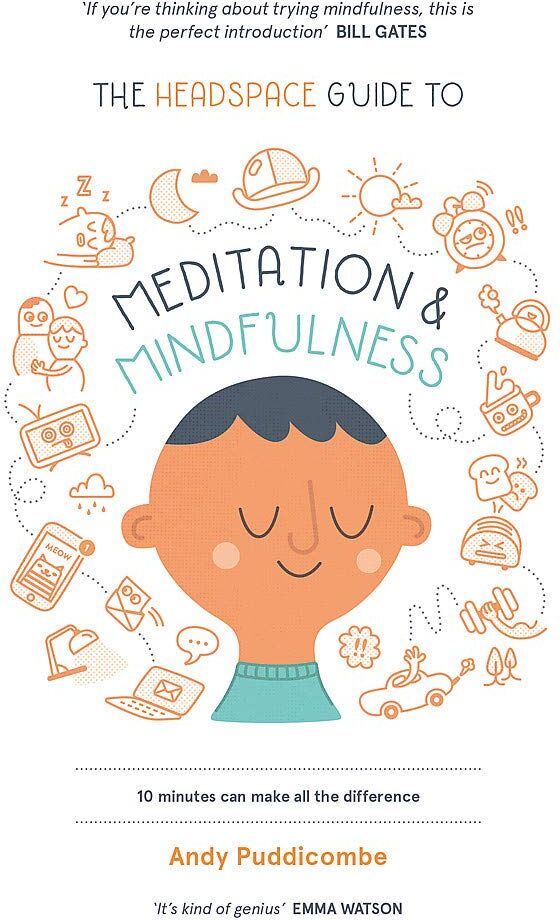
The Headspace Guide To Mindfulness & Meditation By Andy Puddicombe - Non Fiction - PaperbackTitle:. The Headspace Guide to Mindfulness & Meditation: 10 minutes can make the difference: 10 minutes can make the difference Condition: BRAND NEW. Format: Paperback. ISBN: Overview:. In this approachable guide from Headspace founder Andy Puddicombe, you’ll uncover a practical, step-by-step path to mindfulness that fits into even the busiest day. The Headspace Guide to Mindfulness & Meditation makes the case for a simple habit: just 10 minutes can change the way you experience your day. Written in clear, reassuring language, the book translates ancient meditation techniques into modern, actionable steps—breathing exercises, body scans, and brief seated practices that cultivate clarity, calm, and resilience. You’ll learn to notice thoughts without getting swept away by them, reduce stress responses, and bring a steadier, more compassionate presence to work, relationships, and everyday moments. This paperback is designed for newcomers and seasoned readers alike, offering a friendly on-ramp into mindfulness and a reliable toolkit you can return to again and again, wherever you are. Whether you’re seeking a gentler approach to anxiety, improved sleep, or sharper focus, this guide provides a trusted framework you can trust to support real-life change. By weaving short practices into daily routines, you’ll build lasting habits that empower you to live more fully in the moment. What Makes This Book Stand Out:. What sets this guide apart is its emphasis on practicality over theory. Andy Puddicombe distills mindfulness into approachable, non-technical language and keeps the focus firmly on ten-minute moments that are easy to squeeze into a lunch break, commute, or quick breathing exercise before bed. The book blends concise explanations with guided practices, encouraging readers to experiment with different rituals—breath awareness, body awareness, and gentle visualisations—until they discover what resonates. Its strength lies in turning a potentially abstract concept into repeatable actions that fit real lives, creating an accessible doorway to mindfulness for beginners while offering meaningful reminders for those revisiting the practice. The tone is encouraging, not prescriptive, inviting readers to explore curiosity, compassion, and consistency as the core benefits unfold across days and weeks of practice. The result is a trustworthy companion that supports calmer days, steadier emotions, and a more mindful approach to challenges big and small. Who This Book Is Perfect For:. This book is ideal for anyone curious about mindfulness who wants tangible results without complex methods. It’s especially suitable for busy professionals seeking stress relief and better focus, students navigating exams and deadlines, parents juggling responsibilities, and anyone new to meditation who fears it might be too “out there.” If you’ve tried short mindfulness exercises before but struggled to make them regular, or you simply want a reliable, beginner-friendly guide...2,99 £*Shipping: 2,99 £Secure redirect to the provider
-
The Cart Load Sound Therapy Healing Tuning Fork, Musical Instrument With Silicone Hammer For Stress Relief And Healing Sound Therapy Healing Tuning Fork, Musical Instrument With Silicone Hammer For Stress Relief And HealingThe Healing Tuning Fork with Silicone Hammer is a powerful tool designed to enhance your wellness journey. This sound therapy musical instrument is perfect for reducing stress, improving mental clarity, and promoting physical healing through the...43,97 $*Shipping: 0,00 $Secure redirect to the provider


-
Are trophic levels and trophic levels the same thing in biology?
No, "trophic levels" and "trophic levels" are not the same thing in biology. "Trophic levels" refer to the hierarchical levels in an ecosystem based on an organism's position in the food chain, such as producers, primary consumers, secondary consumers, and so on. On the other hand, "trophic levels" appears to be a typographical error or a repetition of the term "trophic levels." In biology, it is important to use accurate and specific terminology to avoid confusion and miscommunication. **
-
Why do organisms become larger from trophic level to trophic level?
Organisms become larger from trophic level to trophic level due to the efficiency of energy transfer in ecosystems. As energy is transferred from one trophic level to the next, there is a loss of energy in the form of heat and metabolic processes. Larger organisms are able to consume more energy-rich food sources and have a more efficient metabolism, allowing them to grow in size as they move up the food chain. Additionally, larger organisms are better equipped to capture and consume prey, giving them a competitive advantage in obtaining energy and resources. **
-
Why do organisms get larger from trophic level to trophic level?
Organisms tend to get larger from one trophic level to the next because as energy is transferred up the food chain, there is a loss of energy at each level. This means that organisms at higher trophic levels need to consume larger quantities of organisms from lower trophic levels to obtain enough energy to sustain themselves. Additionally, larger organisms are more efficient at capturing and consuming prey, allowing them to thrive at higher trophic levels. Finally, larger organisms have a lower surface area to volume ratio, which helps them retain heat and energy more effectively. **
-
Why does the biomass decrease from trophic level to trophic level?
Biomass decreases from trophic level to trophic level because energy is lost as it moves through the food chain. Organisms at each trophic level use some of the energy they consume for their own metabolic processes, such as respiration and movement, and the rest is lost as heat. This means that there is less energy available to be passed on to the next trophic level, resulting in a decrease in biomass. Additionally, not all of the energy from one trophic level is consumed by the next level, as some is lost through waste and uneaten parts of organisms. **


What are trophic levels in biology?
Trophic levels in biology refer to the hierarchical levels in an ecosystem where organisms are grouped based on their feeding relationships. The primary producers, such as plants, are at the base of the trophic levels as they convert sunlight into energy through photosynthesis. Herbivores that feed on plants are at the next level, followed by carnivores that eat herbivores. Each trophic level represents a transfer of energy and nutrients through the ecosystem, with energy decreasing as it moves up the levels. **
What is the trophic level of omnivores?
Omnivores are organisms that consume both plants and animals, so their trophic level can vary. When they consume plants, they are considered primary consumers (herbivores) and when they consume animals, they are considered secondary consumers (carnivores). This means that omnivores can occupy multiple trophic levels within a food web, depending on their diet. **
Top-Angebote
Products related to Trophic:
-
Art of Mindfulness for Beginners: Art Therapy & Nature - Paperback Self-Help Book by B Jain Publishing - Mindfulness & Art Therapy for AdultsDiscover a gentle and accessible guide to mindfulness through art therapy and nature. This beginner-friendly paperback is designed for those looking to slow down and reconnect with the present moment through creative expression. Blending simple art-making exercises with the calming influence of the natural world, it provides practical tools for reducing stress. No artistic experience is required, just an open mind and a willingness to explore mindfulness through colour, texture, and the rhythms of nature. This book sits at the crossroads of art therapy and nature-based mindfulness, two disciplines that can help ease everyday anxiety and mental fatigue. Rather than focusing on technical drawing or painting skill, the book centres on process over product, guiding readers through a series of exercises that promote mindfulness and self-discovery. Published by B Jain Publishing, this paperback is a great resource for anyone looking to cultivate a greater sense of calm and well-being in their daily lives.3,49 £*Shipping: 2,99 £Secure redirect to the provider
-
Coronet The Headspace Guide to Mindfulness & Meditation by Andy Puddicombe - Paperback - 10 Minute Daily Meditation for AdultsDiscover the accessible world of mindfulness and meditation with The Headspace Guide to Mindfulness and Meditation by Andy Puddicombe. This practical guide, written in a warm and jargon-free voice, offers a science-friendly framework for complete beginners and lapsed meditators alike. Andy Puddicombe, a former Buddhist monk, distills a decade of monastic training into ten-minute daily practices that can help restore calm, clarity, and focus. By committing to just ten minutes a day, you can meaningfully change how you read and live your life. This paperback reissue of Get Some Headspace provides a clear and accessible route into modern meditation, making it easy to incorporate mindfulness into your busy schedule.2,99 £*Shipping: 2,99 £Secure redirect to the provider
-
Art of Mindfulness for Beginners Art Therapy Nature by Bjain PublishingDescription. Condition: BRAND NEW. Format: Paperback. Art of Mindfulness for Beginners Art Therapy Nature. Title. Art of Mindfulness for Beginners Art Therapy Nature by Bjain Publishing. Delivery. Content. Reviews2,49 £*Shipping: 2,99 £Secure redirect to the provider
-
Oli Doyle & Andy Puddicombe Mindfulness Plain & Simple, Headspace Guide To Meditation And Mindfulness 4 Books Set - Non Fiction - PaperbackTitles in This Set:. Mindfulness Plain & Simple. Headspace Guide To Meditation And Mindfulness. Meditation For Fidgety Skeptics. 10% Happier Condition: BRAND NEW. Format: Paperback Overview:. This four-book mindfulness collection packs practical wisdom into a compact, affordable paperback bundle designed for everyday life. Mindfulness Plain & Simple delivers a clear, jargon-free entry point for those curious about calm, focus, and happiness, guiding readers to notice the present moment in small, achievable steps. The Headspace Guide To Meditation And Mindfulness translates a decade of practice into accessible routines—ten minutes can make a meaningful difference in mood, sleep, and stress. Meditation For Fidgety Skeptics invites even the busiest skeptics to test practical exercises with honesty and humor, turning hesitation into action. 10% Happier brings a candid, memoir-style path to mindfulness, showing how real-life pressures can become catalysts for lasting balance. Together, these four titles form a complete, nurturing toolkit for reducing stress, boosting concentration, and cultivating well-being at home, work, and school. Whether you’re new to mindfulness or seeking a trusted, proven approach, this collection invites you to begin today. What Makes This Collection Special:. This collection stands apart because four distinct voices converge on a single mission: make mindfulness practical, approachable, and sustainable. Oli Doyle’s Mindfulness Plain & Simple offers a friendly doorway for absolute beginners; Andy Puddicombe’s Headspace approach provides a clear, evidence-based framework for short daily sessions; Dan Harris, with Jeff Warren and Carlye Adler, meets readers where they are—skepticism included—turning resistance into momentum; and 10% Happier adds a memoir’s honesty to the toolkit, illustrating tangible life-changing results. The variety ensures different learning styles are catered for, while the consistent thread—short, manageable practices—builds confidence to try, repeat, and integrate mindfulness into everyday routines. This makes the set not only a collection but a coherent reading journey toward greater calm, focus, and resilience. Books Included in This Collection:. Mindfulness Plain & Simple. With a clear, down-to-earth voice, Mindfulness Plain & Simple invites newcomers to experience mindfulness without jargon or fluff. The book breaks down practical exercises—moment-to-moment awareness, simple breathing practices, and gentle body scans—that fit into a busy day. Readers discover how a few minutes of mindful attention can sharpen focus, ease anxiety, and boost mood, creating a reliable foundation for healthier habits. The tone is warm and encouraging, making it easy to start and sustain a personal mindfulness routine that genuinely improves everyday life. Headspace Guide To Meditation And Mindfulness. Andy Puddicombe distills his Headspace philosophy into an approachable, action-oriented manual. Emphasizing short...19,99 £*Shipping: 2,99 £Secure redirect to the provider
-
What are trophic levels and trophic structures?
Trophic levels refer to the hierarchical levels in an ecosystem through which energy and nutrients flow. They represent the feeding positions of different organisms in a food chain or food web. Trophic structures, on the other hand, describe the organization of these trophic levels within an ecosystem. This includes the distribution of energy and nutrients among different organisms, as well as the interactions and relationships between them. Overall, trophic levels and trophic structures are important concepts for understanding the flow of energy and nutrients in ecosystems and the dynamics of food chains and food webs. **
-
Are trophic levels and trophic levels the same in biology?
No, trophic levels and trophic levels are not the same in biology. Trophic levels refer to the hierarchical levels in an ecosystem based on an organism's position in the food chain, such as producers, primary consumers, secondary consumers, etc. On the other hand, trophic cascades are the indirect effects that occur when a change in one trophic level impacts other trophic levels in the ecosystem. Both concepts are important in understanding the dynamics of energy flow and interactions within ecosystems. **
-
Are trophic levels and trophic levels the same thing in biology?
No, "trophic levels" and "trophic levels" are not the same thing in biology. "Trophic levels" refer to the hierarchical levels in an ecosystem based on an organism's position in the food chain, such as producers, primary consumers, secondary consumers, and so on. On the other hand, "trophic levels" appears to be a typographical error or a repetition of the term "trophic levels." In biology, it is important to use accurate and specific terminology to avoid confusion and miscommunication. **
-
Why do organisms become larger from trophic level to trophic level?
Organisms become larger from trophic level to trophic level due to the efficiency of energy transfer in ecosystems. As energy is transferred from one trophic level to the next, there is a loss of energy in the form of heat and metabolic processes. Larger organisms are able to consume more energy-rich food sources and have a more efficient metabolism, allowing them to grow in size as they move up the food chain. Additionally, larger organisms are better equipped to capture and consume prey, giving them a competitive advantage in obtaining energy and resources. **
Similar search terms for Trophic
-
The Headspace Guide To Mindfulness & Meditation By Andy Puddicombe - Non Fiction - PaperbackTitle:. The Headspace Guide to Mindfulness & Meditation: 10 minutes can make the difference: 10 minutes can make the difference Condition: BRAND NEW. Format: Paperback. ISBN: Overview:. In this approachable guide from Headspace founder Andy Puddicombe, you’ll uncover a practical, step-by-step path to mindfulness that fits into even the busiest day. The Headspace Guide to Mindfulness & Meditation makes the case for a simple habit: just 10 minutes can change the way you experience your day. Written in clear, reassuring language, the book translates ancient meditation techniques into modern, actionable steps—breathing exercises, body scans, and brief seated practices that cultivate clarity, calm, and resilience. You’ll learn to notice thoughts without getting swept away by them, reduce stress responses, and bring a steadier, more compassionate presence to work, relationships, and everyday moments. This paperback is designed for newcomers and seasoned readers alike, offering a friendly on-ramp into mindfulness and a reliable toolkit you can return to again and again, wherever you are. Whether you’re seeking a gentler approach to anxiety, improved sleep, or sharper focus, this guide provides a trusted framework you can trust to support real-life change. By weaving short practices into daily routines, you’ll build lasting habits that empower you to live more fully in the moment. What Makes This Book Stand Out:. What sets this guide apart is its emphasis on practicality over theory. Andy Puddicombe distills mindfulness into approachable, non-technical language and keeps the focus firmly on ten-minute moments that are easy to squeeze into a lunch break, commute, or quick breathing exercise before bed. The book blends concise explanations with guided practices, encouraging readers to experiment with different rituals—breath awareness, body awareness, and gentle visualisations—until they discover what resonates. Its strength lies in turning a potentially abstract concept into repeatable actions that fit real lives, creating an accessible doorway to mindfulness for beginners while offering meaningful reminders for those revisiting the practice. The tone is encouraging, not prescriptive, inviting readers to explore curiosity, compassion, and consistency as the core benefits unfold across days and weeks of practice. The result is a trustworthy companion that supports calmer days, steadier emotions, and a more mindful approach to challenges big and small. Who This Book Is Perfect For:. This book is ideal for anyone curious about mindfulness who wants tangible results without complex methods. It’s especially suitable for busy professionals seeking stress relief and better focus, students navigating exams and deadlines, parents juggling responsibilities, and anyone new to meditation who fears it might be too “out there.” If you’ve tried short mindfulness exercises before but struggled to make them regular, or you simply want a reliable, beginner-friendly guide...2,99 £*Shipping: 2,99 £Secure redirect to the provider
-
The Cart Load Sound Therapy Healing Tuning Fork, Musical Instrument With Silicone Hammer For Stress Relief And Healing Sound Therapy Healing Tuning Fork, Musical Instrument With Silicone Hammer For Stress Relief And HealingThe Healing Tuning Fork with Silicone Hammer is a powerful tool designed to enhance your wellness journey. This sound therapy musical instrument is perfect for reducing stress, improving mental clarity, and promoting physical healing through the...43,97 $*Shipping: 0,00 $Secure redirect to the provider
-
Yellow Kite 10% Happier by Dan Harris 2 Books Collection Set - Paperback - 10% Happier & Meditation for Fidgety Skeptics - Adult Mindfulness & MeditationDiscover a more mindful you with the 10% Happier 2 Books Collection Set by Dan Harris. This set includes his landmark memoir, 10% Happier, and its hands-on companion guide, Meditation for Fidgety Skeptics. Written in a warm, funny, and grounded style, these books turn the real benefits of meditation into small, sustainable habits you can actually keep. Perfect for busy, restless, and skeptical minds, this set is ideal for beginners, lapsed meditators, and anyone curious about a calmer, less reactive way to live. The books are published by Yellow Kite and Hodder, and are available in paperback format. The ISBN numbers for the books are 9781529329032 and 9781473691391, respectively. The age range for this product is adult.13,99 £*Shipping: 2,99 £Secure redirect to the provider
-
Neff Self Compassion, Headspace Guide To Meditation And Mindfulness 4 Books Collection Set - Non Fiction - PaperbackTitles in This Set:. Self Compassion. Headspace Guide To Meditation And Mindfulness. Meditation For Fidgety Skeptics. 10% Happier Condition: BRAND NEW. Format: Paperback Overview:. Together, these four paperback guides form a compact, credible toolkit for modern wellbeing. This collection brings Kristin Neff's science-backed Self Compassion, Andy Puddicombe's approachable Headspace guide, Dan Harris's candid stance in Meditation For Fidgety Skeptics, and the transformative lessons from 10% Happier into one affordable package. Whether you're new to mindfulness or returning to a daily practice, the set offers a clear, jargon-free entry into the habits that reduce stress, boost focus, and nurture resilience. Self Compassion helps you stop the harsh inner critic and treat yourself with the kindness you deserve. Headspace Guide To Meditation And Mindfulness translates decades of practice into 10-minute routines you can actually fit into a busy day. Meditation For Fidgety Skeptics debunks the mystique of meditation with practical, skeptical humor that still delivers real calm. 10% Happier shows how simple shifts in thinking can lower stress without losing your edge. Perfect for personal growth, gift-giving, or building a family-friendly wellbeing shelf. What Makes This Collection Special:. Each title stands on its own, yet together they form a balanced, practical path to calmer thoughts and clearer choices. Neff’s self-compassion framework replaces harsh self-criticism with kinder, more motivating self-talk. Puddicombe’s Headspace approach makes mindfulness approachable in bite-sized sessions, ideal for busy routines. Harris’s no-nonsense voice in Meditations For Fidgety Skeptics and his 10% Happier memoir demonstrate that genuine change comes from consistent practice, not from belief or jargon. The quartet covers science, habit formation, and real-world application, making it a perfect starter pack for beginners and a robust refresh for seasoned readers. The set is an ideal gift for anyone seeking tangible mental-wellbeing gains without hype, and a strong, cohesive addition to any personal-growth shelf. Books Included in This Collection:. Self Compassion. Kristin Neff’s foundational guide invites you to treat yourself with warmth and understanding. It explains why self-criticism undermines confidence and how daily kindness can reshape mood, motivation, and choices. Expect accessible science, practical exercises, and relatable examples that empower resilience from the inside out. This book is a cornerstone for anyone building healthier self-talk and a steadier sense of worth. Headspace Guide To Meditation And Mindfulness. A practical, down-to-earth walk-through of meditation for the modern world. Andy Puddicombe distills practice into bite-sized steps—often just 10 minutes—to help you cultivate awareness, reduce stress, and sharpen focus. The tone is friendly, the ideas clear, and the exercises portable enough to fit into a commute, a lunch break, or a...99,99 £*Shipping: 0,00 £Secure redirect to the provider
-
Why do organisms get larger from trophic level to trophic level?
Organisms tend to get larger from one trophic level to the next because as energy is transferred up the food chain, there is a loss of energy at each level. This means that organisms at higher trophic levels need to consume larger quantities of organisms from lower trophic levels to obtain enough energy to sustain themselves. Additionally, larger organisms are more efficient at capturing and consuming prey, allowing them to thrive at higher trophic levels. Finally, larger organisms have a lower surface area to volume ratio, which helps them retain heat and energy more effectively. **
-
Why does the biomass decrease from trophic level to trophic level?
Biomass decreases from trophic level to trophic level because energy is lost as it moves through the food chain. Organisms at each trophic level use some of the energy they consume for their own metabolic processes, such as respiration and movement, and the rest is lost as heat. This means that there is less energy available to be passed on to the next trophic level, resulting in a decrease in biomass. Additionally, not all of the energy from one trophic level is consumed by the next level, as some is lost through waste and uneaten parts of organisms. **
-
What are trophic levels in biology?
Trophic levels in biology refer to the hierarchical levels in an ecosystem where organisms are grouped based on their feeding relationships. The primary producers, such as plants, are at the base of the trophic levels as they convert sunlight into energy through photosynthesis. Herbivores that feed on plants are at the next level, followed by carnivores that eat herbivores. Each trophic level represents a transfer of energy and nutrients through the ecosystem, with energy decreasing as it moves up the levels. **
-
What is the trophic level of omnivores?
Omnivores are organisms that consume both plants and animals, so their trophic level can vary. When they consume plants, they are considered primary consumers (herbivores) and when they consume animals, they are considered secondary consumers (carnivores). This means that omnivores can occupy multiple trophic levels within a food web, depending on their diet. **
* All prices are inclusive of VAT and, if applicable, plus shipping costs. The offer information is based on the details provided by the respective shop and is updated through automated processes. Real-time updates do not occur, so deviations can occur in individual cases. ** Note: Parts of this content were created by AI.