Buy sublimationtalk.com ?
We are moving the project
sublimationtalk.com .
Are you interested in purchasing the domain
sublimationtalk.com ?
domain@kv-gmbh.de · 0541-91531010
Buy sublimationtalk.com ?
Can rabbits eat turmeric?
Yes, rabbits can eat turmeric in small amounts as an occasional treat. Turmeric has anti-inflammatory properties and can be beneficial for rabbits in small quantities. However, it is important to introduce new foods slowly to ensure that your rabbit does not have any adverse reactions. Always consult with a veterinarian before making any significant changes to your rabbit's diet. **
How is turmeric taken?
Turmeric can be taken in various forms, including as a spice in cooking, as a supplement in capsule or tablet form, or as a liquid extract. It can also be consumed by mixing turmeric powder with warm water or milk to make a soothing drink. Additionally, turmeric can be used topically in skincare products or as a paste for skin conditions. **
Similar search terms for Terpenic-Lab-Turmeric-30
Top-Angebote
Products related to Terpenic-Lab-Turmeric-30:
-
Terpenic Lab Cumin 30 ml 30 mlNutrition and Supplements Natural Extracts Terpenic Lab Cumin 30 ml 30 ml Properties: Soothing Digestive Carminative Anti-inflammatory Antispasmodic It is an annual herbaceous plant belonging to the Apiaceae family native to the Mediterranean basin. This plant reaches a height of 30 cm, has lanceolate leaves and the flowers are small, white or pink. The so-called seeds are, in reality, the fruits that make up the spice, ovoid or fusiform. Cumin has a characteristic bitter taste and a strong, sweet smell. It is associated with Indian cuisine because it is present in curry. The essential oil is obtained by steam distillation of the fruits. - Indications: Dyspepsia, Aerophagia, Flatulence, Spasmodic Enterocolitis, Insomnia - Aromatic Family: Spicy. - Combines with: Angelica, Coriander, Oregano, Eucalyptus Radiata. - Precautions: Avoid continuous external use.20,61 £*Shipping: 3,99 £Secure redirect to the provider
-
Terpenic Lab Incense 30 ml 30 mlNutrition and Supplements Natural Extracts Terpenic Lab Incense 30 ml 30 ml Properties: Immune Stimulant Antiseptic Expectorant Antidepressant Healing It is a species that belongs to the Burseráceas family, native to Somalia, East Africa, South Arabia and India. It is a tree that reaches a height of 6 m. with deciduous, alternate leaves, with ten pairs of leaflets. The white or pink flowers are small. The fruit is a drupe with three cells and a winged seed in each. It produces the aromatic resin called incense that is extracted by incisions in the trunk. The essential oil is obtained by distillation of gum resin. - Indications: Bronchitis, Asthma, Sinusitis, Ulcers, Dry skin, Immune deficiency, Nervous depression - Aromatic Family: Resin. - Combines with: Basil, Black Pepper, Geranium, Siberian Pine. - Precautions: Do not use during the first 3 months of pregnancy.33,38 £*Shipping: 3,99 £Secure redirect to the provider
-
Terpenic Lab Myrrh 30 ml 30 mlNutrition and Supplements Natural Extracts Terpenic Lab Myrrh 30 ml 30 ml Properties: Anti-inflammatory Antiseptic Antioxidant Analgesic Healing - Indications: Acne, Scars, Ulcers, Dermatosis, Gingivitis - Aromatic Family: Resin - Combines with: Benzoin, Galbanum, Patchouli, Sandalwood, Incense - Precautions: Do not use during the first 3 months of pregnancy.41,99 £*Shipping: 3,99 £Secure redirect to the provider
-
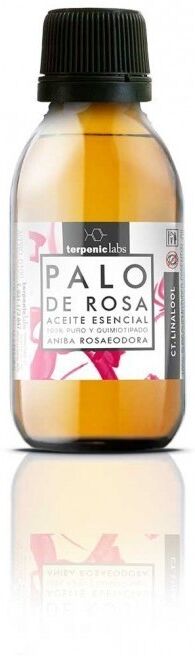
Terpenic Lab Rosewood 30 ml 30 mlNutrition and Supplements Natural Extracts Terpenic Lab Rosewood 30 ml 30 ml Properties: Regenerating tissues Antibacterial Firming Antiseptic Astringent - Indications: Wrinkles, Mature skin, Irritated skin, Stretch marks - Aromatic Family: Floral - Combines with: Cedar, Coriander, Geranium, Vetiver.47,33 £*Shipping: 3,99 £Secure redirect to the provider


-
What is fresh turmeric?
Fresh turmeric is a root that belongs to the ginger family and is known for its vibrant orange color and earthy flavor. It is commonly used in cooking to add color and flavor to dishes, as well as for its potential health benefits. Fresh turmeric can be grated, sliced, or juiced and is often used in curries, soups, smoothies, and teas. **
-
Does turmeric turn brown?
Yes, turmeric can turn brown when exposed to certain conditions. When turmeric is heated for a long time or exposed to high temperatures, it can change color from bright yellow to a darker brown. Additionally, if turmeric is not stored properly or is exposed to air and light for extended periods, it can also turn brown. **
-
What are turmeric capsules?
Turmeric capsules are a dietary supplement that contains the active compound curcumin, which is derived from the turmeric plant. These capsules are often used for their potential anti-inflammatory and antioxidant properties. They are commonly taken as a natural remedy for various health conditions, including arthritis, digestive issues, and skin problems. Turmeric capsules are available in various strengths and are typically taken orally with water. **
-
Which turmeric barley grass?
There are various brands and types of turmeric barley grass available in the market. When choosing one, it's important to consider factors such as the quality of the ingredients, the sourcing of the turmeric and barley grass, and any additional additives or fillers in the product. It's also helpful to read reviews and consider the reputation of the brand. Ultimately, the best turmeric barley grass for you will depend on your individual preferences and dietary needs. **
How is turmeric pronounced?
Turmeric is pronounced as "TER-muh-rik." The emphasis is on the first syllable, and the "u" is pronounced as a short "u" sound. It is important to note that the pronunciation may vary slightly depending on regional accents. **
Where does turmeric come from?
Turmeric comes from the root of the Curcuma longa plant, which is native to Southeast Asia, particularly India and Indonesia. The root is harvested, cleaned, boiled, dried, and then ground into a fine powder, which is the form in which turmeric is commonly used. Turmeric has been used for centuries in traditional medicine and cooking in these regions. **
Top-Angebote
Products related to Terpenic-Lab-Turmeric-30:
-
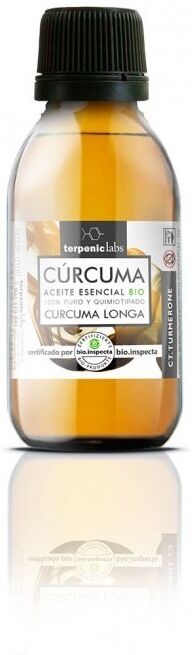
Terpenic Lab Turmeric 30 ml 30 mlNutrition and Supplements Natural Extracts Terpenic Lab Turmeric 30 ml 30 ml Properties: Antibacterial Antiparasitic Antifungal Carminative It is a herbaceous plant of the Zingiberaceae family that can be found from Polynesia to Southeast Asia. Turmeric is a herbaceous perennial plant, which reaches a height of up to 1 meter in height, with highly branched rhizomes, yellow to orange in color, very aromatic. The leaves are arranged in two rows. The hermaphroditic flowers are bright yellow. The capsule shaped fruit opens with three compartments. It was formerly used in India as a dye for wool and as a food spice. The essential oil is obtained by steam distillation of the rhizomes. - Indications: Aerophagia, Intestinal gases, Colitis, Slow digestions - Aromatic Family: Spicy. - Combines with: Star anise, Tea Tree, Linalol Thyme, Fennel, Laurel. - Precautions: Do not use during the first 3 months of pregnancy. Always use diluted.24,40 £*Shipping: 3,99 £Secure redirect to the provider
-
Terpenic Lab Turmeric Essential Oil 10 mlNutrition and Supplements Natural Extracts Terpenic Lab Turmeric Essential Oil 10 ml Properties: Antibacterial, Antiparasitic, Antifungal, Carminative. Indications: Aerophagia, Intestinal gas, Colitis, Slow digestion. Precautions for use: Do not use during the first 3 months of pregnancy. Always use diluted. Oral use only by the therapist. Presentation: 10 ml and 100 ml topaz glass bottle with stopper and case.11,74 £*Shipping: 3,99 £Secure redirect to the provider
-
Terpenic Lab Cumin 30 ml 30 mlNutrition and Supplements Natural Extracts Terpenic Lab Cumin 30 ml 30 ml Properties: Soothing Digestive Carminative Anti-inflammatory Antispasmodic It is an annual herbaceous plant belonging to the Apiaceae family native to the Mediterranean basin. This plant reaches a height of 30 cm, has lanceolate leaves and the flowers are small, white or pink. The so-called seeds are, in reality, the fruits that make up the spice, ovoid or fusiform. Cumin has a characteristic bitter taste and a strong, sweet smell. It is associated with Indian cuisine because it is present in curry. The essential oil is obtained by steam distillation of the fruits. - Indications: Dyspepsia, Aerophagia, Flatulence, Spasmodic Enterocolitis, Insomnia - Aromatic Family: Spicy. - Combines with: Angelica, Coriander, Oregano, Eucalyptus Radiata. - Precautions: Avoid continuous external use.20,61 £*Shipping: 3,99 £Secure redirect to the provider
-
Terpenic Lab Incense 30 ml 30 mlNutrition and Supplements Natural Extracts Terpenic Lab Incense 30 ml 30 ml Properties: Immune Stimulant Antiseptic Expectorant Antidepressant Healing It is a species that belongs to the Burseráceas family, native to Somalia, East Africa, South Arabia and India. It is a tree that reaches a height of 6 m. with deciduous, alternate leaves, with ten pairs of leaflets. The white or pink flowers are small. The fruit is a drupe with three cells and a winged seed in each. It produces the aromatic resin called incense that is extracted by incisions in the trunk. The essential oil is obtained by distillation of gum resin. - Indications: Bronchitis, Asthma, Sinusitis, Ulcers, Dry skin, Immune deficiency, Nervous depression - Aromatic Family: Resin. - Combines with: Basil, Black Pepper, Geranium, Siberian Pine. - Precautions: Do not use during the first 3 months of pregnancy.33,38 £*Shipping: 3,99 £Secure redirect to the provider
-
Can rabbits eat turmeric?
Yes, rabbits can eat turmeric in small amounts as an occasional treat. Turmeric has anti-inflammatory properties and can be beneficial for rabbits in small quantities. However, it is important to introduce new foods slowly to ensure that your rabbit does not have any adverse reactions. Always consult with a veterinarian before making any significant changes to your rabbit's diet. **
-
How is turmeric taken?
Turmeric can be taken in various forms, including as a spice in cooking, as a supplement in capsule or tablet form, or as a liquid extract. It can also be consumed by mixing turmeric powder with warm water or milk to make a soothing drink. Additionally, turmeric can be used topically in skincare products or as a paste for skin conditions. **
-
What is fresh turmeric?
Fresh turmeric is a root that belongs to the ginger family and is known for its vibrant orange color and earthy flavor. It is commonly used in cooking to add color and flavor to dishes, as well as for its potential health benefits. Fresh turmeric can be grated, sliced, or juiced and is often used in curries, soups, smoothies, and teas. **
-
Does turmeric turn brown?
Yes, turmeric can turn brown when exposed to certain conditions. When turmeric is heated for a long time or exposed to high temperatures, it can change color from bright yellow to a darker brown. Additionally, if turmeric is not stored properly or is exposed to air and light for extended periods, it can also turn brown. **
Similar search terms for Terpenic-Lab-Turmeric-30
-
Terpenic Lab Myrrh 30 ml 30 mlNutrition and Supplements Natural Extracts Terpenic Lab Myrrh 30 ml 30 ml Properties: Anti-inflammatory Antiseptic Antioxidant Analgesic Healing - Indications: Acne, Scars, Ulcers, Dermatosis, Gingivitis - Aromatic Family: Resin - Combines with: Benzoin, Galbanum, Patchouli, Sandalwood, Incense - Precautions: Do not use during the first 3 months of pregnancy.41,99 £*Shipping: 3,99 £Secure redirect to the provider
-
Terpenic Lab Rosewood 30 ml 30 mlNutrition and Supplements Natural Extracts Terpenic Lab Rosewood 30 ml 30 ml Properties: Regenerating tissues Antibacterial Firming Antiseptic Astringent - Indications: Wrinkles, Mature skin, Irritated skin, Stretch marks - Aromatic Family: Floral - Combines with: Cedar, Coriander, Geranium, Vetiver.47,33 £*Shipping: 3,99 £Secure redirect to the provider
-
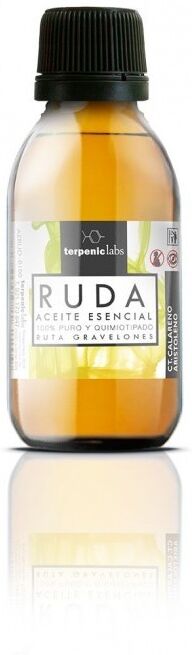
Terpenic Lab Ruda 30 ml 30 mlNutrition and Supplements Natural Extracts Terpenic Lab Ruda 30 ml 30 ml Properties: Antiparasitic Anthelmintic Rubefacient Venotonic Antispasmodic - Indications: Varicose veins, Hemorrhoids, Rheumatism, Psoriasis, Gastrointestinal spasms - Aromatic Family: Herbal - Combines with: Lavender, Roman Chamomile, Ylang Ylang, Tea Tree. - Precautions: Do not use during pregnancy and lactation. Photosensitizer, do not expose the skin to the sun or UV rays after application.32,63 £*Shipping: 3,99 £Secure redirect to the provider
-
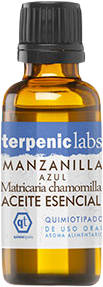
Terpenic Lab Terpenic Aceite Esencial Manzanilla Azul 30 mlNutrition and Supplements Natural Extracts Terpenic Lab Terpenic Aceite Esencial Manzanilla Azul 30 ml Terpenic Essential Oil Blue Chamomile. The active ingredients of this product are based on the properties of the essential oil of Matricaria chamomilla. This helps relieve skin irritation, reducing itching and fighting allergies. It is also a natural decongestant, as well as soothing inflamed areas. Recommended for skin that presents sensitivity, dryness, abuse and conditions such as acne. Format: 30 ml81,15 £*Shipping: 3,99 £Secure redirect to the provider
-
What are turmeric capsules?
Turmeric capsules are a dietary supplement that contains the active compound curcumin, which is derived from the turmeric plant. These capsules are often used for their potential anti-inflammatory and antioxidant properties. They are commonly taken as a natural remedy for various health conditions, including arthritis, digestive issues, and skin problems. Turmeric capsules are available in various strengths and are typically taken orally with water. **
-
Which turmeric barley grass?
There are various brands and types of turmeric barley grass available in the market. When choosing one, it's important to consider factors such as the quality of the ingredients, the sourcing of the turmeric and barley grass, and any additional additives or fillers in the product. It's also helpful to read reviews and consider the reputation of the brand. Ultimately, the best turmeric barley grass for you will depend on your individual preferences and dietary needs. **
-
How is turmeric pronounced?
Turmeric is pronounced as "TER-muh-rik." The emphasis is on the first syllable, and the "u" is pronounced as a short "u" sound. It is important to note that the pronunciation may vary slightly depending on regional accents. **
-
Where does turmeric come from?
Turmeric comes from the root of the Curcuma longa plant, which is native to Southeast Asia, particularly India and Indonesia. The root is harvested, cleaned, boiled, dried, and then ground into a fine powder, which is the form in which turmeric is commonly used. Turmeric has been used for centuries in traditional medicine and cooking in these regions. **
* All prices are inclusive of VAT and, if applicable, plus shipping costs. The offer information is based on the details provided by the respective shop and is updated through automated processes. Real-time updates do not occur, so deviations can occur in individual cases. ** Note: Parts of this content were created by AI.