Buy sublimationtalk.com ?
We are moving the project
sublimationtalk.com .
Are you interested in purchasing the domain
sublimationtalk.com ?
domain@kv-gmbh.de · 0541-91531010
Buy sublimationtalk.com ?
What do you need to consider and do in the basic organic chemistry lab course?
In a basic organic chemistry lab course, students need to consider safety precautions, such as wearing appropriate personal protective equipment and following proper handling and disposal procedures for chemicals. They also need to familiarize themselves with the equipment and techniques used in organic chemistry experiments, such as distillation, extraction, and chromatography. Additionally, students should pay close attention to the instructions and procedures provided in the lab manual, as well as accurately record their observations and data in their lab notebooks. Finally, they should be mindful of the environmental impact of the chemicals and waste generated in the lab and follow sustainable practices. **
Why is organic chemistry called organic chemistry?
Organic chemistry is called so because it was originally believed that compounds found in living organisms could only be produced by living organisms, and were therefore called "organic" compounds. This belief was later disproven, but the name stuck. Organic chemistry is the study of carbon-containing compounds, which are abundant in living organisms, and it focuses on the structure, properties, and reactions of these compounds. **


Similar search terms for Terpenic-Lab-Organic-Benzoin
Top-Angebote
Products related to Terpenic-Lab-Organic-Benzoin:
-
Terpenic Lab Organic Jojoba Vegetable Oil 100 mlHealth and Beauty Creams Terpenic Lab Organic Jojoba Vegetable Oil 100 ml 100% pure Jojoba Vegetable Oil. Ideal for oily and acne-prone skin, it regulates sebum production and is highly nourishing. Directions for Use: Topical use. Apply to the affected area with a gentle massage.11,90 £*Shipping: 3,99 £Secure redirect to the provider
-
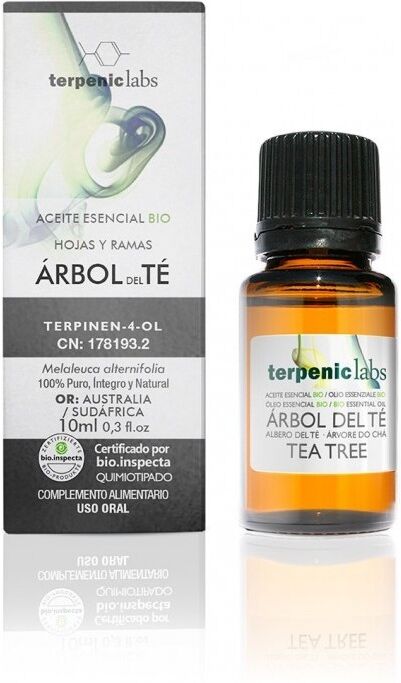
Terpenic Lab Organic Tea Tree 50 ml 50 mlNutrition and Supplements Natural Extracts Terpenic Lab Organic Tea Tree 50 ml 50 ml Properties:Antibacterial Antibiotic AntifungalImmunostimulant AntioxidantThe Tea Tree belongs to the Myrtaceae family. It is a small tree with needle-like leaves and yellow, white or purple flowers. Our knowledge of the properties and uses of the tea tree comes from the extensive tradition collected over thousands of years; it was already used by Australian Aborigines. During the Second World War it was used as a first aid essential oil, effective for a large number of infections, as well as for treating wounds and skin problems. The essential oil is obtained by steam distillation of the leaves. - Indications: Bronchitis, Cough, Flu, Sinusitis, Otitis, Candidiasis, Intestinal parasites, Gingivitis, Athlete's foot - Aromatic Family: Balsamic. - Combines with: Lavender, Clove, Rosemary Cineole, Geranium, Nutmeg. - Precautions: Do not use during the first 3 months of pregnancy.21,80 £*Shipping: 3,99 £Secure redirect to the provider
-
Terpenic Lab Organic Coriander Essential Oil 10 ml 10 mlNutrition and Supplements Natural Extracts Terpenic Lab Organic Coriander Essential Oil 10 ml 10 ml Properties: - Digestive tonic - Antibacterial - Neurotonic - Analgesic. It is an annual herb of the Apiaceae family. Its origins are uncertain, although it is generally considered to be native to North Africa and southern Europe. This plant, which reaches about 40 to 60 cm in height, has erect stems, compound leaves, white flowers and aromatic fruits. It is commonly used in Mediterranean, Indian, Latin American and Chinese cuisine. All parts of the plant are edible, but the fresh leaves and dried seeds are generally used. The essential oil is obtained by steam distillation of the seeds. Indications: Asthenia, Aerophagia, Slow digestion, Rheumatic pain Aromatic Family: Spicy. Combines with: Black pepper, Neroli, Melissa, Citronella. Precautions: Do not use during the first 3 months of pregnancy. Exclusive oral use of the therapist.12,01 £*Shipping: 3,99 £Secure redirect to the provider
-
Terpenic Lab Organic Dill Essential Oil 10 ml 10 mlNutrition and Supplements Natural Extracts Terpenic Lab Organic Dill Essential Oil 10 ml 10 ml Properties: Mucolytic, Decongestant, Eupeptic, Cholagogue. It is an annual herbaceous plant belonging to the Apiaceae family, native to the eastern Mediterranean region. It is aromatic and measures 30 to 45 cm. The stem is green, with abundant white pith, and branches at the tip, where it bears a large number of umbels with bright yellow flowers that appear in midsummer. The leaves are very thin, feather-like, and have a flavor reminiscent of parsley. The fruits are brown, and the seeds are flat, oval, and have a somewhat bitter taste. The essential oil is obtained by steam distillation of the seeds. Indications: Hepatobiliary insufficiency, Dyspepsia, Bronchitis - Aromatic Family: Spicy. - Combines with: Bergamot, Coriander, Rosemary Camphor, Tangerine. Precautions: Do not use during pregnancy, in children under 6 years of age, in the elderly, or in cases of epilepsy. - Professionals only? Always use under professional supervision.7,80 £*Shipping: 3,99 £Secure redirect to the provider



-
What are meditation and mindfulness?
Meditation is a practice that involves focusing the mind on a particular object, thought, or activity to train attention and awareness, and achieve a mentally clear and emotionally calm state. Mindfulness is a type of meditation that involves paying attention to the present moment without judgment. It involves being fully aware of your thoughts, feelings, bodily sensations, and surrounding environment. Both meditation and mindfulness have been shown to have numerous benefits for mental and physical well-being, including reducing stress, improving focus, and enhancing overall quality of life. **
-
What does lab vegetarian mean?
Lab vegetarian refers to individuals who follow a vegetarian diet for health or environmental reasons, rather than ethical concerns for animals. This term is often used to describe individuals who choose to avoid meat and animal products in their diet, but may still consume foods that contain animal-derived ingredients such as dairy or eggs. Lab vegetarians may also be open to consuming lab-grown or cultured meat as an alternative to traditional animal products. **
-
What is a purebred Lab?
A purebred Lab, short for Labrador Retriever, is a dog that comes from a long line of Labradors with documented ancestry. This means that both of the dog's parents are also purebred Labs, and their lineage can be traced back through generations. Purebred Labs typically have specific physical and behavioral traits that are characteristic of the breed, such as a sturdy build, friendly demeanor, and a strong retrieving instinct. Breeders often strive to maintain these traits through careful selection and breeding practices. **
-
What is SCP Secret Lab?
SCP Secret Lab is a multiplayer horror game based on the SCP Foundation universe, where players take on the role of different characters such as scientists, facility guards, or SCP entities. The game is set in a secret underground facility where players must navigate through various rooms and corridors while trying to survive and complete their objectives. It features a mix of strategy, teamwork, and intense moments of suspense as players encounter different SCP entities with unique abilities and behaviors. Overall, SCP Secret Lab offers a thrilling and immersive experience for fans of the SCP Foundation lore. **


Is loving-kindness meditation sufficient instead of mindfulness meditation?
Loving-kindness meditation and mindfulness meditation serve different purposes and can complement each other. While mindfulness meditation focuses on being present and aware of one's thoughts and feelings without judgment, loving-kindness meditation cultivates feelings of compassion and goodwill towards oneself and others. Both practices can be beneficial for overall well-being, and individuals may choose to incorporate both into their meditation routine for a more holistic approach to mental and emotional health. Ultimately, the effectiveness of each practice depends on the individual's specific needs and goals. **
What is the difference between organic and non-organic?
Organic products are grown and produced without the use of synthetic pesticides, fertilizers, or genetically modified organisms. They also do not contain artificial preservatives or additives. Non-organic products, on the other hand, may contain synthetic chemicals and pesticides, and are often produced using genetically modified organisms. Organic farming practices also focus on sustainability and environmental conservation, while non-organic farming may have a greater impact on the environment. **
Top-Angebote
Products related to Terpenic-Lab-Organic-Benzoin:
-
Terpenic Lab Organic Benzoin Essential Oil 30 ml 30 mlHealth and Beauty First aid kit Terpenic Lab Organic Benzoin Essential Oil 30 ml 30 ml Properties: Healing, Antibacterial, Elasticizing. It is a tree of the Styracaceae family, native to the islands of Sumatra, Java and Borneo. It reaches 10 meters in height and its leaves are oval, entire and covered with whitish fluff. The white flowers are grouped. Its fruit is ovoid and contains a seed. When making incisions in the trunk, a resinous liquid exudes which, when dried, is marketed as an aromatic incense called benzoin. By distillation of this resin the essential oil is obtained. Indications: Cracked skin, Urticaria, Dermatitis, Pruritus, Ulcers, Eczema, Psoriasis, Acne Aromatic Family: Resinous Combines with: Juniper, Lemon, Rosa Damascena, Orange Precautions: It can produce allergic reactions in people sensitive to Benjuí.28,24 £*Shipping: 3,99 £Secure redirect to the provider
-
Terpenic Lab Organic Perilla Vegetable Oil 250 mlHealth and Beauty First aid kit Terpenic Lab Organic Perilla Vegetable Oil 250 ml Scent: Characteristic pleasant herbal scent. Texture: Medium penetration liquid for massage. In addition, its unsaponifiable fraction also contains vitamin E and polyphenolic compounds. These fat-soluble vitamins and other chemical substances provide the following properties: restructuring, soothing, softening, and anti-inflammatory. Uses and applications: In cosmetic use: it is recommended for atopic skin, dermatitis, spring allergies, eczema, various skin problems, sinusitis, rhinitis, vitiligo, as an immunomodulator, for respiratory conditions, and as an anti-aging treatment. It is also believed to have mood-enhancing and concentration-boosting properties. Highly recommended in aromatherapy synergies with essential oils. Topical use: Apply with a gentle massage to the area to be treated. Oral use: Highly recommended for oral use as a substitute for flaxseed oil and fish oil. Although suitable for consumption, it is recommended to use it raw; we do not recommend heating it above 316C as this will cause it to lose its beneficial properties.27,98 £*Shipping: 3,99 £Secure redirect to the provider
-
Terpenic Lab Organic Jojoba Vegetable Oil 100 mlHealth and Beauty Creams Terpenic Lab Organic Jojoba Vegetable Oil 100 ml 100% pure Jojoba Vegetable Oil. Ideal for oily and acne-prone skin, it regulates sebum production and is highly nourishing. Directions for Use: Topical use. Apply to the affected area with a gentle massage.11,90 £*Shipping: 3,99 £Secure redirect to the provider
-
Terpenic Lab Organic Tea Tree 50 ml 50 mlNutrition and Supplements Natural Extracts Terpenic Lab Organic Tea Tree 50 ml 50 ml Properties:Antibacterial Antibiotic AntifungalImmunostimulant AntioxidantThe Tea Tree belongs to the Myrtaceae family. It is a small tree with needle-like leaves and yellow, white or purple flowers. Our knowledge of the properties and uses of the tea tree comes from the extensive tradition collected over thousands of years; it was already used by Australian Aborigines. During the Second World War it was used as a first aid essential oil, effective for a large number of infections, as well as for treating wounds and skin problems. The essential oil is obtained by steam distillation of the leaves. - Indications: Bronchitis, Cough, Flu, Sinusitis, Otitis, Candidiasis, Intestinal parasites, Gingivitis, Athlete's foot - Aromatic Family: Balsamic. - Combines with: Lavender, Clove, Rosemary Cineole, Geranium, Nutmeg. - Precautions: Do not use during the first 3 months of pregnancy.21,80 £*Shipping: 3,99 £Secure redirect to the provider
-
What do you need to consider and do in the basic organic chemistry lab course?
In a basic organic chemistry lab course, students need to consider safety precautions, such as wearing appropriate personal protective equipment and following proper handling and disposal procedures for chemicals. They also need to familiarize themselves with the equipment and techniques used in organic chemistry experiments, such as distillation, extraction, and chromatography. Additionally, students should pay close attention to the instructions and procedures provided in the lab manual, as well as accurately record their observations and data in their lab notebooks. Finally, they should be mindful of the environmental impact of the chemicals and waste generated in the lab and follow sustainable practices. **
-
Why is organic chemistry called organic chemistry?
Organic chemistry is called so because it was originally believed that compounds found in living organisms could only be produced by living organisms, and were therefore called "organic" compounds. This belief was later disproven, but the name stuck. Organic chemistry is the study of carbon-containing compounds, which are abundant in living organisms, and it focuses on the structure, properties, and reactions of these compounds. **
-
What are meditation and mindfulness?
Meditation is a practice that involves focusing the mind on a particular object, thought, or activity to train attention and awareness, and achieve a mentally clear and emotionally calm state. Mindfulness is a type of meditation that involves paying attention to the present moment without judgment. It involves being fully aware of your thoughts, feelings, bodily sensations, and surrounding environment. Both meditation and mindfulness have been shown to have numerous benefits for mental and physical well-being, including reducing stress, improving focus, and enhancing overall quality of life. **
-
What does lab vegetarian mean?
Lab vegetarian refers to individuals who follow a vegetarian diet for health or environmental reasons, rather than ethical concerns for animals. This term is often used to describe individuals who choose to avoid meat and animal products in their diet, but may still consume foods that contain animal-derived ingredients such as dairy or eggs. Lab vegetarians may also be open to consuming lab-grown or cultured meat as an alternative to traditional animal products. **
Similar search terms for Terpenic-Lab-Organic-Benzoin
-
Terpenic Lab Organic Coriander Essential Oil 10 ml 10 mlNutrition and Supplements Natural Extracts Terpenic Lab Organic Coriander Essential Oil 10 ml 10 ml Properties: - Digestive tonic - Antibacterial - Neurotonic - Analgesic. It is an annual herb of the Apiaceae family. Its origins are uncertain, although it is generally considered to be native to North Africa and southern Europe. This plant, which reaches about 40 to 60 cm in height, has erect stems, compound leaves, white flowers and aromatic fruits. It is commonly used in Mediterranean, Indian, Latin American and Chinese cuisine. All parts of the plant are edible, but the fresh leaves and dried seeds are generally used. The essential oil is obtained by steam distillation of the seeds. Indications: Asthenia, Aerophagia, Slow digestion, Rheumatic pain Aromatic Family: Spicy. Combines with: Black pepper, Neroli, Melissa, Citronella. Precautions: Do not use during the first 3 months of pregnancy. Exclusive oral use of the therapist.12,01 £*Shipping: 3,99 £Secure redirect to the provider
-
Terpenic Lab Organic Dill Essential Oil 10 ml 10 mlNutrition and Supplements Natural Extracts Terpenic Lab Organic Dill Essential Oil 10 ml 10 ml Properties: Mucolytic, Decongestant, Eupeptic, Cholagogue. It is an annual herbaceous plant belonging to the Apiaceae family, native to the eastern Mediterranean region. It is aromatic and measures 30 to 45 cm. The stem is green, with abundant white pith, and branches at the tip, where it bears a large number of umbels with bright yellow flowers that appear in midsummer. The leaves are very thin, feather-like, and have a flavor reminiscent of parsley. The fruits are brown, and the seeds are flat, oval, and have a somewhat bitter taste. The essential oil is obtained by steam distillation of the seeds. Indications: Hepatobiliary insufficiency, Dyspepsia, Bronchitis - Aromatic Family: Spicy. - Combines with: Bergamot, Coriander, Rosemary Camphor, Tangerine. Precautions: Do not use during pregnancy, in children under 6 years of age, in the elderly, or in cases of epilepsy. - Professionals only? Always use under professional supervision.7,80 £*Shipping: 3,99 £Secure redirect to the provider
-
Terpenic Lab Organic Basil Essential Oil 30 ml 30 mlHealth and Beauty First aid kit Terpenic Lab Organic Basil Essential Oil 30 ml 30 ml Properties: Antispasmodic, Carminative, Calming tonic, Decongestant. It is an annual aromatic herb of the Lamiaceae family native to Iran, India and other tropical regions of Asia. It is low growing (between 30 and 130 cm), with opposite glossy green leaves, oval, toothed and silky in texture. It emits terminal floral spikes, with white flowers. It is frequently used in Mediterranean cuisine. The essential oil is obtained by steam distillation of the leaves and flowers. Indications: Solar erythema, Psoriasis, Aerophagia, Transport sickness, Hepatic colic, Digestive spasms, Pigmentary spots Aromatic Family: Herbal Combines with: Bergamot, Lavender, Geranium, Black pepper, Lemon balm Precautions: Do not use during the first three months of pregnancy or in children under 6 years of age. Always use diluted23,24 £*Shipping: 3,99 £Secure redirect to the provider
-
Terpenic Lab Organic Coriander Essential Oil 30 ml 30 mlNutrition and Supplements Natural Extracts Terpenic Lab Organic Coriander Essential Oil 30 ml 30 ml Properties: Digestive tonic, Antibacterial, Neurotonic, Analgesic. It is an annual herb of the Apiaceae family. Its origins are uncertain, although it is generally considered to be native to North Africa and southern Europe. This plant, which reaches about 40 to 60 cm in height, has erect stems, compound leaves, white flowers and aromatic fruits. It is commonly used in Mediterranean, Indian, Latin American and Chinese cuisine. All parts of the plant are edible, but the fresh leaves and dried seeds are generally used. The essential oil is obtained by steam distillation of the seeds. Indications: Asthenia, Aerophagia, Slow digestion, Rheumatic pain Aromatic Family: Spicy. - Combines with: Black pepper, Neroli, Melissa, Citronella. Precautions: Do not use during the first 3 months of pregnancy29,80 £*Shipping: 3,99 £Secure redirect to the provider
-
What is a purebred Lab?
A purebred Lab, short for Labrador Retriever, is a dog that comes from a long line of Labradors with documented ancestry. This means that both of the dog's parents are also purebred Labs, and their lineage can be traced back through generations. Purebred Labs typically have specific physical and behavioral traits that are characteristic of the breed, such as a sturdy build, friendly demeanor, and a strong retrieving instinct. Breeders often strive to maintain these traits through careful selection and breeding practices. **
-
What is SCP Secret Lab?
SCP Secret Lab is a multiplayer horror game based on the SCP Foundation universe, where players take on the role of different characters such as scientists, facility guards, or SCP entities. The game is set in a secret underground facility where players must navigate through various rooms and corridors while trying to survive and complete their objectives. It features a mix of strategy, teamwork, and intense moments of suspense as players encounter different SCP entities with unique abilities and behaviors. Overall, SCP Secret Lab offers a thrilling and immersive experience for fans of the SCP Foundation lore. **
-
Is loving-kindness meditation sufficient instead of mindfulness meditation?
Loving-kindness meditation and mindfulness meditation serve different purposes and can complement each other. While mindfulness meditation focuses on being present and aware of one's thoughts and feelings without judgment, loving-kindness meditation cultivates feelings of compassion and goodwill towards oneself and others. Both practices can be beneficial for overall well-being, and individuals may choose to incorporate both into their meditation routine for a more holistic approach to mental and emotional health. Ultimately, the effectiveness of each practice depends on the individual's specific needs and goals. **
-
What is the difference between organic and non-organic?
Organic products are grown and produced without the use of synthetic pesticides, fertilizers, or genetically modified organisms. They also do not contain artificial preservatives or additives. Non-organic products, on the other hand, may contain synthetic chemicals and pesticides, and are often produced using genetically modified organisms. Organic farming practices also focus on sustainability and environmental conservation, while non-organic farming may have a greater impact on the environment. **
* All prices are inclusive of VAT and, if applicable, plus shipping costs. The offer information is based on the details provided by the respective shop and is updated through automated processes. Real-time updates do not occur, so deviations can occur in individual cases. ** Note: Parts of this content were created by AI.