Buy sublimationtalk.com ?
We are moving the project
sublimationtalk.com .
Are you interested in purchasing the domain
sublimationtalk.com ?
domain@kv-gmbh.de · 0541-91531010
Buy sublimationtalk.com ?
What does "j'ai pas" or "je ne sais pas" mean?
"J'ai pas" is a colloquial way of saying "I don't have" in French, where the word "pas" replaces the word "de." On the other hand, "je ne sais pas" means "I don't know." Both phrases are commonly used in everyday conversations in French-speaking countries. **
What is the difference between c'est pas and ce n'est pas?
The difference between "c'est pas" and "ce n'est pas" lies in their formality. "C'est pas" is a colloquial and informal way of saying "it's not" in French, while "ce n'est pas" is the formal and standard way of expressing the same idea. "C'est pas" is commonly used in spoken language and informal writing, while "ce n'est pas" is more appropriate for formal writing and polite speech. **

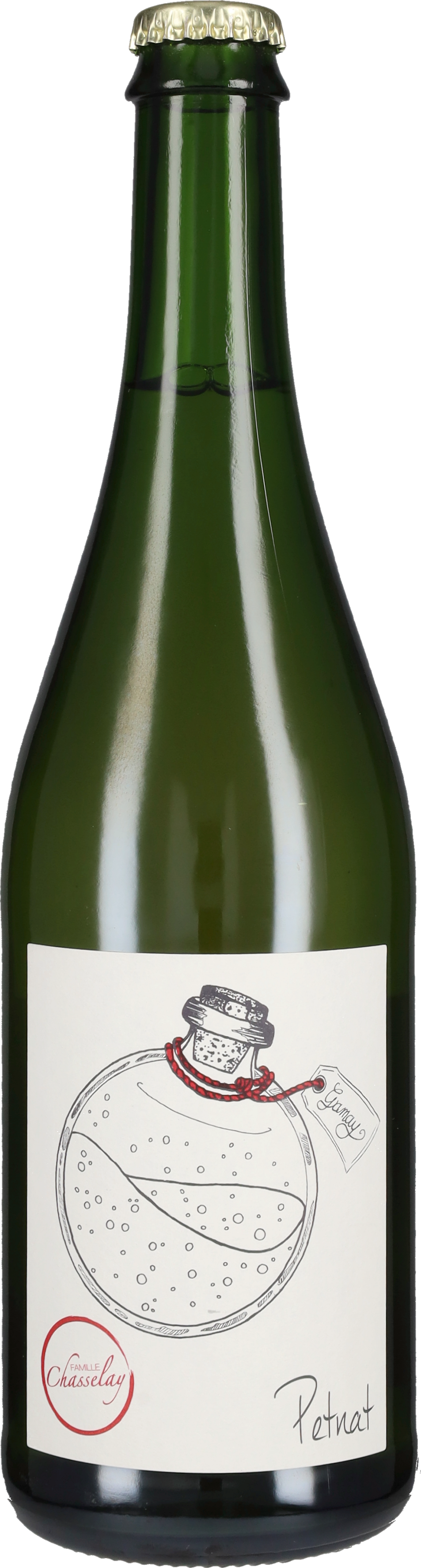
Similar search terms for Pourquoi-Pas-Domaine-Chasselay
Top-Angebote
Products related to Pourquoi-Pas-Domaine-Chasselay:
-
Morgon 'Corcelette' Domaine Chasselay 2021The Morgon 'Corcelette' from the Burgundian organic winery Domaine Chasselay is a Beaujolais that is soft, fine and structured, an authentic expression of the prized Morgon terroir. Among the 10 crus of Beaujolais, Morgon is considered one of the most prestigious, thanks in part to the more important structure and great longevity of the wines produced here. It is one of the largest sub-zones of Beaujolais, located on the eastern slope of the famous Py hill on soil composed of a combination of schist, granite and volcanic rock. Within the Morgon cru, there are six lieu-dits, including 'Corcelette'.Domaine Chasselay Morgon 'Corcelette' originates from pure Gamay grapes grown in the 'Corcelette' lieu-dit on alluvial soils rich in gravel and small pebbles. In particular, the grapes come from vines with an average age of 70 years, grown organically in the higher areas of the appellation, which are characterised by a cooler climate. The hand-picked bunches are 80% destemmed and then vinified in red with spontaneous alcoholic fermentation at a controlled temperature in contact with the skins for 15 days. This is followed by a maturation phase lasting at least 6 months in oak barrels on fine lees, and the wine is finally bottled without prior clarification or filtration.In the glass, the Morgon 'Corcelette' from Domaine Chasselay displays an intense ruby red colour. It has a fascinating bouquet, defined by aromas of raspberry and blackcurrant combined with floral notes of peony and dried lilac, as well as spicy and mineral tones of white pepper and flint. The palate reveals great finesse and elegance, with warmth perfectly balanced by soft tannins and freshness that contributes to its lively flavour.26,00 £*Shipping: 48,00 £Secure redirect to the provider
-
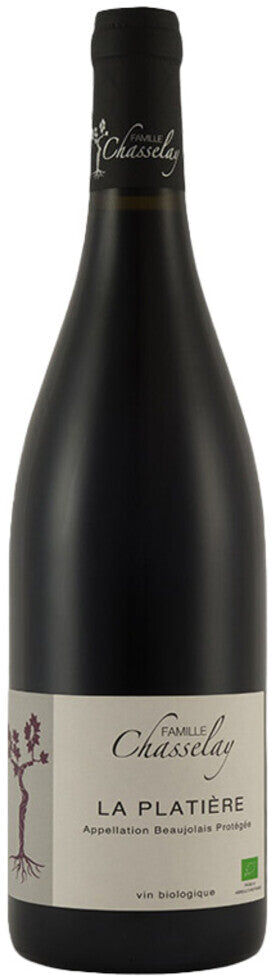
Beaujolais 'La Platiere' Domaine Chasselay 2024Beaujolais 'La Platiere' is a pure Gamay with a light and caressing taste, produced by Domaine Chasselay using sustainable agricultural and winemaking practices. The grapes used to make this wine come from the lieu-dit of 'La Platière', a term that refers to flat land at the foot of a hill. Like the entire vineyard area of the Domaine, this plot is also certified organic, reflecting the estate's great attention to the health of the environment. Furthermore, sulphites are not used during the entire winemaking process and are only added during bottling if necessary.Domaine Chasselay Beaujolais 'La Platiere' is produced exclusively from Gamay grapes grown in accordance with certified organic farming principles on clay-limestone soils. The vines have an average age of 55 years and, due to their advanced age and high planting density, naturally produce very low yields. After harvesting, 80% of the whole bunches are pressed in stainless steel tanks where spontaneous alcoholic fermentation takes place at a controlled temperature and in contact with the skins. The subsequent ageing phase takes place in oak barrels on fine lees for 12 months, and the wine is finally bottled without undergoing any clarification or filtration.The colour of Domaine Chasselay's Beaujolais 'La Platiere' is ruby red with violet reflections. The nose reveals intense fruity aromas of blackberry, raspberry and pomegranate, supported by earthy hints and spicy notes of vanilla and cinnamon. The palate is silky and enveloping, with soft tannins, good freshness and a fragrant finish. Like most Beaujolais wines, this Gamay is best served chilled, perhaps paired with a selection of cheeses.15,00 £*Shipping: 48,00 £Secure redirect to the provider
-
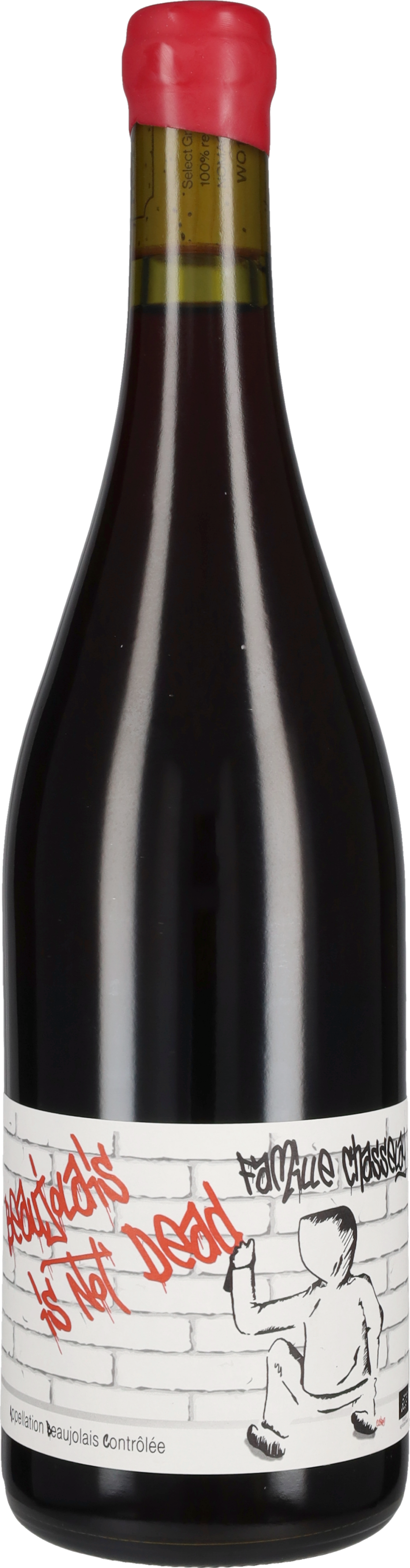
Beaujolais 'Is Not Dead' Domaine Chasselay 2023Domaine Chasselay's Beaujolais 'Is Not Dead' is a crisp and graceful red wine, remarkable in its simplicity. This label was launched with the 2016 vintage, following the idea of creating a delicious and accessible Gamay that would demonstrate that the true wine culture of Beaujolais is not dead. In fact, through its traditional artisan philosophy, Domaine Chasselay wants to highlight the lively vitality of Beaujolais, a unique and still somewhat underrated region that is certainly destined to grow.Domaine Chasselay Beaujolais 'Is Not Dead' is a pure Gamay grown in the lieu-dit of 'Les Grandes Terres', where the soils are mainly clay and limestone and the vines have an average age of 45 years. The vineyard is managed according to the principles of certified organic agriculture and once the grapes have reached the ideal stage of ripeness, they are harvested by hand, followed by red vinification of whole bunches with carbonic maceration and spontaneous alcoholic fermentation in temperature-controlled concrete tanks. Once the fermentation process is complete, the mass is left to mature for a short period, again in cement, and is finally bottled in January or February following the harvest without undergoing any clarification, only a light filtration.On the eye, the Beaujolais 'Is Not Dead' from Burgundy's Domaine Chasselay displays a purple-red colour with ruby hues. The bouquet evokes immediate and pleasant aromas of blackberry, violet, wild strawberry and orange peel, combined with a characteristic mineral note reminiscent of graphite. The palate is direct, smooth and fruity, characterised by a juicy freshness and gentle tannins.14,00 £*Shipping: 48,00 £Secure redirect to the provider
-
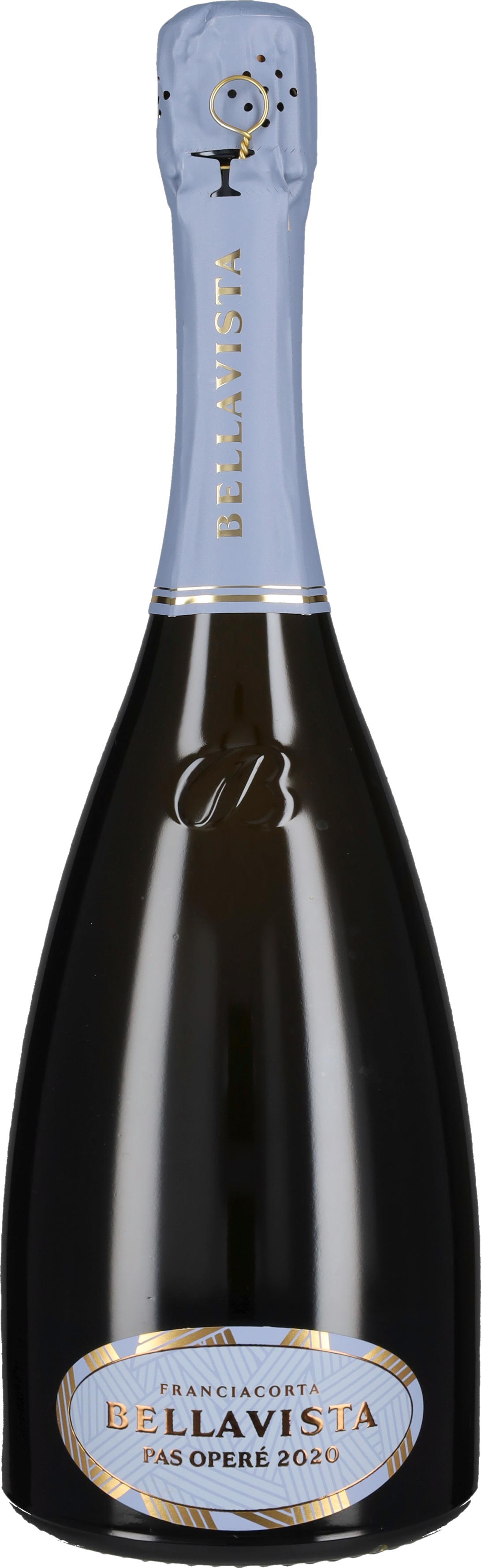
Franciacorta Pas Operé Bellavista 2020Franciacorta Grand Cuvée Pas Operé born from the experience and meticulous company Bellavista, a monument of sparkling wines in Italy. The Chardonnay and Pinot Noir grapes, carefully selected, coming from vines over 20 years, grown high in the hills of Franciacorta. The result is an elegant sparkling wine with a fruity taste, soft and enveloping, with a fine-grained persistent perlage. A sparkling wine that embodies all the passion that this historic winery owns the land on which it is established for years, since 1977, when Vittorio Moretti founded Bellavista, with the idea of creating a unique winery that was a great representation of Franciacorta. Since then Bellavista has gained ground in the Franciacorta's history, until reach a point of reference for the sparkling wines of this area. The impeccable quality of its wines and soundness of the company have grown and matured over the years, mostly thanks to Vittorio Moretti and winemaker-director Mattia Vezzola, who has led the winery to unthinkable levels of quality. Even this Franciacorta Pas Operé is a small jewel of Bellavista: a sparkling intense and exuberant, embracing in its hints of vanilla and fruits.48,00 £*Shipping: 48,00 £Secure redirect to the provider

-
Which TV channels can be received at Domaine Long Pré?
At Domaine Long Pré, guests can receive a variety of TV channels, including popular international channels such as CNN, BBC, and Eurosport. Additionally, there are channels available in different languages, catering to the diverse needs of the guests. The wide selection of TV channels ensures that guests can stay updated with news, sports, and entertainment during their stay at Domaine Long Pré. **
-
Does it say Je n'aime pas le chocolat or Je n'aime pas de chocolat?
The correct phrase is "Je n'aime pas le chocolat." This means "I don't like chocolate." The use of "le" indicates a specific, definite object, in this case, "the chocolate." Using "de" in this context would not be grammatically correct. **
-
When do you use ne pas in French negation and when do you use ne pas de?
In French, "ne pas" is used to form negation when the verb is directly negated, for example, "Je ne parle pas" (I do not speak). On the other hand, "ne pas de" is used when the negation involves a quantity or a partitive article, for example, "Je n'ai pas de pain" (I do not have any bread). So, "ne pas" is used for general negation of verbs, while "ne pas de" is used for negating the existence of a quantity or a partitive article. **
-
What are meditation and mindfulness?
Meditation is a practice that involves focusing the mind on a particular object, thought, or activity to train attention and awareness, and achieve a mentally clear and emotionally calm state. Mindfulness is a type of meditation that involves paying attention to the present moment without judgment. It involves being fully aware of your thoughts, feelings, bodily sensations, and surrounding environment. Both meditation and mindfulness have been shown to have numerous benefits for mental and physical well-being, including reducing stress, improving focus, and enhancing overall quality of life. **

Is loving-kindness meditation sufficient instead of mindfulness meditation?
Loving-kindness meditation and mindfulness meditation serve different purposes and can complement each other. While mindfulness meditation focuses on being present and aware of one's thoughts and feelings without judgment, loving-kindness meditation cultivates feelings of compassion and goodwill towards oneself and others. Both practices can be beneficial for overall well-being, and individuals may choose to incorporate both into their meditation routine for a more holistic approach to mental and emotional health. Ultimately, the effectiveness of each practice depends on the individual's specific needs and goals. **
What were your most embarrassing fashion faux pas?
One of my most embarrassing fashion faux pas was when I wore a pair of pants that had a huge rip in the back without realizing it. I only found out when a friend pointed it out to me in public. Another time, I wore a shirt inside out all day without noticing. Both instances were quite embarrassing, but looking back, they make for funny stories. **
Top-Angebote
Products related to Pourquoi-Pas-Domaine-Chasselay:
-
'Pourquoi Pas' Domaine Chasselay 2024Domaine Chasselay 'Pourquoi Pas' is a Beaujolais wine that plays on liveliness and smoothness, designed as an everyday wine. In keeping with the tradition of the region, 'Pourquoi Pas' is produced through carbonic maceration of Gamay grapes, a practice that consists of crushing whole bunches in an environment saturated with carbon dioxide in order to promote intracellular fermentation in the berries. This particular process, used for example in the production of new wines, enhances the fruity and floral aromas of the wine while giving it a softer and juicier body. The French expression 'pourquoi pas' means 'why not', a reference to the sign at the entrance to the estate. This bottle is also marketed in a series of three different labels.Domaine Chasselay's 'Pourquoi Pas' is a 100% Gamay grown in the 'Rouvière' lieu-dit in accordance with certified organic farming principles. Here, the vines have an average age of 60 years and grow on clay-limestone soils. After manual harvesting, the grapes are transferred to the cellar and vinified whole through 6 days of cold carbonic maceration and 10 days of spontaneous alcoholic fermentation. The maturation period is rather short and bottling usually takes place around February.The Gamay 'Pourquoi Pas' from Domaine Chasselay is purple-red in colour with ruby hues. Vivid and pleasant hints of blueberry, raspberry, cherry, wild strawberry and lavender emerge on the nose, while on the palate the wine is fresh, subtle and easy to drink, with remarkable liveliness and a juicy, fragrant finish that invites further tasting.18,00 £*Shipping: 48,00 £Secure redirect to the provider
-
Morgon 'Corcelette' Domaine Chasselay 2021The Morgon 'Corcelette' from the Burgundian organic winery Domaine Chasselay is a Beaujolais that is soft, fine and structured, an authentic expression of the prized Morgon terroir. Among the 10 crus of Beaujolais, Morgon is considered one of the most prestigious, thanks in part to the more important structure and great longevity of the wines produced here. It is one of the largest sub-zones of Beaujolais, located on the eastern slope of the famous Py hill on soil composed of a combination of schist, granite and volcanic rock. Within the Morgon cru, there are six lieu-dits, including 'Corcelette'.Domaine Chasselay Morgon 'Corcelette' originates from pure Gamay grapes grown in the 'Corcelette' lieu-dit on alluvial soils rich in gravel and small pebbles. In particular, the grapes come from vines with an average age of 70 years, grown organically in the higher areas of the appellation, which are characterised by a cooler climate. The hand-picked bunches are 80% destemmed and then vinified in red with spontaneous alcoholic fermentation at a controlled temperature in contact with the skins for 15 days. This is followed by a maturation phase lasting at least 6 months in oak barrels on fine lees, and the wine is finally bottled without prior clarification or filtration.In the glass, the Morgon 'Corcelette' from Domaine Chasselay displays an intense ruby red colour. It has a fascinating bouquet, defined by aromas of raspberry and blackcurrant combined with floral notes of peony and dried lilac, as well as spicy and mineral tones of white pepper and flint. The palate reveals great finesse and elegance, with warmth perfectly balanced by soft tannins and freshness that contributes to its lively flavour.26,00 £*Shipping: 48,00 £Secure redirect to the provider
-
Beaujolais 'La Platiere' Domaine Chasselay 2024Beaujolais 'La Platiere' is a pure Gamay with a light and caressing taste, produced by Domaine Chasselay using sustainable agricultural and winemaking practices. The grapes used to make this wine come from the lieu-dit of 'La Platière', a term that refers to flat land at the foot of a hill. Like the entire vineyard area of the Domaine, this plot is also certified organic, reflecting the estate's great attention to the health of the environment. Furthermore, sulphites are not used during the entire winemaking process and are only added during bottling if necessary.Domaine Chasselay Beaujolais 'La Platiere' is produced exclusively from Gamay grapes grown in accordance with certified organic farming principles on clay-limestone soils. The vines have an average age of 55 years and, due to their advanced age and high planting density, naturally produce very low yields. After harvesting, 80% of the whole bunches are pressed in stainless steel tanks where spontaneous alcoholic fermentation takes place at a controlled temperature and in contact with the skins. The subsequent ageing phase takes place in oak barrels on fine lees for 12 months, and the wine is finally bottled without undergoing any clarification or filtration.The colour of Domaine Chasselay's Beaujolais 'La Platiere' is ruby red with violet reflections. The nose reveals intense fruity aromas of blackberry, raspberry and pomegranate, supported by earthy hints and spicy notes of vanilla and cinnamon. The palate is silky and enveloping, with soft tannins, good freshness and a fragrant finish. Like most Beaujolais wines, this Gamay is best served chilled, perhaps paired with a selection of cheeses.15,00 £*Shipping: 48,00 £Secure redirect to the provider
-
What does "j'ai pas" or "je ne sais pas" mean?
"J'ai pas" is a colloquial way of saying "I don't have" in French, where the word "pas" replaces the word "de." On the other hand, "je ne sais pas" means "I don't know." Both phrases are commonly used in everyday conversations in French-speaking countries. **
-
What is the difference between c'est pas and ce n'est pas?
The difference between "c'est pas" and "ce n'est pas" lies in their formality. "C'est pas" is a colloquial and informal way of saying "it's not" in French, while "ce n'est pas" is the formal and standard way of expressing the same idea. "C'est pas" is commonly used in spoken language and informal writing, while "ce n'est pas" is more appropriate for formal writing and polite speech. **
-
Which TV channels can be received at Domaine Long Pré?
At Domaine Long Pré, guests can receive a variety of TV channels, including popular international channels such as CNN, BBC, and Eurosport. Additionally, there are channels available in different languages, catering to the diverse needs of the guests. The wide selection of TV channels ensures that guests can stay updated with news, sports, and entertainment during their stay at Domaine Long Pré. **
-
Does it say Je n'aime pas le chocolat or Je n'aime pas de chocolat?
The correct phrase is "Je n'aime pas le chocolat." This means "I don't like chocolate." The use of "le" indicates a specific, definite object, in this case, "the chocolate." Using "de" in this context would not be grammatically correct. **
Similar search terms for Pourquoi-Pas-Domaine-Chasselay
-
Beaujolais 'Is Not Dead' Domaine Chasselay 2023Domaine Chasselay's Beaujolais 'Is Not Dead' is a crisp and graceful red wine, remarkable in its simplicity. This label was launched with the 2016 vintage, following the idea of creating a delicious and accessible Gamay that would demonstrate that the true wine culture of Beaujolais is not dead. In fact, through its traditional artisan philosophy, Domaine Chasselay wants to highlight the lively vitality of Beaujolais, a unique and still somewhat underrated region that is certainly destined to grow.Domaine Chasselay Beaujolais 'Is Not Dead' is a pure Gamay grown in the lieu-dit of 'Les Grandes Terres', where the soils are mainly clay and limestone and the vines have an average age of 45 years. The vineyard is managed according to the principles of certified organic agriculture and once the grapes have reached the ideal stage of ripeness, they are harvested by hand, followed by red vinification of whole bunches with carbonic maceration and spontaneous alcoholic fermentation in temperature-controlled concrete tanks. Once the fermentation process is complete, the mass is left to mature for a short period, again in cement, and is finally bottled in January or February following the harvest without undergoing any clarification, only a light filtration.On the eye, the Beaujolais 'Is Not Dead' from Burgundy's Domaine Chasselay displays a purple-red colour with ruby hues. The bouquet evokes immediate and pleasant aromas of blackberry, violet, wild strawberry and orange peel, combined with a characteristic mineral note reminiscent of graphite. The palate is direct, smooth and fruity, characterised by a juicy freshness and gentle tannins.14,00 £*Shipping: 48,00 £Secure redirect to the provider
-
Franciacorta Pas Operé Bellavista 2020Franciacorta Grand Cuvée Pas Operé born from the experience and meticulous company Bellavista, a monument of sparkling wines in Italy. The Chardonnay and Pinot Noir grapes, carefully selected, coming from vines over 20 years, grown high in the hills of Franciacorta. The result is an elegant sparkling wine with a fruity taste, soft and enveloping, with a fine-grained persistent perlage. A sparkling wine that embodies all the passion that this historic winery owns the land on which it is established for years, since 1977, when Vittorio Moretti founded Bellavista, with the idea of creating a unique winery that was a great representation of Franciacorta. Since then Bellavista has gained ground in the Franciacorta's history, until reach a point of reference for the sparkling wines of this area. The impeccable quality of its wines and soundness of the company have grown and matured over the years, mostly thanks to Vittorio Moretti and winemaker-director Mattia Vezzola, who has led the winery to unthinkable levels of quality. Even this Franciacorta Pas Operé is a small jewel of Bellavista: a sparkling intense and exuberant, embracing in its hints of vanilla and fruits.48,00 £*Shipping: 48,00 £Secure redirect to the provider
-
Domaine Rostaing Cote Rotie 'Ampodium' Domaine Rostaig 2023Il Côte Rôtie 'Ampodium' di Domaine Rostaing è prodotto in Francia nella Côte Rôtie nella bellissima Valle del Rodano, considerata una delle zone più vocate e interessanti per la produzione di vini di qualità in Francia. Questa terra è coltivata dalla famiglia Rostaing da più di 40 anni: René Rostaing ha imparato i metodi tradizionali di vinificazione grazie ai suoi studi all’estero e agli insegnamenti sul campo dello zio Marius Gentaz prima e del suocero Albert Dervieux poi, creandosi, così, una sua idea su come produrre vino dalla qualità indiscussa. Oggi l’attività può contare su circa 10 ettari di terreno interamente coltivati a vite che sono nelle mani del figlio di René, Pierre, che si adopera per conservare la tradizione di famiglia, rendendola futuribile.I vigneti del Côte Rôtie 'Ampodium' di Domaine Rostaing sono posti a un’altezza che si aggira tra i 200 e i 300 metri sul livello del mare; il clima in questa zona è caratterizzato dall’influenza del Mar Mediterraneo che regala estati soleggiate con temperature mai troppo elevate e inverni miti. Il suolo è caratterizzato da depositi calcarei e arenarie marina, dovute al ritiro delle acque marine. La coltivazione può essere definita eroica, dal momento che le vigne sono poste su terrazzamenti impervi e muretti a secco che rendono difficile intervenire con macchinari per gestire la crescita delle piante. Ultimata la vendemmia rigorosamente manuale, le uve in cantina subiscono la fermentazione alcolica e malolattica grazie all’azione dei lieviti indigeni. Affina 12 mesi in botti di rovere e non avvengono filtrazioni o chiarificazioni all’imbottigliamento.Il colore del Côte Rôtie 'Ampodium' di Domaine Rostaing è un rosso intenso con riflessi tendenti al violaceo. Al naso si distinguono aromi di sottobosco, di frutta e note speziate di tè nero, pepe e cuoio; al palato si rivela elegante e raffinato con tannini ben integrati alla beva che risulta piacevole. In abbinamento è consigliato con tipici tagli di carne della tradizione francese, selvaggina e primi piatti a base di sughi importanti; ottimo anche con piatti vegetariani. Vino che accompagna eccellentemente la tavola delle feste in famiglia, ma anche serate romantiche davanti al camino in compagnia di letture stimolanti.100,00 £*Shipping: 48,00 £Secure redirect to the provider
-
When do you use ne pas in French negation and when do you use ne pas de?
In French, "ne pas" is used to form negation when the verb is directly negated, for example, "Je ne parle pas" (I do not speak). On the other hand, "ne pas de" is used when the negation involves a quantity or a partitive article, for example, "Je n'ai pas de pain" (I do not have any bread). So, "ne pas" is used for general negation of verbs, while "ne pas de" is used for negating the existence of a quantity or a partitive article. **
-
What are meditation and mindfulness?
Meditation is a practice that involves focusing the mind on a particular object, thought, or activity to train attention and awareness, and achieve a mentally clear and emotionally calm state. Mindfulness is a type of meditation that involves paying attention to the present moment without judgment. It involves being fully aware of your thoughts, feelings, bodily sensations, and surrounding environment. Both meditation and mindfulness have been shown to have numerous benefits for mental and physical well-being, including reducing stress, improving focus, and enhancing overall quality of life. **
-
Is loving-kindness meditation sufficient instead of mindfulness meditation?
Loving-kindness meditation and mindfulness meditation serve different purposes and can complement each other. While mindfulness meditation focuses on being present and aware of one's thoughts and feelings without judgment, loving-kindness meditation cultivates feelings of compassion and goodwill towards oneself and others. Both practices can be beneficial for overall well-being, and individuals may choose to incorporate both into their meditation routine for a more holistic approach to mental and emotional health. Ultimately, the effectiveness of each practice depends on the individual's specific needs and goals. **
-
What were your most embarrassing fashion faux pas?
One of my most embarrassing fashion faux pas was when I wore a pair of pants that had a huge rip in the back without realizing it. I only found out when a friend pointed it out to me in public. Another time, I wore a shirt inside out all day without noticing. Both instances were quite embarrassing, but looking back, they make for funny stories. **
* All prices are inclusive of VAT and, if applicable, plus shipping costs. The offer information is based on the details provided by the respective shop and is updated through automated processes. Real-time updates do not occur, so deviations can occur in individual cases. ** Note: Parts of this content were created by AI.