Buy sublimationtalk.com ?
We are moving the project
sublimationtalk.com .
Are you interested in purchasing the domain
sublimationtalk.com ?
domain@kv-gmbh.de · 0541-91531010
Buy sublimationtalk.com ?
Is organic vegetable organic seed, open-pollinated seed, or F1 hybrid seed used?
Organic vegetables are typically grown from organic seeds, which can be either open-pollinated or hybrid seeds. Open-pollinated seeds are non-hybrid seeds that are pollinated by natural means such as wind, insects, or birds, and can be saved and replanted to produce similar plants in subsequent generations. On the other hand, F1 hybrid seeds are the result of cross-breeding two different parent plants to create a new variety with specific traits, and they do not produce true-to-type offspring when saved and replanted. In organic farming, the use of open-pollinated seeds is preferred to maintain genetic diversity and sustainability. **
Is organic seed, open-pollinated seeds, or F1 hybrid seeds used in organic vegetables?
Organic vegetables are typically grown using organic seeds, which are produced without synthetic pesticides or fertilizers. Open-pollinated seeds are commonly used in organic farming as they allow for natural pollination and seed saving. F1 hybrid seeds, on the other hand, are not as commonly used in organic vegetable production due to concerns about genetic modification and the reliance on specific breeding techniques. Overall, organic vegetables are often grown using organic and open-pollinated seeds to maintain the principles of organic farming. **

Similar search terms for Open-pollinated
Top-Angebote
Products related to Open-pollinated:
-
Yellow Kite 10% Happier by Dan Harris 2 Books Collection Set - Paperback - 10% Happier & Meditation for Fidgety Skeptics - Adult Mindfulness & MeditationDiscover a more mindful you with the 10% Happier 2 Books Collection Set by Dan Harris. This set includes his landmark memoir, 10% Happier, and its hands-on companion guide, Meditation for Fidgety Skeptics. Written in a warm, funny, and grounded style, these books turn the real benefits of meditation into small, sustainable habits you can actually keep. Perfect for busy, restless, and skeptical minds, this set is ideal for beginners, lapsed meditators, and anyone curious about a calmer, less reactive way to live. The books are published by Yellow Kite and Hodder, and are available in paperback format. The ISBN numbers for the books are 9781529329032 and 9781473691391, respectively. The age range for this product is adult.13,99 £*Shipping: 2,99 £Secure redirect to the provider
-
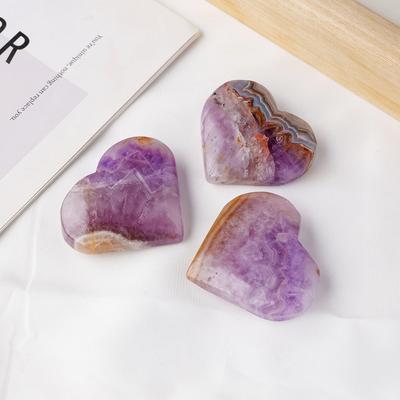
Lush Living Finds Reiki Healing Love Spiritual Meditation Feng Shui Druzy Home Ornament Reiki Healing Love Spiritual Meditation Feng Shui Druzy Home OrnamentEnhance Your Space with Healing Energy Transform your home into a peaceful sanctuary 1 pcs with the Love Spiritual Meditation Feng Shui Druzy Home Ornament. Crafted to bring serenity and healing energy, this ornament acts as a beautiful focal point...49,97 $*Shipping: 0,00 $Secure redirect to the provider
-
KitchenCuration Healing Quartz Crystal Water Bottle For Wellness & Energy Balance FluoriteRefresh your daily routine with a beautifully designed crystal water bottle that combines mindful living with elegant style. Crafted for wellness enthusiasts, yoga lovers, and anyone seeking a calming hydration experience, this bottle features a...49,97 $*Shipping: 0,00 $Secure redirect to the provider



-
Do potato plants need to be pollinated?
No, potato plants do not need to be pollinated in order to produce the tubers that we eat. Potatoes are typically grown from seed potatoes, which are small pieces of potato tubers that contain the necessary genetic material to grow a new plant. These seed potatoes are planted in the ground and the new plant grows from the eyes of the seed potato, eventually producing more tubers. Therefore, pollination is not necessary for potato plants to produce the edible tubers. **
-
Can vegetable plants be pollinated by themselves?
Yes, some vegetable plants are capable of self-pollination. This means that they can produce fruit and seeds without the need for pollen from another plant. However, some vegetable plants, such like cucumbers and squash, benefit from cross-pollination, where pollen from one plant fertilizes the flowers of another plant. In general, self-pollination and cross-pollination can both occur in vegetable plants, depending on the specific species and variety. **
-
How can tomatoes and peppers be artificially pollinated?
Tomatoes and peppers can be artificially pollinated by gently shaking the flowers to release the pollen onto the stigma. Another method is to use a small brush or cotton swab to transfer pollen from the stamen to the stigma. This can be done by collecting pollen from a mature flower and applying it to the stigma of another flower. Additionally, using a small fan to create air movement can help disperse the pollen and facilitate pollination. **
-
How can tomatoes and bell peppers be artificially pollinated?
Tomatoes and bell peppers can be artificially pollinated by using a small brush or cotton swab to transfer pollen from the male part of the flower (anther) to the female part (stigma). This can be done by gently brushing the inside of the flower to ensure that the pollen is transferred effectively. Another method is to shake the flower gently to release the pollen onto the stigma. By manually transferring the pollen, growers can ensure successful pollination and increase the chances of fruit development. **


Are fruits vegan if they are pollinated by animals?
Yes, fruits are still considered vegan even if they are pollinated by animals. Veganism is a lifestyle that seeks to avoid exploiting or harming animals as much as possible, and pollination is a natural process that occurs without harm to the animals involved. Additionally, fruits are a product of the plant itself and do not involve the intentional use or exploitation of animals for human consumption. **
What are meditation and mindfulness?
Meditation is a practice that involves focusing the mind on a particular object, thought, or activity to train attention and awareness, and achieve a mentally clear and emotionally calm state. Mindfulness is a type of meditation that involves paying attention to the present moment without judgment. It involves being fully aware of your thoughts, feelings, bodily sensations, and surrounding environment. Both meditation and mindfulness have been shown to have numerous benefits for mental and physical well-being, including reducing stress, improving focus, and enhancing overall quality of life. **
Top-Angebote
Products related to Open-pollinated:
-
Art of Mindfulness for Beginners: Art Therapy & Nature - Paperback Self-Help Book by B Jain Publishing - Mindfulness & Art Therapy for AdultsDiscover a gentle and accessible guide to mindfulness through art therapy and nature. This beginner-friendly paperback is designed for those looking to slow down and reconnect with the present moment through creative expression. Blending simple art-making exercises with the calming influence of the natural world, it provides practical tools for reducing stress. No artistic experience is required, just an open mind and a willingness to explore mindfulness through colour, texture, and the rhythms of nature. This book sits at the crossroads of art therapy and nature-based mindfulness, two disciplines that can help ease everyday anxiety and mental fatigue. Rather than focusing on technical drawing or painting skill, the book centres on process over product, guiding readers through a series of exercises that promote mindfulness and self-discovery. Published by B Jain Publishing, this paperback is a great resource for anyone looking to cultivate a greater sense of calm and well-being in their daily lives.3,49 £*Shipping: 2,99 £Secure redirect to the provider
-
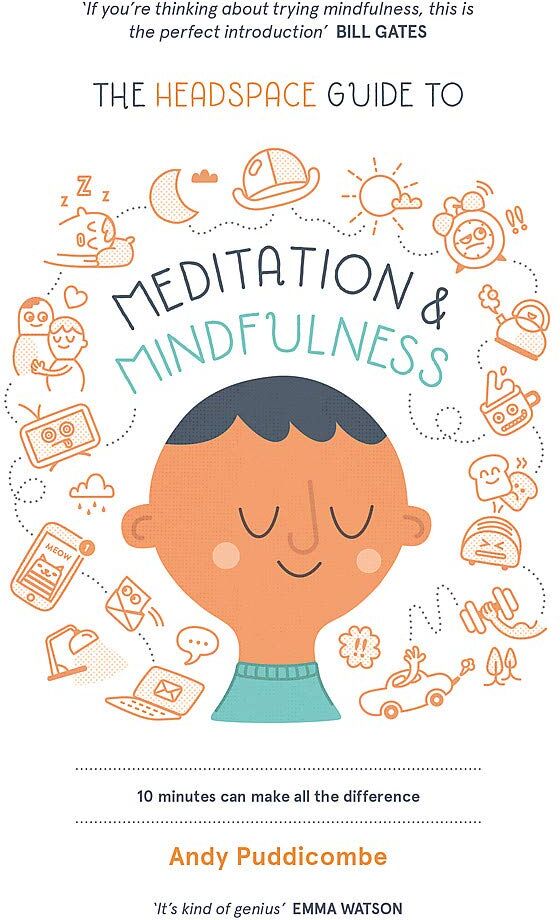
Coronet The Headspace Guide to Mindfulness & Meditation by Andy Puddicombe - Paperback - 10 Minute Daily Meditation for AdultsDiscover the accessible world of mindfulness and meditation with The Headspace Guide to Mindfulness and Meditation by Andy Puddicombe. This practical guide, written in a warm and jargon-free voice, offers a science-friendly framework for complete beginners and lapsed meditators alike. Andy Puddicombe, a former Buddhist monk, distills a decade of monastic training into ten-minute daily practices that can help restore calm, clarity, and focus. By committing to just ten minutes a day, you can meaningfully change how you read and live your life. This paperback reissue of Get Some Headspace provides a clear and accessible route into modern meditation, making it easy to incorporate mindfulness into your busy schedule.2,99 £*Shipping: 2,99 £Secure redirect to the provider
-
Yellow Kite 10% Happier by Dan Harris 2 Books Collection Set - Paperback - 10% Happier & Meditation for Fidgety Skeptics - Adult Mindfulness & MeditationDiscover a more mindful you with the 10% Happier 2 Books Collection Set by Dan Harris. This set includes his landmark memoir, 10% Happier, and its hands-on companion guide, Meditation for Fidgety Skeptics. Written in a warm, funny, and grounded style, these books turn the real benefits of meditation into small, sustainable habits you can actually keep. Perfect for busy, restless, and skeptical minds, this set is ideal for beginners, lapsed meditators, and anyone curious about a calmer, less reactive way to live. The books are published by Yellow Kite and Hodder, and are available in paperback format. The ISBN numbers for the books are 9781529329032 and 9781473691391, respectively. The age range for this product is adult.13,99 £*Shipping: 2,99 £Secure redirect to the provider
-
Lush Living Finds Reiki Healing Love Spiritual Meditation Feng Shui Druzy Home Ornament Reiki Healing Love Spiritual Meditation Feng Shui Druzy Home OrnamentEnhance Your Space with Healing Energy Transform your home into a peaceful sanctuary 1 pcs with the Love Spiritual Meditation Feng Shui Druzy Home Ornament. Crafted to bring serenity and healing energy, this ornament acts as a beautiful focal point...49,97 $*Shipping: 0,00 $Secure redirect to the provider
-
Is organic vegetable organic seed, open-pollinated seed, or F1 hybrid seed used?
Organic vegetables are typically grown from organic seeds, which can be either open-pollinated or hybrid seeds. Open-pollinated seeds are non-hybrid seeds that are pollinated by natural means such as wind, insects, or birds, and can be saved and replanted to produce similar plants in subsequent generations. On the other hand, F1 hybrid seeds are the result of cross-breeding two different parent plants to create a new variety with specific traits, and they do not produce true-to-type offspring when saved and replanted. In organic farming, the use of open-pollinated seeds is preferred to maintain genetic diversity and sustainability. **
-
Is organic seed, open-pollinated seeds, or F1 hybrid seeds used in organic vegetables?
Organic vegetables are typically grown using organic seeds, which are produced without synthetic pesticides or fertilizers. Open-pollinated seeds are commonly used in organic farming as they allow for natural pollination and seed saving. F1 hybrid seeds, on the other hand, are not as commonly used in organic vegetable production due to concerns about genetic modification and the reliance on specific breeding techniques. Overall, organic vegetables are often grown using organic and open-pollinated seeds to maintain the principles of organic farming. **
-
Do potato plants need to be pollinated?
No, potato plants do not need to be pollinated in order to produce the tubers that we eat. Potatoes are typically grown from seed potatoes, which are small pieces of potato tubers that contain the necessary genetic material to grow a new plant. These seed potatoes are planted in the ground and the new plant grows from the eyes of the seed potato, eventually producing more tubers. Therefore, pollination is not necessary for potato plants to produce the edible tubers. **
-
Can vegetable plants be pollinated by themselves?
Yes, some vegetable plants are capable of self-pollination. This means that they can produce fruit and seeds without the need for pollen from another plant. However, some vegetable plants, such like cucumbers and squash, benefit from cross-pollination, where pollen from one plant fertilizes the flowers of another plant. In general, self-pollination and cross-pollination can both occur in vegetable plants, depending on the specific species and variety. **
Similar search terms for Open-pollinated
-
KitchenCuration Healing Quartz Crystal Water Bottle For Wellness & Energy Balance FluoriteRefresh your daily routine with a beautifully designed crystal water bottle that combines mindful living with elegant style. Crafted for wellness enthusiasts, yoga lovers, and anyone seeking a calming hydration experience, this bottle features a...49,97 $*Shipping: 0,00 $Secure redirect to the provider
-
Bookshelf with 2 Drawers, Industrial Freestanding Open Display Shelving, Vintage Open BookcaseBookshelf with 2 Drawers, Industrial Freestanding Open Display Shelving, Vintage Open Bookcase, 12 Storage Shelves, Book Case for Bedroom, Living Room, Home Office, Rustic Brown Ample Storage Space with 2 Drawers: Our bookcase has 12 open shelves...147,99 $*Shipping: 0,00 $Secure redirect to the provider
-
No Wooden Open BookcaseDurability& STURDY - 1.6cm thick MDF board and 30mm diameter beech wood legs make the open bookshelf very sturdy and has good durability. Each shelf can hold at least 80lbs;this material is waterproof, anti-scratch and super easy to clean.169,60 $*Shipping: 0,00 $Secure redirect to the provider
-
How can tomatoes and peppers be artificially pollinated?
Tomatoes and peppers can be artificially pollinated by gently shaking the flowers to release the pollen onto the stigma. Another method is to use a small brush or cotton swab to transfer pollen from the stamen to the stigma. This can be done by collecting pollen from a mature flower and applying it to the stigma of another flower. Additionally, using a small fan to create air movement can help disperse the pollen and facilitate pollination. **
-
How can tomatoes and bell peppers be artificially pollinated?
Tomatoes and bell peppers can be artificially pollinated by using a small brush or cotton swab to transfer pollen from the male part of the flower (anther) to the female part (stigma). This can be done by gently brushing the inside of the flower to ensure that the pollen is transferred effectively. Another method is to shake the flower gently to release the pollen onto the stigma. By manually transferring the pollen, growers can ensure successful pollination and increase the chances of fruit development. **
-
Are fruits vegan if they are pollinated by animals?
Yes, fruits are still considered vegan even if they are pollinated by animals. Veganism is a lifestyle that seeks to avoid exploiting or harming animals as much as possible, and pollination is a natural process that occurs without harm to the animals involved. Additionally, fruits are a product of the plant itself and do not involve the intentional use or exploitation of animals for human consumption. **
-
What are meditation and mindfulness?
Meditation is a practice that involves focusing the mind on a particular object, thought, or activity to train attention and awareness, and achieve a mentally clear and emotionally calm state. Mindfulness is a type of meditation that involves paying attention to the present moment without judgment. It involves being fully aware of your thoughts, feelings, bodily sensations, and surrounding environment. Both meditation and mindfulness have been shown to have numerous benefits for mental and physical well-being, including reducing stress, improving focus, and enhancing overall quality of life. **
* All prices are inclusive of VAT and, if applicable, plus shipping costs. The offer information is based on the details provided by the respective shop and is updated through automated processes. Real-time updates do not occur, so deviations can occur in individual cases. ** Note: Parts of this content were created by AI.