Buy sublimationtalk.com ?
We are moving the project
sublimationtalk.com .
Are you interested in purchasing the domain
sublimationtalk.com ?
domain@kv-gmbh.de · 0541-91531010
Buy sublimationtalk.com ?
What is a strange gait?
A strange gait refers to an abnormal or unusual way of walking or moving. This can include limping, shuffling, dragging one's feet, or any other atypical movement pattern. A strange gait can be a sign of an underlying medical condition or injury, and it may warrant further evaluation by a healthcare professional. Observing a strange gait in oneself or others can be a clue that something may be amiss and should be addressed. **
What is the correct gait?
The correct gait refers to the proper way of walking or moving, with a balanced and coordinated motion of the limbs. It involves a smooth and efficient movement pattern that minimizes stress on the body and maximizes energy efficiency. A correct gait is essential for maintaining good posture, preventing injuries, and promoting overall physical well-being. It can vary depending on individual factors such as body structure, muscle strength, and flexibility. **


Similar search terms for Gait
Top-Angebote
Products related to Gait:
-
Tom Michaud Injury-Free Running: Your Illustrated Guide to Biomechanics, Gait Analysis, and Injury PreventionDescription:. Condition: BRAND NEW. Format: Paperback. Each time your foot hits the ground while running, an impact force averaging three times your weight travels through your body at more than 200 miles per hour, causing your bones to vibrate and tendons to stretch. When you consider the average runner strikes the ground more than 10,000 times per hour, this translates into a remarkable amount of force that needs to be absorbed, and explains why nearly 50% of recreational runners are injured each year.. Title. Injury-Free Running: Your Illustrated Guide to Biomechanics, Gait Analysis, and Injury Prevention. Delivery. Content. Reviews99,99 £*Shipping: 0,00 £Secure redirect to the provider
-
The Vital Glutes: Connecting the Gait Cycle to Pain and Dysfunction by John Gibbons - Non Fiction - PaperbackTitle:. The Vital Glutes: Connecting the Gait Cycle to Pain and Dysfunction Condition: BRAND NEW. Format: Paperback. ISBN: 9781905367498 Overview:. John Gibbons invites readers to reframe what you know about the glutes. Often overlooked in both sport and medicine, the gluteal muscles are central to how we move, stabilize the pelvis, and absorb impact in every step. The Vital Glutes guides you through a clear, inquiry-based exploration of how gait patterns can propagate pain and dysfunction far from the hip. You'll learn how to identify when gluteal timing or strength is out of sync, and why this misfiring can contribute to back, knee, or hip discomfort. The book blends anatomy with practical assessment, offering step-by-step tasks to detect dysfunctional patterns and to implement targeted, functional gluteal exercises designed to restore balance and mobility. A central tool is Muscle Energy Techniques tailored to the glutes, shown as accessible sequences you can practice safely at home or in clinic. Whether you're an athlete aiming to optimize performance, a patient seeking relief, or a therapist building a rehabilitation plan, this book provides a framework to connect the gait cycle to present pain—and to address it at its source. The tone is supportive and actionable, breaking complex biomechanics into doable steps and friendly checks that build confidence as you progress. From neutral walking to challenging load-bearing tasks, the text emphasizes practical evaluation, not just theory. By the end of the book, you’ll have a personal mini-program to guide recovery and ongoing mobility, with progress cues to monitor improvements. What Makes This Book Stand Out:. This book stands out because it places the glutes at the center of a holistic, evidence-informed approach to movement and pain. Gibbons doesn’t مجرد describe anatomy; he translates it into a usable framework for real-life everyday movement. The Vital Glutes bridges clinical concepts with practical application through clearly structured assessments, progressive exercises, and glute-focused Muscle Energy Techniques that readers can perform with minimal equipment. The emphasis on the gait cycle as a driver of dysfunction helps readers see connections between foot strike, hip stability, and spinal mechanics. The practical tasks are designed to empower readers—whether they’re recovering from an injury, coaching for sport, or seeking preventative care—so you can translate knowledge into reduced pain, improved function, and renewed confidence in movement. Who This Book Is Perfect For:. This book is ideal for runners, walkers, and active individuals dealing with hip, back, or knee pain linked to movement patterns. It’s also a valuable resource for physical therapists, sports therapists, fitness professionals, and students seeking a focused, actionable guide to the gluteal region and its impact on the gait cycle. If you’re a clinician building rehabilitation plans, a patient pursuing...99,99 £*Shipping: 0,00 £Secure redirect to the provider
-
Art of Mindfulness for Beginners: Art Therapy & Nature - Paperback Self-Help Book by B Jain Publishing - Mindfulness & Art Therapy for AdultsDiscover a gentle and accessible guide to mindfulness through art therapy and nature. This beginner-friendly paperback is designed for those looking to slow down and reconnect with the present moment through creative expression. Blending simple art-making exercises with the calming influence of the natural world, it provides practical tools for reducing stress. No artistic experience is required, just an open mind and a willingness to explore mindfulness through colour, texture, and the rhythms of nature. This book sits at the crossroads of art therapy and nature-based mindfulness, two disciplines that can help ease everyday anxiety and mental fatigue. Rather than focusing on technical drawing or painting skill, the book centres on process over product, guiding readers through a series of exercises that promote mindfulness and self-discovery. Published by B Jain Publishing, this paperback is a great resource for anyone looking to cultivate a greater sense of calm and well-being in their daily lives.3,49 £*Shipping: 2,99 £Secure redirect to the provider
-
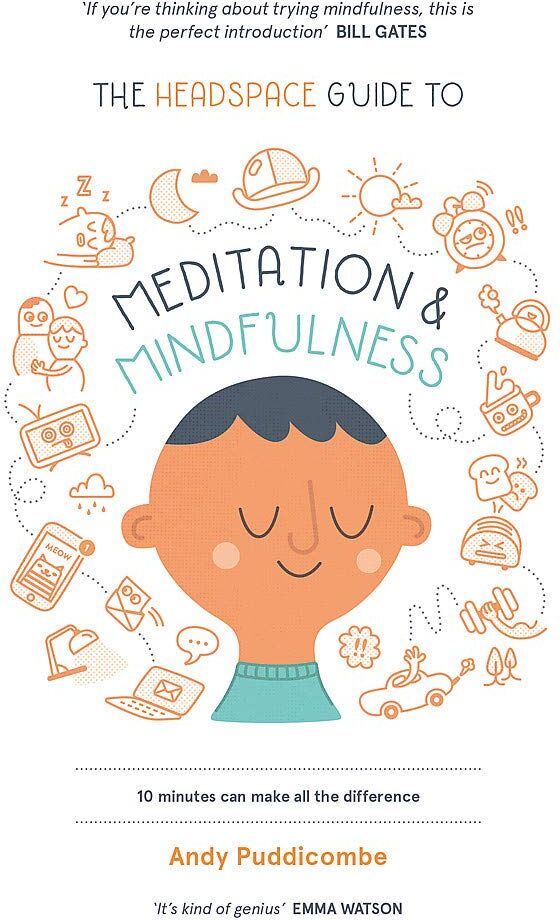
Coronet The Headspace Guide to Mindfulness & Meditation by Andy Puddicombe - Paperback - 10 Minute Daily Meditation for AdultsDiscover the accessible world of mindfulness and meditation with The Headspace Guide to Mindfulness and Meditation by Andy Puddicombe. This practical guide, written in a warm and jargon-free voice, offers a science-friendly framework for complete beginners and lapsed meditators alike. Andy Puddicombe, a former Buddhist monk, distills a decade of monastic training into ten-minute daily practices that can help restore calm, clarity, and focus. By committing to just ten minutes a day, you can meaningfully change how you read and live your life. This paperback reissue of Get Some Headspace provides a clear and accessible route into modern meditation, making it easy to incorporate mindfulness into your busy schedule.2,99 £*Shipping: 2,99 £Secure redirect to the provider


-
What is an unstable gait?
An unstable gait refers to an unsteady or unbalanced way of walking. This can be caused by a variety of factors, including muscle weakness, joint instability, neurological conditions, or inner ear problems. People with an unstable gait may have difficulty maintaining their balance while walking, and may be at an increased risk of falling. It is important for individuals with an unstable gait to work with healthcare professionals to address the underlying cause and improve their walking stability. **
-
What is a broad-based gait?
A broad-based gait refers to a walking pattern where the distance between the feet is wider than normal. This can be a sign of instability or difficulty with balance, and it is often seen in individuals with neurological or musculoskeletal conditions. A broad-based gait can make walking more challenging and increase the risk of falls, so it is important to address the underlying cause and work on improving balance and stability through physical therapy and other interventions. **
-
How did the upright gait evolve?
The evolution of upright gait is believed to have occurred over millions of years, as our early ancestors transitioned from walking on all fours to walking on two legs. This transition is thought to have been driven by the need to free up the hands for carrying objects and using tools, as well as for better visibility over tall grasses in open savannah environments. Additionally, walking upright may have also helped our ancestors to cover longer distances more efficiently, which would have been advantageous for hunting and gathering. Over time, natural selection favored those individuals with traits that supported upright walking, leading to the development of the modern human gait. **
-
What are meditation and mindfulness?
Meditation is a practice that involves focusing the mind on a particular object, thought, or activity to train attention and awareness, and achieve a mentally clear and emotionally calm state. Mindfulness is a type of meditation that involves paying attention to the present moment without judgment. It involves being fully aware of your thoughts, feelings, bodily sensations, and surrounding environment. Both meditation and mindfulness have been shown to have numerous benefits for mental and physical well-being, including reducing stress, improving focus, and enhancing overall quality of life. **


What is your favorite gait when riding?
My favorite gait when riding is the canter. I love the feeling of speed and power that comes with the canter, as well as the smooth and flowing motion of the horse. It's a gait that requires balance and coordination from both the rider and the horse, which makes it exciting and challenging to ride. Overall, the canter is a beautiful and exhilarating gait that I always look forward to when riding. **
What types of gait disorders are there?
There are several types of gait disorders that can affect an individual's ability to walk properly. Some common types include spastic gait, which is characterized by stiff muscles and jerky movements; ataxic gait, which involves a lack of coordination and balance; and steppage gait, where the foot drops down due to weakness or paralysis of the muscles. Other types of gait disorders include Parkinsonian gait, hemiplegic gait, and sensory gait disturbances. Each type of gait disorder requires specific treatment and management strategies to help improve mobility and quality of life. **
Top-Angebote
Products related to Gait:
-
Style Haven The Gray Barn Told Gait Gingham Checker Area RugAdd an inviting, rustic accent to your decor with this lovely area rug from The Gray Barn. This rug features a farmhouse-inspired gingham check pattern in your choice of black and ivory or beige and tan.62,63 $*Shipping: 0,00 $Secure redirect to the provider
-
Inspired Deals Natural Amethyst Bracelet Crystal Healing Stretch Purple Gemstone Bracelet For Meditation And Mindfulness Natural Amethyst Bracelet Crystal Healing Stretch Purple Gemstone Bracelet For Meditation And MindfulnessExperience a sense of calm while adding timeless beauty to your everyday style with this Amethyst Bracelet. Designed for anyone who values meaningful jewelry, this elegant stretch bracelet features genuine purple gemstone beads that pair...32,97 $*Shipping: 0,00 $Secure redirect to the provider
-
Tom Michaud Injury-Free Running: Your Illustrated Guide to Biomechanics, Gait Analysis, and Injury PreventionDescription:. Condition: BRAND NEW. Format: Paperback. Each time your foot hits the ground while running, an impact force averaging three times your weight travels through your body at more than 200 miles per hour, causing your bones to vibrate and tendons to stretch. When you consider the average runner strikes the ground more than 10,000 times per hour, this translates into a remarkable amount of force that needs to be absorbed, and explains why nearly 50% of recreational runners are injured each year.. Title. Injury-Free Running: Your Illustrated Guide to Biomechanics, Gait Analysis, and Injury Prevention. Delivery. Content. Reviews99,99 £*Shipping: 0,00 £Secure redirect to the provider
-
The Vital Glutes: Connecting the Gait Cycle to Pain and Dysfunction by John Gibbons - Non Fiction - PaperbackTitle:. The Vital Glutes: Connecting the Gait Cycle to Pain and Dysfunction Condition: BRAND NEW. Format: Paperback. ISBN: 9781905367498 Overview:. John Gibbons invites readers to reframe what you know about the glutes. Often overlooked in both sport and medicine, the gluteal muscles are central to how we move, stabilize the pelvis, and absorb impact in every step. The Vital Glutes guides you through a clear, inquiry-based exploration of how gait patterns can propagate pain and dysfunction far from the hip. You'll learn how to identify when gluteal timing or strength is out of sync, and why this misfiring can contribute to back, knee, or hip discomfort. The book blends anatomy with practical assessment, offering step-by-step tasks to detect dysfunctional patterns and to implement targeted, functional gluteal exercises designed to restore balance and mobility. A central tool is Muscle Energy Techniques tailored to the glutes, shown as accessible sequences you can practice safely at home or in clinic. Whether you're an athlete aiming to optimize performance, a patient seeking relief, or a therapist building a rehabilitation plan, this book provides a framework to connect the gait cycle to present pain—and to address it at its source. The tone is supportive and actionable, breaking complex biomechanics into doable steps and friendly checks that build confidence as you progress. From neutral walking to challenging load-bearing tasks, the text emphasizes practical evaluation, not just theory. By the end of the book, you’ll have a personal mini-program to guide recovery and ongoing mobility, with progress cues to monitor improvements. What Makes This Book Stand Out:. This book stands out because it places the glutes at the center of a holistic, evidence-informed approach to movement and pain. Gibbons doesn’t مجرد describe anatomy; he translates it into a usable framework for real-life everyday movement. The Vital Glutes bridges clinical concepts with practical application through clearly structured assessments, progressive exercises, and glute-focused Muscle Energy Techniques that readers can perform with minimal equipment. The emphasis on the gait cycle as a driver of dysfunction helps readers see connections between foot strike, hip stability, and spinal mechanics. The practical tasks are designed to empower readers—whether they’re recovering from an injury, coaching for sport, or seeking preventative care—so you can translate knowledge into reduced pain, improved function, and renewed confidence in movement. Who This Book Is Perfect For:. This book is ideal for runners, walkers, and active individuals dealing with hip, back, or knee pain linked to movement patterns. It’s also a valuable resource for physical therapists, sports therapists, fitness professionals, and students seeking a focused, actionable guide to the gluteal region and its impact on the gait cycle. If you’re a clinician building rehabilitation plans, a patient pursuing...99,99 £*Shipping: 0,00 £Secure redirect to the provider
-
What is a strange gait?
A strange gait refers to an abnormal or unusual way of walking or moving. This can include limping, shuffling, dragging one's feet, or any other atypical movement pattern. A strange gait can be a sign of an underlying medical condition or injury, and it may warrant further evaluation by a healthcare professional. Observing a strange gait in oneself or others can be a clue that something may be amiss and should be addressed. **
-
What is the correct gait?
The correct gait refers to the proper way of walking or moving, with a balanced and coordinated motion of the limbs. It involves a smooth and efficient movement pattern that minimizes stress on the body and maximizes energy efficiency. A correct gait is essential for maintaining good posture, preventing injuries, and promoting overall physical well-being. It can vary depending on individual factors such as body structure, muscle strength, and flexibility. **
-
What is an unstable gait?
An unstable gait refers to an unsteady or unbalanced way of walking. This can be caused by a variety of factors, including muscle weakness, joint instability, neurological conditions, or inner ear problems. People with an unstable gait may have difficulty maintaining their balance while walking, and may be at an increased risk of falling. It is important for individuals with an unstable gait to work with healthcare professionals to address the underlying cause and improve their walking stability. **
-
What is a broad-based gait?
A broad-based gait refers to a walking pattern where the distance between the feet is wider than normal. This can be a sign of instability or difficulty with balance, and it is often seen in individuals with neurological or musculoskeletal conditions. A broad-based gait can make walking more challenging and increase the risk of falls, so it is important to address the underlying cause and work on improving balance and stability through physical therapy and other interventions. **
Similar search terms for Gait
-
Art of Mindfulness for Beginners: Art Therapy & Nature - Paperback Self-Help Book by B Jain Publishing - Mindfulness & Art Therapy for AdultsDiscover a gentle and accessible guide to mindfulness through art therapy and nature. This beginner-friendly paperback is designed for those looking to slow down and reconnect with the present moment through creative expression. Blending simple art-making exercises with the calming influence of the natural world, it provides practical tools for reducing stress. No artistic experience is required, just an open mind and a willingness to explore mindfulness through colour, texture, and the rhythms of nature. This book sits at the crossroads of art therapy and nature-based mindfulness, two disciplines that can help ease everyday anxiety and mental fatigue. Rather than focusing on technical drawing or painting skill, the book centres on process over product, guiding readers through a series of exercises that promote mindfulness and self-discovery. Published by B Jain Publishing, this paperback is a great resource for anyone looking to cultivate a greater sense of calm and well-being in their daily lives.3,49 £*Shipping: 2,99 £Secure redirect to the provider
-
Coronet The Headspace Guide to Mindfulness & Meditation by Andy Puddicombe - Paperback - 10 Minute Daily Meditation for AdultsDiscover the accessible world of mindfulness and meditation with The Headspace Guide to Mindfulness and Meditation by Andy Puddicombe. This practical guide, written in a warm and jargon-free voice, offers a science-friendly framework for complete beginners and lapsed meditators alike. Andy Puddicombe, a former Buddhist monk, distills a decade of monastic training into ten-minute daily practices that can help restore calm, clarity, and focus. By committing to just ten minutes a day, you can meaningfully change how you read and live your life. This paperback reissue of Get Some Headspace provides a clear and accessible route into modern meditation, making it easy to incorporate mindfulness into your busy schedule.2,99 £*Shipping: 2,99 £Secure redirect to the provider
-
Art of Mindfulness for Beginners Art Therapy Nature by Bjain PublishingDescription. Condition: BRAND NEW. Format: Paperback. Art of Mindfulness for Beginners Art Therapy Nature. Title. Art of Mindfulness for Beginners Art Therapy Nature by Bjain Publishing. Delivery. Content. Reviews2,49 £*Shipping: 2,99 £Secure redirect to the provider
-
Oli Doyle & Andy Puddicombe Mindfulness Plain & Simple, Headspace Guide To Meditation And Mindfulness 4 Books Set - Non Fiction - PaperbackTitles in This Set:. Mindfulness Plain & Simple. Headspace Guide To Meditation And Mindfulness. Meditation For Fidgety Skeptics. 10% Happier Condition: BRAND NEW. Format: Paperback Overview:. This four-book mindfulness collection packs practical wisdom into a compact, affordable paperback bundle designed for everyday life. Mindfulness Plain & Simple delivers a clear, jargon-free entry point for those curious about calm, focus, and happiness, guiding readers to notice the present moment in small, achievable steps. The Headspace Guide To Meditation And Mindfulness translates a decade of practice into accessible routines—ten minutes can make a meaningful difference in mood, sleep, and stress. Meditation For Fidgety Skeptics invites even the busiest skeptics to test practical exercises with honesty and humor, turning hesitation into action. 10% Happier brings a candid, memoir-style path to mindfulness, showing how real-life pressures can become catalysts for lasting balance. Together, these four titles form a complete, nurturing toolkit for reducing stress, boosting concentration, and cultivating well-being at home, work, and school. Whether you’re new to mindfulness or seeking a trusted, proven approach, this collection invites you to begin today. What Makes This Collection Special:. This collection stands apart because four distinct voices converge on a single mission: make mindfulness practical, approachable, and sustainable. Oli Doyle’s Mindfulness Plain & Simple offers a friendly doorway for absolute beginners; Andy Puddicombe’s Headspace approach provides a clear, evidence-based framework for short daily sessions; Dan Harris, with Jeff Warren and Carlye Adler, meets readers where they are—skepticism included—turning resistance into momentum; and 10% Happier adds a memoir’s honesty to the toolkit, illustrating tangible life-changing results. The variety ensures different learning styles are catered for, while the consistent thread—short, manageable practices—builds confidence to try, repeat, and integrate mindfulness into everyday routines. This makes the set not only a collection but a coherent reading journey toward greater calm, focus, and resilience. Books Included in This Collection:. Mindfulness Plain & Simple. With a clear, down-to-earth voice, Mindfulness Plain & Simple invites newcomers to experience mindfulness without jargon or fluff. The book breaks down practical exercises—moment-to-moment awareness, simple breathing practices, and gentle body scans—that fit into a busy day. Readers discover how a few minutes of mindful attention can sharpen focus, ease anxiety, and boost mood, creating a reliable foundation for healthier habits. The tone is warm and encouraging, making it easy to start and sustain a personal mindfulness routine that genuinely improves everyday life. Headspace Guide To Meditation And Mindfulness. Andy Puddicombe distills his Headspace philosophy into an approachable, action-oriented manual. Emphasizing short...19,99 £*Shipping: 2,99 £Secure redirect to the provider
-
How did the upright gait evolve?
The evolution of upright gait is believed to have occurred over millions of years, as our early ancestors transitioned from walking on all fours to walking on two legs. This transition is thought to have been driven by the need to free up the hands for carrying objects and using tools, as well as for better visibility over tall grasses in open savannah environments. Additionally, walking upright may have also helped our ancestors to cover longer distances more efficiently, which would have been advantageous for hunting and gathering. Over time, natural selection favored those individuals with traits that supported upright walking, leading to the development of the modern human gait. **
-
What are meditation and mindfulness?
Meditation is a practice that involves focusing the mind on a particular object, thought, or activity to train attention and awareness, and achieve a mentally clear and emotionally calm state. Mindfulness is a type of meditation that involves paying attention to the present moment without judgment. It involves being fully aware of your thoughts, feelings, bodily sensations, and surrounding environment. Both meditation and mindfulness have been shown to have numerous benefits for mental and physical well-being, including reducing stress, improving focus, and enhancing overall quality of life. **
-
What is your favorite gait when riding?
My favorite gait when riding is the canter. I love the feeling of speed and power that comes with the canter, as well as the smooth and flowing motion of the horse. It's a gait that requires balance and coordination from both the rider and the horse, which makes it exciting and challenging to ride. Overall, the canter is a beautiful and exhilarating gait that I always look forward to when riding. **
-
What types of gait disorders are there?
There are several types of gait disorders that can affect an individual's ability to walk properly. Some common types include spastic gait, which is characterized by stiff muscles and jerky movements; ataxic gait, which involves a lack of coordination and balance; and steppage gait, where the foot drops down due to weakness or paralysis of the muscles. Other types of gait disorders include Parkinsonian gait, hemiplegic gait, and sensory gait disturbances. Each type of gait disorder requires specific treatment and management strategies to help improve mobility and quality of life. **
* All prices are inclusive of VAT and, if applicable, plus shipping costs. The offer information is based on the details provided by the respective shop and is updated through automated processes. Real-time updates do not occur, so deviations can occur in individual cases. ** Note: Parts of this content were created by AI.