Buy sublimationtalk.com ?
We are moving the project
sublimationtalk.com .
Are you interested in purchasing the domain
sublimationtalk.com ?
domain@kv-gmbh.de · 0541-91531010
Buy sublimationtalk.com ?
How is the stove pipe wall rosette or wall cover attached?
The stove pipe wall rosette or wall cover is typically attached to the wall by screwing it into place. The rosette or cover will have pre-drilled holes for screws to be inserted through and secured to the wall. It is important to ensure that the screws are securely fastened to provide stability and support for the stove pipe. **
What is the difference between a drainage pipe and a solid wall pipe?
A drainage pipe is designed to carry away water or waste fluids, typically with perforations or openings along its length to allow water to enter. It is used for drainage systems to prevent water accumulation. On the other hand, a solid wall pipe is a pipe with no perforations, designed to transport fluids without any leakage. Solid wall pipes are commonly used for pressurized systems such as water supply or sewage lines. **


Similar search terms for FATIVO-Industrial-Pipe-Wall
Top-Angebote
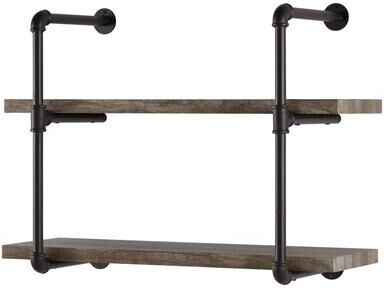
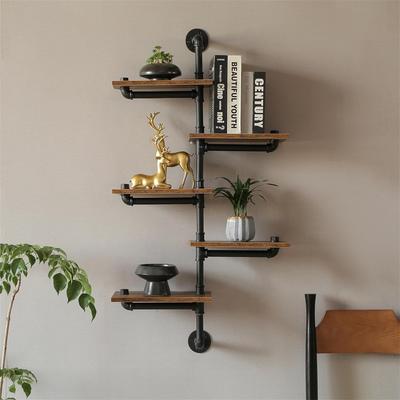
Products related to FATIVO-Industrial-Pipe-Wall:


-
What causes the scratching in the wall pipe?
The scratching in the wall pipe can be caused by a few different factors. One common cause is the buildup of mineral deposits or sediment inside the pipe, which can create rough surfaces that cause scratching as water flows through. Another possible cause is the presence of debris or foreign objects in the pipe, which can rub against the walls and create scratching. Additionally, if the pipe is old or corroded, the metal surface may become rough and lead to scratching as well. Regular maintenance and inspection of the pipes can help identify and address these issues before they become more serious. **
-
What is industrial healing?
Industrial healing refers to the process of revitalizing and restoring industrial areas that have been negatively impacted by pollution, environmental degradation, or economic decline. This can involve efforts to clean up contaminated sites, redevelop abandoned industrial facilities, and create new economic opportunities for the community. Industrial healing aims to improve the environmental and economic health of these areas, often through a combination of remediation, sustainable development, and community engagement. It is a holistic approach that seeks to address the social, environmental, and economic challenges faced by industrial communities. **
-
What kind of pipe is that on the wall?
The pipe on the wall appears to be a copper pipe. Copper pipes are commonly used for water supply lines in residential and commercial buildings due to their durability and resistance to corrosion. They are also known for their ability to handle high water pressure and for being relatively easy to install. **
-
What is punched industrial healing?
Punched industrial healing is a process used to repair or heal damaged industrial materials, such as metal or plastic, by punching small holes or indentations into the material. This technique can be used to strengthen weakened areas, reduce stress concentrations, and prevent further damage. By creating a pattern of punched holes, the material's structural integrity can be improved, making it more resistant to future wear and tear. Punched industrial healing is commonly used in manufacturing and engineering industries to extend the lifespan of industrial components. **


How can one install a heating pipe behind the wall?
To install a heating pipe behind a wall, you will need to first determine the location where the pipe will run. Next, cut a channel in the wall large enough to accommodate the pipe using a saw or drill. Then, insert the heating pipe into the channel and secure it in place using pipe brackets or clips. Finally, patch up the wall and ensure the pipe is properly connected to the heating system for it to function correctly. It is recommended to consult a professional plumber or contractor for assistance with this installation to ensure it is done safely and effectively. **
How can one enlarge the stove pipe in the wall?
To enlarge a stove pipe in the wall, you will need to carefully remove the existing pipe and then enlarge the hole in the wall to accommodate the larger pipe. This may involve cutting away drywall or other materials around the existing pipe. Once the hole is enlarged, you can install the larger stove pipe and ensure it is properly sealed to prevent any leaks. It's important to follow safety guidelines and local building codes when making any modifications to a stove pipe. If you are unsure about how to do this, it's best to consult with a professional. **
Top-Angebote
Products related to FATIVO-Industrial-Pipe-Wall:
-
How is the stove pipe wall rosette or wall cover attached?
The stove pipe wall rosette or wall cover is typically attached to the wall by screwing it into place. The rosette or cover will have pre-drilled holes for screws to be inserted through and secured to the wall. It is important to ensure that the screws are securely fastened to provide stability and support for the stove pipe. **
-
What is the difference between a drainage pipe and a solid wall pipe?
A drainage pipe is designed to carry away water or waste fluids, typically with perforations or openings along its length to allow water to enter. It is used for drainage systems to prevent water accumulation. On the other hand, a solid wall pipe is a pipe with no perforations, designed to transport fluids without any leakage. Solid wall pipes are commonly used for pressurized systems such as water supply or sewage lines. **
-
What causes the scratching in the wall pipe?
The scratching in the wall pipe can be caused by a few different factors. One common cause is the buildup of mineral deposits or sediment inside the pipe, which can create rough surfaces that cause scratching as water flows through. Another possible cause is the presence of debris or foreign objects in the pipe, which can rub against the walls and create scratching. Additionally, if the pipe is old or corroded, the metal surface may become rough and lead to scratching as well. Regular maintenance and inspection of the pipes can help identify and address these issues before they become more serious. **
-
What is industrial healing?
Industrial healing refers to the process of revitalizing and restoring industrial areas that have been negatively impacted by pollution, environmental degradation, or economic decline. This can involve efforts to clean up contaminated sites, redevelop abandoned industrial facilities, and create new economic opportunities for the community. Industrial healing aims to improve the environmental and economic health of these areas, often through a combination of remediation, sustainable development, and community engagement. It is a holistic approach that seeks to address the social, environmental, and economic challenges faced by industrial communities. **
Similar search terms for FATIVO-Industrial-Pipe-Wall
-
What kind of pipe is that on the wall?
The pipe on the wall appears to be a copper pipe. Copper pipes are commonly used for water supply lines in residential and commercial buildings due to their durability and resistance to corrosion. They are also known for their ability to handle high water pressure and for being relatively easy to install. **
-
What is punched industrial healing?
Punched industrial healing is a process used to repair or heal damaged industrial materials, such as metal or plastic, by punching small holes or indentations into the material. This technique can be used to strengthen weakened areas, reduce stress concentrations, and prevent further damage. By creating a pattern of punched holes, the material's structural integrity can be improved, making it more resistant to future wear and tear. Punched industrial healing is commonly used in manufacturing and engineering industries to extend the lifespan of industrial components. **
-
How can one install a heating pipe behind the wall?
To install a heating pipe behind a wall, you will need to first determine the location where the pipe will run. Next, cut a channel in the wall large enough to accommodate the pipe using a saw or drill. Then, insert the heating pipe into the channel and secure it in place using pipe brackets or clips. Finally, patch up the wall and ensure the pipe is properly connected to the heating system for it to function correctly. It is recommended to consult a professional plumber or contractor for assistance with this installation to ensure it is done safely and effectively. **
-
How can one enlarge the stove pipe in the wall?
To enlarge a stove pipe in the wall, you will need to carefully remove the existing pipe and then enlarge the hole in the wall to accommodate the larger pipe. This may involve cutting away drywall or other materials around the existing pipe. Once the hole is enlarged, you can install the larger stove pipe and ensure it is properly sealed to prevent any leaks. It's important to follow safety guidelines and local building codes when making any modifications to a stove pipe. If you are unsure about how to do this, it's best to consult with a professional. **
* All prices are inclusive of VAT and, if applicable, plus shipping costs. The offer information is based on the details provided by the respective shop and is updated through automated processes. Real-time updates do not occur, so deviations can occur in individual cases. ** Note: Parts of this content were created by AI.