Buy sublimationtalk.com ?
We are moving the project
sublimationtalk.com .
Are you interested in purchasing the domain
sublimationtalk.com ?
domain@kv-gmbh.de · 0541-91531010
Buy sublimationtalk.com ?
What is the difference between vocalic coda and consonantal coda?
A vocalic coda is the ending sound of a syllable that is a vowel or a diphthong, while a consonantal coda is the ending sound of a syllable that is a consonant. In other words, a vocalic coda ends with a vowel sound, while a consonantal coda ends with a consonant sound. For example, in the word "go," the "o" is a vocalic coda, while in the word "cat," the "t" is a consonantal coda. **
What are meditation and mindfulness?
Meditation is a practice that involves focusing the mind on a particular object, thought, or activity to train attention and awareness, and achieve a mentally clear and emotionally calm state. Mindfulness is a type of meditation that involves paying attention to the present moment without judgment. It involves being fully aware of your thoughts, feelings, bodily sensations, and surrounding environment. Both meditation and mindfulness have been shown to have numerous benefits for mental and physical well-being, including reducing stress, improving focus, and enhancing overall quality of life. **
Similar search terms for Coda
Top-Angebote
Products related to Coda:
-
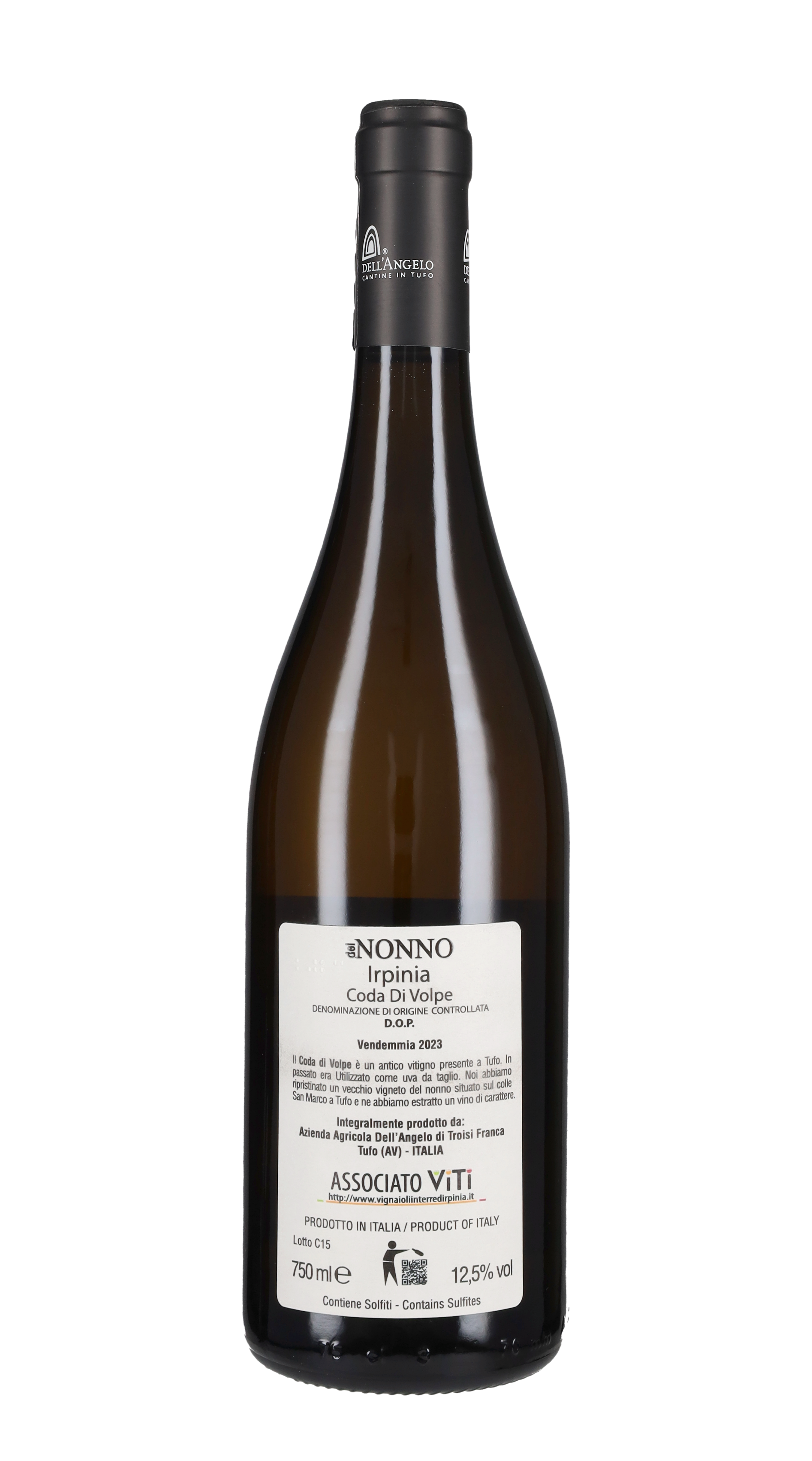
Coda di Volpe 'Del Nonno' Cantine dell'Angelo 2024The Coda di Volpe ‘Del Nonno’ from Cantine dell’Angelo is configured as a typically mineral interpretation of the Irpinia territory, particularly the area of Tufo. In fact, Angelo Muto, the owner of Cantine dell’Angelo, operates within the territory of Tufo, in the heart of Irpinia, in an area highly suited for the cultivation of the Greco grape, which is no coincidence the varietal symbol of the winery. This is accompanied by the Coda di Volpe, another native Campanian grape, entirely used by Angelo for the production of the label ‘Del Nonno’, the latter name deriving from the homonymous old vineyard from which the grapes come.The Coda di Volpe Cantine dell’Angelo ‘Del Nonno’ is made from only Coda di Volpe grapes coming from a old vineyard located on the San Marco hill in Tufo, cultivated using low environmental impact agronomic practices. Following the harvest, which is carried out entirely by hand, the bunches undergo a direct soft pressing, followed by spontaneous alcoholic fermentation in stainless steel tanks entrusted to only indigenous yeasts. The subsequent maturation phase also takes place in steel, containers in which the wine rests for a total period of about 10 months, of which 6 spent on the fine lees.‘Del Nonno’ Coda di Volpe from Cantine dell’Angelo has an intense straw yellow hue. The aromatic bouquet is described by fragrant floral hints of chamomile that combine with aromas of bergamot and sage, as well as intriguing mineral notes of sulfur. Agile and tasty tasting, deep and refreshing, endowed with a intensely savory finish. By virtue of its organoleptic characteristics, this white wine represents a winning pairing with seafood cuisine, particularly with mixed fried dishes, seafood risottos, or grilled fish.19,00 £*Shipping: 48,00 £Secure redirect to the provider
-
World Menagerie Coda Coffee Table White Crocodile 48.26cm H X 99.06cm W X 59.69cm DEnjoy ultimate relaxation with this boho-chic coffee table, featuring an upholstered design perfect for lounging. Its spacious surface offers ample room for your favorite beverages and snacks. This imported piece seamlessly blends style and comfort for a truly inviting living space. World Menagerie Colour: White Crocodile158,99 £*Shipping: 0,00 £Secure redirect to the provider
-
Art of Mindfulness for Beginners: Art Therapy & Nature - Paperback Self-Help Book by B Jain Publishing - Mindfulness & Art Therapy for AdultsDiscover a gentle and accessible guide to mindfulness through art therapy and nature. This beginner-friendly paperback is designed for those looking to slow down and reconnect with the present moment through creative expression. Blending simple art-making exercises with the calming influence of the natural world, it provides practical tools for reducing stress. No artistic experience is required, just an open mind and a willingness to explore mindfulness through colour, texture, and the rhythms of nature. This book sits at the crossroads of art therapy and nature-based mindfulness, two disciplines that can help ease everyday anxiety and mental fatigue. Rather than focusing on technical drawing or painting skill, the book centres on process over product, guiding readers through a series of exercises that promote mindfulness and self-discovery. Published by B Jain Publishing, this paperback is a great resource for anyone looking to cultivate a greater sense of calm and well-being in their daily lives.3,49 £*Shipping: 2,99 £Secure redirect to the provider



-
Is loving-kindness meditation sufficient instead of mindfulness meditation?
Loving-kindness meditation and mindfulness meditation serve different purposes and can complement each other. While mindfulness meditation focuses on being present and aware of one's thoughts and feelings without judgment, loving-kindness meditation cultivates feelings of compassion and goodwill towards oneself and others. Both practices can be beneficial for overall well-being, and individuals may choose to incorporate both into their meditation routine for a more holistic approach to mental and emotional health. Ultimately, the effectiveness of each practice depends on the individual's specific needs and goals. **
-
What is the difference between mantra meditation and mindfulness meditation?
Mantra meditation involves focusing on a specific word, phrase, or sound to quiet the mind and cultivate a sense of inner peace. This repetition helps to anchor the mind and prevent distractions. On the other hand, mindfulness meditation involves being fully present in the moment, observing thoughts, feelings, and sensations without judgment. It emphasizes awareness of the present moment and acceptance of whatever arises. Both practices can help reduce stress and improve overall well-being, but they differ in their specific techniques and focuses. **
-
Do you have experience with mindfulness meditation?
As an AI, I do not have personal experiences or consciousness to practice mindfulness meditation. However, I have been programmed with knowledge about mindfulness meditation and its benefits. If you have any questions or need guidance on mindfulness meditation techniques, feel free to ask! **
-
Can mindfulness meditation also have no benefit?
While mindfulness meditation has been shown to have numerous benefits for mental and physical well-being, it is possible that it may not have a positive impact on everyone. Some individuals may not find mindfulness meditation helpful due to personal preferences, lack of consistency in practice, or underlying mental health conditions that require additional support. It is important to recognize that mindfulness meditation is not a one-size-fits-all solution and that different practices or therapies may be more effective for some individuals. **


Where do exposition, development, recapitulation, and coda begin and end, and how can I recognize them?
Exposition, development, recapitulation, and coda are structural elements commonly found in classical music, particularly in sonata form. The exposition typically begins with the presentation of the main themes and ends with a closing section. The development section follows, where the themes are developed and transformed. The recapitulation then restates the main themes, often with some variations, and ends with a closing section. The coda is a concluding section that follows the recapitulation and provides a sense of finality. These sections can be recognized by changes in musical material, key, and overall structure, and are often marked by specific musical cues such as cadences or thematic restatements. **
Which anchor point do you use as the meditation object in mindfulness meditation?
In mindfulness meditation, the anchor point used as the meditation object is often the breath. Practitioners focus their attention on the sensations of the breath as it enters and leaves the body, using it as a way to stay present and cultivate awareness. This helps to calm the mind and bring attention back to the present moment when it starts to wander. Other common anchor points include bodily sensations, sounds, or even a specific object or image. **
Top-Angebote
Products related to Coda:
-
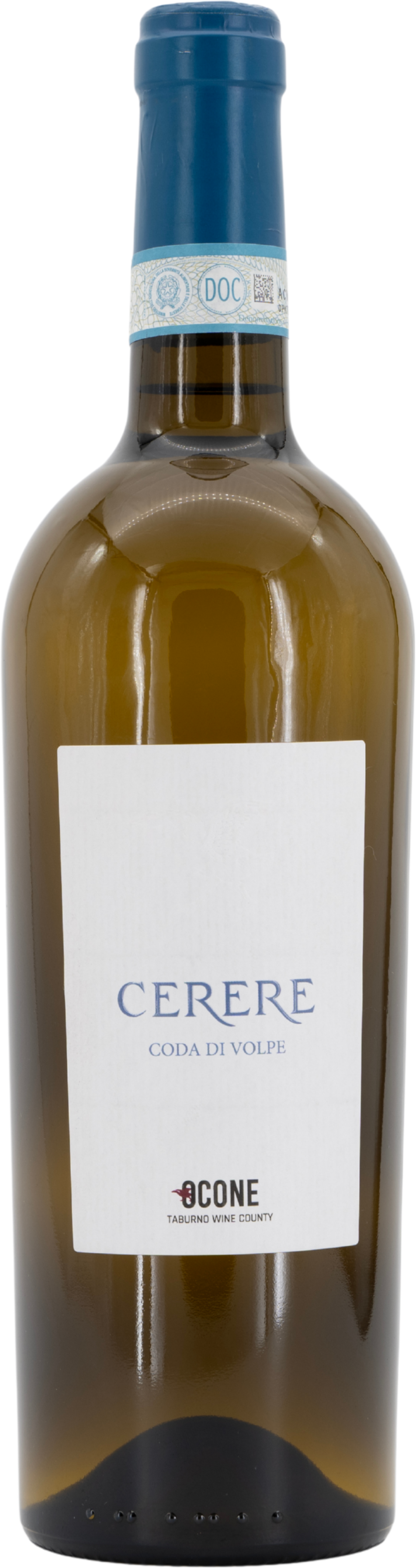
Coda di Volpe 'Cerere' Ocone 2025The Coda di Volpe from Ocone embodies a wish; it is associated with Cerere, a maternal deity of the earth and fertility; a goddess of the harvest directly linked to the healthy lushness of the white grape vineyards of this winery that began its activity in 1908 thanks to the far-sighted passion of Giuseppe Ocone and which in the following decades quickly became a top-level entrepreneurial and agricultural reality. Today Domenico Ocone and Nicola Pastore use modern technologies in the service of tradition, history, and environmental sustainability. We are at La Madonnella, on a vineyard of about 10 hectares, on hilly vineyards, cultivated with predominantly organic fertilizers. We are in the municipality of Ponte, with a South-West exposure, on medium consistency soils rich in clay, located about 300 meters above sea level. Here, after a brief maceration on the skins at low temperature, the Coda di Volpe "Cerere" from Ocone is left to mature for a few months in steel to not alter in any way the intrinsic characteristics of this great grape variety, too often forgotten. An ancient grape variety, from Roman times, not very vigorous, but it gives rise to wines of great aromatic complexity. “Cerere” is a Coda di Volpe that reveals all its complexity and elegance, with notes of wisteria and ripe yellow and white fleshed fruit. A Coda di Volpe with a truly enviable quality/price ratio…9,00 £*Shipping: 48,00 £Secure redirect to the provider
-
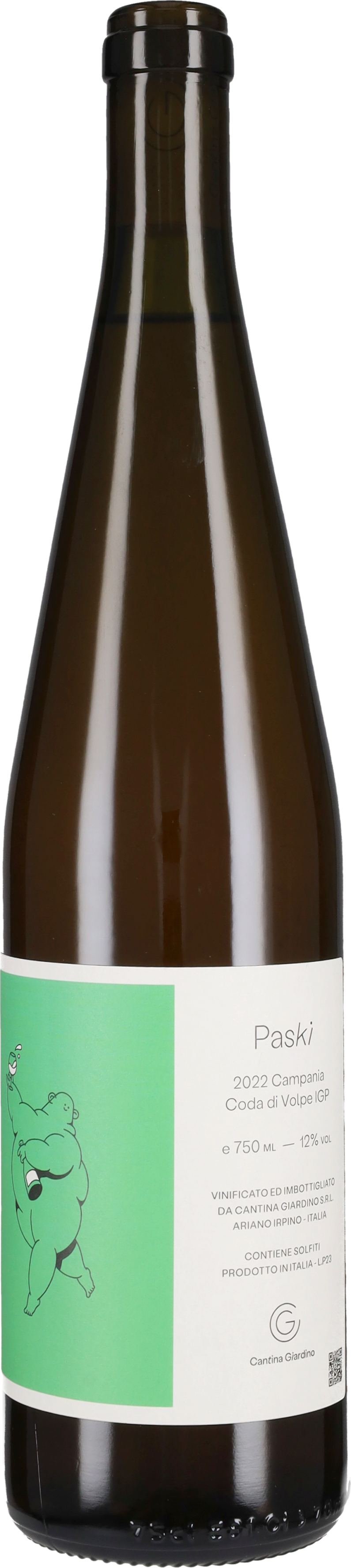
Coda di Volpe 'Paski' Cantina Giardino 2022The Coda di Volpe "Paski" by Cantina Giardino is a vertical white wine, just like the deep roots of the old 60-year-old native vines of Coda di Volpe that rise in the Irpinia area and are masterfully recovered and cultivated by the young winery. Young but with very clear ideas, that is to bring back to life, in the truest sense of the word, the territory and to offer panoramic insights to the imagination regarding the area through the enjoyment of this wine waiting to be discovered. The vines from which the Coda di Volpe grapes are harvested are wonderfully oriented to the South and are located at an altitude of 450 meters on a soil of limestone, sandy, and clay type. In the winery, only the operation of subtraction reigns: no clarifications, filtrations, and invasive interventions. Only manual labor and gestures follow the operation of destemming. After a 5-day maceration, the pressing is done with a wooden press, as in the past, and spontaneous fermentation takes place for a small percentage in small barrels of chestnut and the remaining in steel. The wine ages for a period of 12 months in chestnut barrels. The "Paski" Coda di Volpe is of intense straw yellow color, with cloudy hues as it is not filtered; everything that lives and brings positivity is never eliminated. On the nose, there is a slight volatile sensation, but it does not clash, rather it enhances this macerated white. It is intense and complex, requires oxygenation, with notes of honey and flowers combined with mineral puffs and gunpowder. On the palate, only what has undergone the fermentation process is felt: sublime acidity and a nearly tactile body at the sip. A wine with a taut, savory, and fresh tone that should not be drunk cold. A sip of pure rustic experience.22,00 £*Shipping: 48,00 £Secure redirect to the provider
-
Coda di Volpe 'Del Nonno' Cantine dell'Angelo 2024The Coda di Volpe ‘Del Nonno’ from Cantine dell’Angelo is configured as a typically mineral interpretation of the Irpinia territory, particularly the area of Tufo. In fact, Angelo Muto, the owner of Cantine dell’Angelo, operates within the territory of Tufo, in the heart of Irpinia, in an area highly suited for the cultivation of the Greco grape, which is no coincidence the varietal symbol of the winery. This is accompanied by the Coda di Volpe, another native Campanian grape, entirely used by Angelo for the production of the label ‘Del Nonno’, the latter name deriving from the homonymous old vineyard from which the grapes come.The Coda di Volpe Cantine dell’Angelo ‘Del Nonno’ is made from only Coda di Volpe grapes coming from a old vineyard located on the San Marco hill in Tufo, cultivated using low environmental impact agronomic practices. Following the harvest, which is carried out entirely by hand, the bunches undergo a direct soft pressing, followed by spontaneous alcoholic fermentation in stainless steel tanks entrusted to only indigenous yeasts. The subsequent maturation phase also takes place in steel, containers in which the wine rests for a total period of about 10 months, of which 6 spent on the fine lees.‘Del Nonno’ Coda di Volpe from Cantine dell’Angelo has an intense straw yellow hue. The aromatic bouquet is described by fragrant floral hints of chamomile that combine with aromas of bergamot and sage, as well as intriguing mineral notes of sulfur. Agile and tasty tasting, deep and refreshing, endowed with a intensely savory finish. By virtue of its organoleptic characteristics, this white wine represents a winning pairing with seafood cuisine, particularly with mixed fried dishes, seafood risottos, or grilled fish.19,00 £*Shipping: 48,00 £Secure redirect to the provider
-
What is the difference between vocalic coda and consonantal coda?
A vocalic coda is the ending sound of a syllable that is a vowel or a diphthong, while a consonantal coda is the ending sound of a syllable that is a consonant. In other words, a vocalic coda ends with a vowel sound, while a consonantal coda ends with a consonant sound. For example, in the word "go," the "o" is a vocalic coda, while in the word "cat," the "t" is a consonantal coda. **
-
What are meditation and mindfulness?
Meditation is a practice that involves focusing the mind on a particular object, thought, or activity to train attention and awareness, and achieve a mentally clear and emotionally calm state. Mindfulness is a type of meditation that involves paying attention to the present moment without judgment. It involves being fully aware of your thoughts, feelings, bodily sensations, and surrounding environment. Both meditation and mindfulness have been shown to have numerous benefits for mental and physical well-being, including reducing stress, improving focus, and enhancing overall quality of life. **
-
Is loving-kindness meditation sufficient instead of mindfulness meditation?
Loving-kindness meditation and mindfulness meditation serve different purposes and can complement each other. While mindfulness meditation focuses on being present and aware of one's thoughts and feelings without judgment, loving-kindness meditation cultivates feelings of compassion and goodwill towards oneself and others. Both practices can be beneficial for overall well-being, and individuals may choose to incorporate both into their meditation routine for a more holistic approach to mental and emotional health. Ultimately, the effectiveness of each practice depends on the individual's specific needs and goals. **
-
What is the difference between mantra meditation and mindfulness meditation?
Mantra meditation involves focusing on a specific word, phrase, or sound to quiet the mind and cultivate a sense of inner peace. This repetition helps to anchor the mind and prevent distractions. On the other hand, mindfulness meditation involves being fully present in the moment, observing thoughts, feelings, and sensations without judgment. It emphasizes awareness of the present moment and acceptance of whatever arises. Both practices can help reduce stress and improve overall well-being, but they differ in their specific techniques and focuses. **
Similar search terms for Coda
-
World Menagerie Coda Coffee Table White Crocodile 48.26cm H X 99.06cm W X 59.69cm DEnjoy ultimate relaxation with this boho-chic coffee table, featuring an upholstered design perfect for lounging. Its spacious surface offers ample room for your favorite beverages and snacks. This imported piece seamlessly blends style and comfort for a truly inviting living space. World Menagerie Colour: White Crocodile158,99 £*Shipping: 0,00 £Secure redirect to the provider
-
Art of Mindfulness for Beginners: Art Therapy & Nature - Paperback Self-Help Book by B Jain Publishing - Mindfulness & Art Therapy for AdultsDiscover a gentle and accessible guide to mindfulness through art therapy and nature. This beginner-friendly paperback is designed for those looking to slow down and reconnect with the present moment through creative expression. Blending simple art-making exercises with the calming influence of the natural world, it provides practical tools for reducing stress. No artistic experience is required, just an open mind and a willingness to explore mindfulness through colour, texture, and the rhythms of nature. This book sits at the crossroads of art therapy and nature-based mindfulness, two disciplines that can help ease everyday anxiety and mental fatigue. Rather than focusing on technical drawing or painting skill, the book centres on process over product, guiding readers through a series of exercises that promote mindfulness and self-discovery. Published by B Jain Publishing, this paperback is a great resource for anyone looking to cultivate a greater sense of calm and well-being in their daily lives.3,49 £*Shipping: 2,99 £Secure redirect to the provider
-
Coronet The Headspace Guide to Mindfulness & Meditation by Andy Puddicombe - Paperback - 10 Minute Daily Meditation for AdultsDiscover the accessible world of mindfulness and meditation with The Headspace Guide to Mindfulness and Meditation by Andy Puddicombe. This practical guide, written in a warm and jargon-free voice, offers a science-friendly framework for complete beginners and lapsed meditators alike. Andy Puddicombe, a former Buddhist monk, distills a decade of monastic training into ten-minute daily practices that can help restore calm, clarity, and focus. By committing to just ten minutes a day, you can meaningfully change how you read and live your life. This paperback reissue of Get Some Headspace provides a clear and accessible route into modern meditation, making it easy to incorporate mindfulness into your busy schedule.2,99 £*Shipping: 2,99 £Secure redirect to the provider
-
Yellow Kite 10% Happier by Dan Harris 2 Books Collection Set - Paperback - 10% Happier & Meditation for Fidgety Skeptics - Adult Mindfulness & MeditationDiscover a more mindful you with the 10% Happier 2 Books Collection Set by Dan Harris. This set includes his landmark memoir, 10% Happier, and its hands-on companion guide, Meditation for Fidgety Skeptics. Written in a warm, funny, and grounded style, these books turn the real benefits of meditation into small, sustainable habits you can actually keep. Perfect for busy, restless, and skeptical minds, this set is ideal for beginners, lapsed meditators, and anyone curious about a calmer, less reactive way to live. The books are published by Yellow Kite and Hodder, and are available in paperback format. The ISBN numbers for the books are 9781529329032 and 9781473691391, respectively. The age range for this product is adult.13,99 £*Shipping: 2,99 £Secure redirect to the provider
-
Do you have experience with mindfulness meditation?
As an AI, I do not have personal experiences or consciousness to practice mindfulness meditation. However, I have been programmed with knowledge about mindfulness meditation and its benefits. If you have any questions or need guidance on mindfulness meditation techniques, feel free to ask! **
-
Can mindfulness meditation also have no benefit?
While mindfulness meditation has been shown to have numerous benefits for mental and physical well-being, it is possible that it may not have a positive impact on everyone. Some individuals may not find mindfulness meditation helpful due to personal preferences, lack of consistency in practice, or underlying mental health conditions that require additional support. It is important to recognize that mindfulness meditation is not a one-size-fits-all solution and that different practices or therapies may be more effective for some individuals. **
-
Where do exposition, development, recapitulation, and coda begin and end, and how can I recognize them?
Exposition, development, recapitulation, and coda are structural elements commonly found in classical music, particularly in sonata form. The exposition typically begins with the presentation of the main themes and ends with a closing section. The development section follows, where the themes are developed and transformed. The recapitulation then restates the main themes, often with some variations, and ends with a closing section. The coda is a concluding section that follows the recapitulation and provides a sense of finality. These sections can be recognized by changes in musical material, key, and overall structure, and are often marked by specific musical cues such as cadences or thematic restatements. **
-
Which anchor point do you use as the meditation object in mindfulness meditation?
In mindfulness meditation, the anchor point used as the meditation object is often the breath. Practitioners focus their attention on the sensations of the breath as it enters and leaves the body, using it as a way to stay present and cultivate awareness. This helps to calm the mind and bring attention back to the present moment when it starts to wander. Other common anchor points include bodily sensations, sounds, or even a specific object or image. **
* All prices are inclusive of VAT and, if applicable, plus shipping costs. The offer information is based on the details provided by the respective shop and is updated through automated processes. Real-time updates do not occur, so deviations can occur in individual cases. ** Note: Parts of this content were created by AI.