Buy sublimationtalk.com ?
We are moving the project
sublimationtalk.com .
Are you interested in purchasing the domain
sublimationtalk.com ?
domain@kv-gmbh.de · 0541-91531010
Buy sublimationtalk.com ?
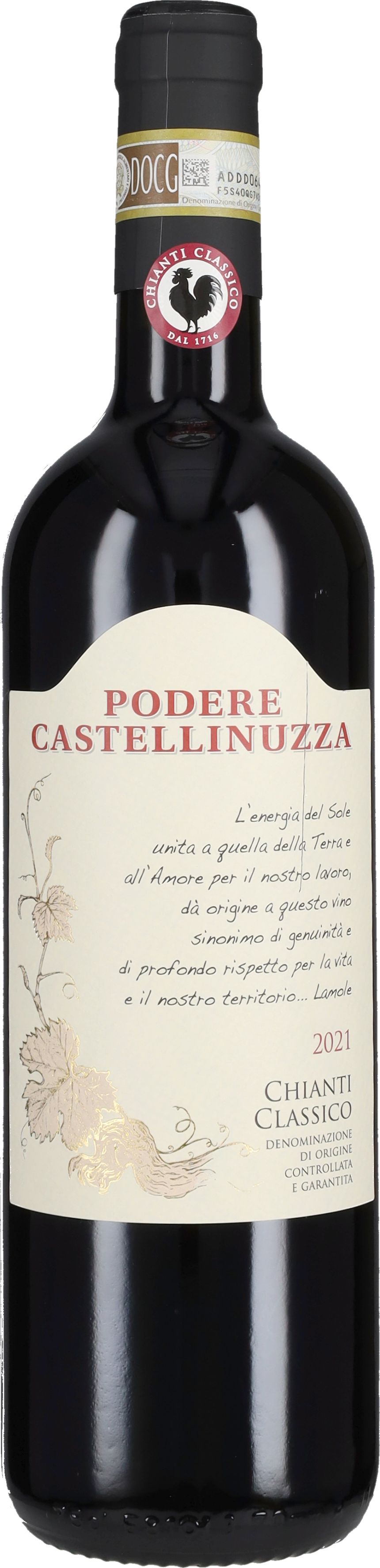
Is a 12-year-old Chianti still drinkable?
Yes, a 12-year-old Chianti can still be drinkable, especially if it has been stored properly in a cool, dark place. Chianti is a red wine that is known for its aging potential, and many Chianti wines can continue to develop and improve in flavor over time. However, it's important to note that not all Chianti wines are meant for long-term aging, so it's best to consult with a wine expert or sommelier to determine if a specific bottle of Chianti is still drinkable after 12 years. **
What are meditation and mindfulness?
Meditation is a practice that involves focusing the mind on a particular object, thought, or activity to train attention and awareness, and achieve a mentally clear and emotionally calm state. Mindfulness is a type of meditation that involves paying attention to the present moment without judgment. It involves being fully aware of your thoughts, feelings, bodily sensations, and surrounding environment. Both meditation and mindfulness have been shown to have numerous benefits for mental and physical well-being, including reducing stress, improving focus, and enhancing overall quality of life. **

Similar search terms for Chianti
Top-Angebote
Products related to Chianti:
-
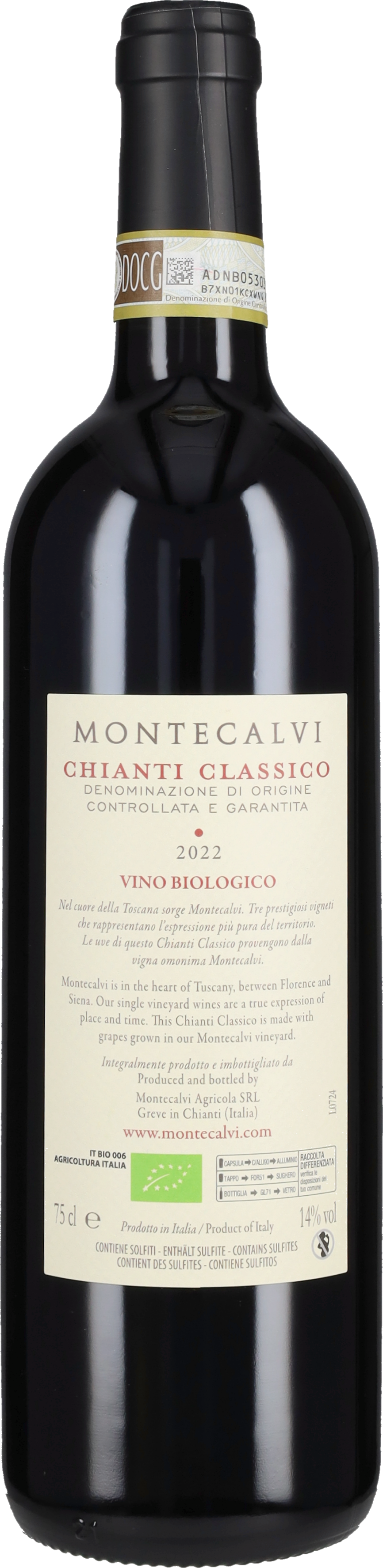
Chianti Classico Caparsa 2022Caparsa presents its Chianti Classico, a slender and meaty label that authentically expresses the famous territory from which it comes. The family-run winery Caparsa, located in Radda in Chianti, passionately manages about 12 hectares of vineyards, certified organic and almost exclusively cultivated with Sangiovese, the principal grape variety of the area. The production is characterized by a traditional and genuine style, as well as by its artisanal character and exemplary typicity. The evocative tasting room is carved out of the old cellar from the 1600s, just as the very old underground room dedicated to wine aging is. The Caparsa Chianti Classico represents a pure expression of Sangiovese, grown in Radda in Chianti at 450 meters above sea level. The harvest is done by hand and in the vineyard, practices required by certified organic farming are adopted. The alcoholic fermentation is carried out by the only yeasts naturally present on the grapes and in the cellar environment and takes place in cement tanks. In the same type of containers, the aging of some takes place.months, before bottling. Caparsa Chianti Classico DOCG has a ruby red hue with violet reflections. The aromas on the nose evoke sensual notes of violet, wild berries, cherry, morello cherry, and underbrush, blending with hints of iron. The taste is dynamic and pure, made very smooth by the crisp freshness that accompanies the pleasant mineral perceptions. A bottle that stands out for its accessibility and spontaneity, to be enjoyed with aged cheeses and cured meats or assorted red meat dishes.34,00 £*Shipping: 48,00 £Secure redirect to the provider
-
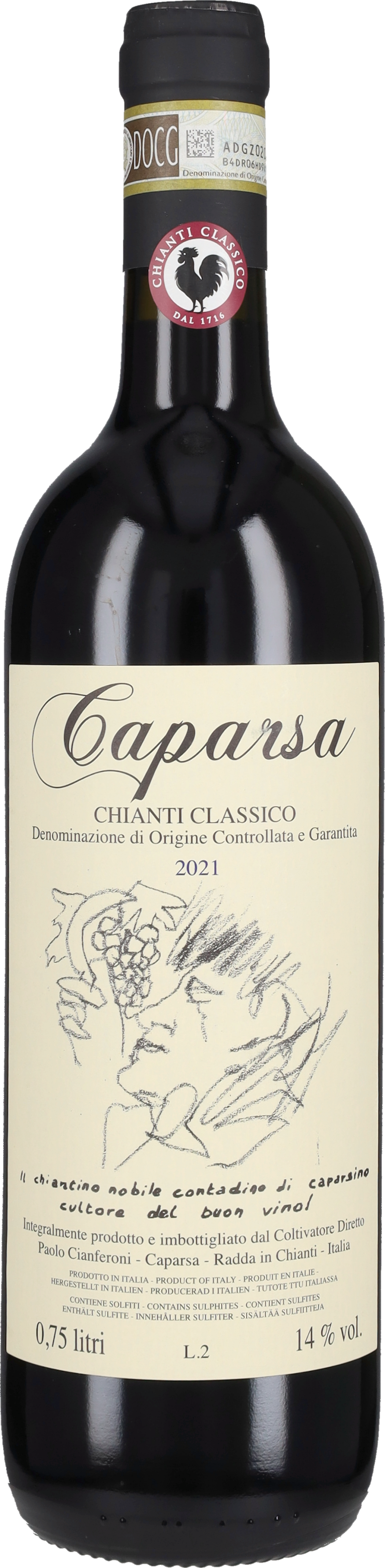
Chianti Classico Riecine 2024Chianti Classico from the Riecine estate takes the form of a typical and representative interpretation of this celebrated appellation that has strongly contributed to defining the image of oenoic Tuscany in the world. We are in Gaiole in Chianti, a subzone of Chianti Classico that, along with Radda and Castellina, is considered the most anciently devoted to viticulture. This area, included in the centre of a natural basin at the foot of the Chianti Mountains, is one of the coolest in the entire Black Rooster appellation, included among the 11 Additional Geographical Units. Riecine Chianti Classico constitutes an expression of pure Sangiovese, a black grape variety grown under a certified organic system. The vines are approximately 25-35 years old and are rooted in soils consisting mainly of limestone and clay between 450 and 500 meters above sea level. Harvesting is done by hand generally between September and October, accompanied by double selection, both in the vineyard and in the cellar. The clusters are then mellowed in unglazed concrete tanks for alcoholic fermentation, accompanied by 15 days of maceration on the skins. The ensuing ageing phase takes place in spent tonneaux and continues for one year before bottling and further brief resting in a glass. Chianti Classico Riecine has a pale ruby red color. Seductive and characteristic aromas of red fruits and violets define the olfactory landscape, along with delicate spicy tones. The sip is voluminous, broad and round, well balanced by marked freshness and a pleasantly tannic finish. Thanks to its remarkable territorial adherence, this Chianti Classico pairs beautifully with traditional Tuscan dishes such as pici with chianina ragu.25,00 £*Shipping: 48,00 £Secure redirect to the provider
-
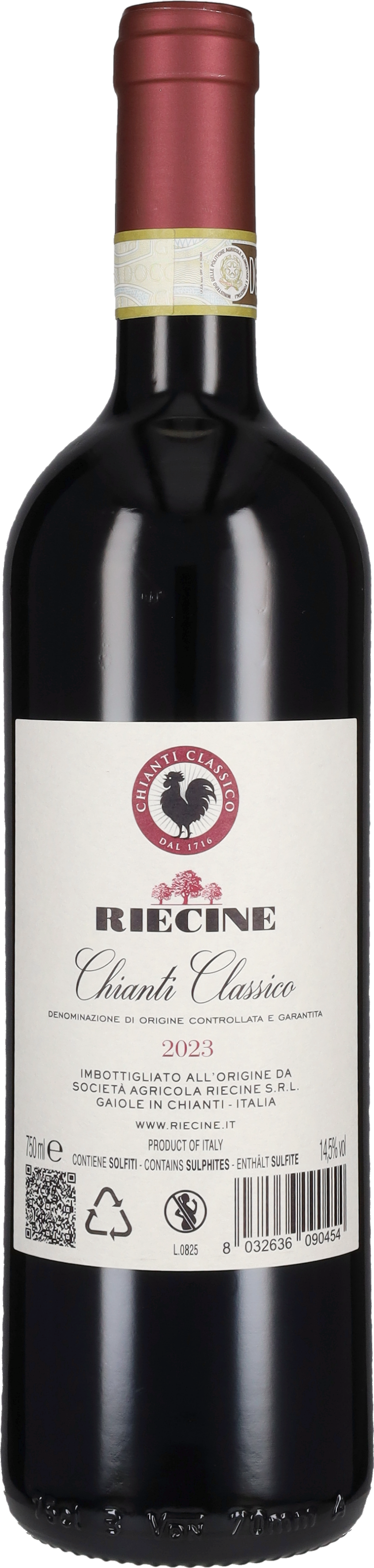
Chianti Classico Castello d'Albola 2024E’ sempre con grande piacere che si stappa una bottiglia di Chianti Classico. Quando poi è così notevole, come quello realizzato dal Castello d’Albola, l’estasi che deriva dalla beva è ancora maggiore. Si tratta infatti di un rosso di grande personalità, il cui carattere deriva da un profilo olfattivo complesso e ben presentato, dove aromi primari e terziari si mescolano con grande armonia, dando vita a un’etichetta a dir poco piacevole. La cantina Castello d’Albola conferma tutta la propria capacità nella realizzazione di grandi vini toscani, che interpretano magnificamente le dolci colline del terroir del Chianti. Il Chianti Classico di Castello d’Albola è prodotto a partire dal vitigno principe del chiantigiano, il Sangiovese, a cui si aggiunge un pizzico di un autoctono toscano, il Canaiolo. Una volta raccolte, le uve, i cui grappoli vengono selezionati con rigore e attenzione, fermentano e macerano sulle proprie bucce, in contenitori di acciaio inox. La malolattica viene svolta invece in legno. Segue poi la fase di affinamento, effettuata in fusti di rovere di Slavonia per 12 mesi, al termine dei quali il vino viene imbottigliato e commercializzato. Il vino Chianti Classico Castello d’Albola si manifesta con un colore rosso rubino, attraversato da leggere venature granata. I profumi che avvolgono il naso evidenziano sentori fruttati, impreziositi da aromi più speziati e di legno tostato. All’assaggio ha un’ottima struttura, che fa leva su un sorso saporito importante, grazie a una componente tannica ben presente. Un’etichetta che, nel corso delle annate, ha riscosso notevoli riconoscimenti, come testimoniano i prestigiosi premi assegnati dalle guide e le alte valutazioni attribuite dalle principali riviste di settore internazionali.14,00 £*Shipping: 48,00 £Secure redirect to the provider

-
Is loving-kindness meditation sufficient instead of mindfulness meditation?
Loving-kindness meditation and mindfulness meditation serve different purposes and can complement each other. While mindfulness meditation focuses on being present and aware of one's thoughts and feelings without judgment, loving-kindness meditation cultivates feelings of compassion and goodwill towards oneself and others. Both practices can be beneficial for overall well-being, and individuals may choose to incorporate both into their meditation routine for a more holistic approach to mental and emotional health. Ultimately, the effectiveness of each practice depends on the individual's specific needs and goals. **
-
What is the difference between mantra meditation and mindfulness meditation?
Mantra meditation involves focusing on a specific word, phrase, or sound to quiet the mind and cultivate a sense of inner peace. This repetition helps to anchor the mind and prevent distractions. On the other hand, mindfulness meditation involves being fully present in the moment, observing thoughts, feelings, and sensations without judgment. It emphasizes awareness of the present moment and acceptance of whatever arises. Both practices can help reduce stress and improve overall well-being, but they differ in their specific techniques and focuses. **
-
Do you have experience with mindfulness meditation?
As an AI, I do not have personal experiences or consciousness to practice mindfulness meditation. However, I have been programmed with knowledge about mindfulness meditation and its benefits. If you have any questions or need guidance on mindfulness meditation techniques, feel free to ask! **
-
Can mindfulness meditation also have no benefit?
While mindfulness meditation has been shown to have numerous benefits for mental and physical well-being, it is possible that it may not have a positive impact on everyone. Some individuals may not find mindfulness meditation helpful due to personal preferences, lack of consistency in practice, or underlying mental health conditions that require additional support. It is important to recognize that mindfulness meditation is not a one-size-fits-all solution and that different practices or therapies may be more effective for some individuals. **

Which anchor point do you use as the meditation object in mindfulness meditation?
In mindfulness meditation, the anchor point used as the meditation object is often the breath. Practitioners focus their attention on the sensations of the breath as it enters and leaves the body, using it as a way to stay present and cultivate awareness. This helps to calm the mind and bring attention back to the present moment when it starts to wander. Other common anchor points include bodily sensations, sounds, or even a specific object or image. **
What are reasons against mindfulness meditation as a Christian?
Some Christians may have concerns about mindfulness meditation because it is rooted in Buddhist practices and teachings, which may conflict with their beliefs. They may also worry that mindfulness meditation could open them up to spiritual influences that are not aligned with Christianity. Additionally, some Christians may feel that focusing on the self and achieving inner peace through meditation goes against the teachings of relying on God for strength and guidance. **
Top-Angebote
Products related to Chianti:
-
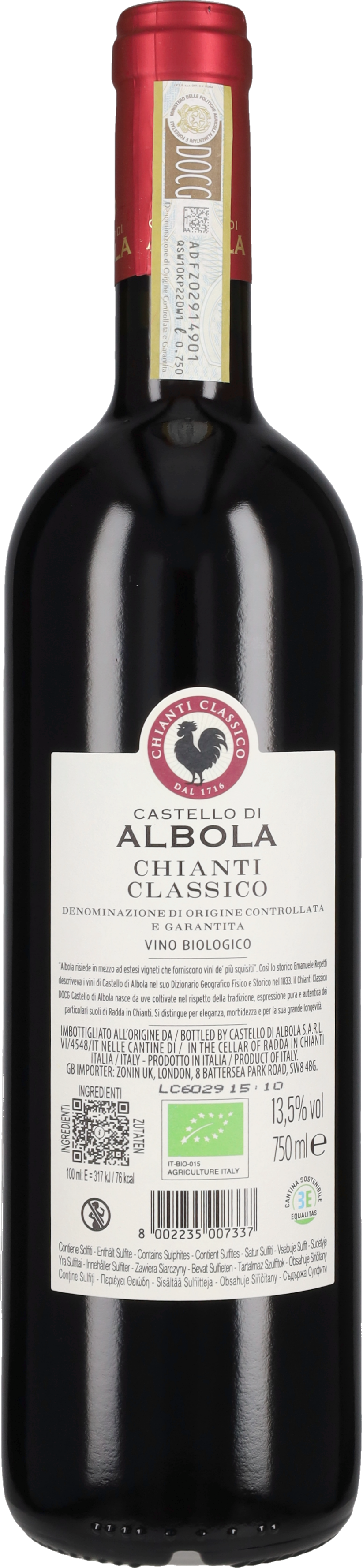
Chianti Classico Vallepicciola 2023The Chianti Classico from Vallepicciola is a Tuscan red wine whose class lies in its ability to bring to light the most typical traits of the denomination to which it belongs. The aroma of wilted violet, typical of Sangiovese, envelops a fruity and juicy nose, while on the palate flows a smooth sip, dominated by a pleasant tannic grip. A label that is born in light of the strong bond between the grape variety used and the territory, and which proposes itself as one of the most representative of the entire area. This Chianti Classico is born from the use of pure grapes of a variety that well represents the Tuscan wine potential in the world, Sangiovese. The VallePicciola winery cultivates it in vineyards located near Pievasciata and Castelnuovo Berardenga, about 400 meters above sea level. Here the terroir is characterized by a mainly calcareous and clayey subsoil. The must ferments in small steel tanks, at a controlled temperature, undergoing malolactic fermentation later, in French oak barrels. The final aging lasts for 12 months, and takes place in large barrels; at the end of this period, the wine is bottled and marketed. The Chianti Classico made by the Vallepicciola winery presents itself visually with a dense, concentrated, and deep ruby red color. Intense is the olfactory profile, which outlines a progression of fruity notes and wilted flowers, enriched by returns of aromatic herbs and sweet spices. On the palate, it is medium-bodied, elegant, equipped with a refined fresh sip, which sketches a tannin that is indeed important, but never at the expense of the overall harmony that reigns during tasting. A label that, precisely with this vintage, brings together the main critics in the sector, not only nationally.16,00 £*Shipping: 48,00 £Secure redirect to the provider
-
Chianti Classico Caparsa 2022Caparsa presents its Chianti Classico, a slender and meaty label that authentically expresses the famous territory from which it comes. The family-run winery Caparsa, located in Radda in Chianti, passionately manages about 12 hectares of vineyards, certified organic and almost exclusively cultivated with Sangiovese, the principal grape variety of the area. The production is characterized by a traditional and genuine style, as well as by its artisanal character and exemplary typicity. The evocative tasting room is carved out of the old cellar from the 1600s, just as the very old underground room dedicated to wine aging is. The Caparsa Chianti Classico represents a pure expression of Sangiovese, grown in Radda in Chianti at 450 meters above sea level. The harvest is done by hand and in the vineyard, practices required by certified organic farming are adopted. The alcoholic fermentation is carried out by the only yeasts naturally present on the grapes and in the cellar environment and takes place in cement tanks. In the same type of containers, the aging of some takes place.months, before bottling. Caparsa Chianti Classico DOCG has a ruby red hue with violet reflections. The aromas on the nose evoke sensual notes of violet, wild berries, cherry, morello cherry, and underbrush, blending with hints of iron. The taste is dynamic and pure, made very smooth by the crisp freshness that accompanies the pleasant mineral perceptions. A bottle that stands out for its accessibility and spontaneity, to be enjoyed with aged cheeses and cured meats or assorted red meat dishes.34,00 £*Shipping: 48,00 £Secure redirect to the provider
-
Is a 12-year-old Chianti still drinkable?
Yes, a 12-year-old Chianti can still be drinkable, especially if it has been stored properly in a cool, dark place. Chianti is a red wine that is known for its aging potential, and many Chianti wines can continue to develop and improve in flavor over time. However, it's important to note that not all Chianti wines are meant for long-term aging, so it's best to consult with a wine expert or sommelier to determine if a specific bottle of Chianti is still drinkable after 12 years. **
-
What are meditation and mindfulness?
Meditation is a practice that involves focusing the mind on a particular object, thought, or activity to train attention and awareness, and achieve a mentally clear and emotionally calm state. Mindfulness is a type of meditation that involves paying attention to the present moment without judgment. It involves being fully aware of your thoughts, feelings, bodily sensations, and surrounding environment. Both meditation and mindfulness have been shown to have numerous benefits for mental and physical well-being, including reducing stress, improving focus, and enhancing overall quality of life. **
-
Is loving-kindness meditation sufficient instead of mindfulness meditation?
Loving-kindness meditation and mindfulness meditation serve different purposes and can complement each other. While mindfulness meditation focuses on being present and aware of one's thoughts and feelings without judgment, loving-kindness meditation cultivates feelings of compassion and goodwill towards oneself and others. Both practices can be beneficial for overall well-being, and individuals may choose to incorporate both into their meditation routine for a more holistic approach to mental and emotional health. Ultimately, the effectiveness of each practice depends on the individual's specific needs and goals. **
-
What is the difference between mantra meditation and mindfulness meditation?
Mantra meditation involves focusing on a specific word, phrase, or sound to quiet the mind and cultivate a sense of inner peace. This repetition helps to anchor the mind and prevent distractions. On the other hand, mindfulness meditation involves being fully present in the moment, observing thoughts, feelings, and sensations without judgment. It emphasizes awareness of the present moment and acceptance of whatever arises. Both practices can help reduce stress and improve overall well-being, but they differ in their specific techniques and focuses. **
Similar search terms for Chianti
-
Chianti Classico Riecine 2024Chianti Classico from the Riecine estate takes the form of a typical and representative interpretation of this celebrated appellation that has strongly contributed to defining the image of oenoic Tuscany in the world. We are in Gaiole in Chianti, a subzone of Chianti Classico that, along with Radda and Castellina, is considered the most anciently devoted to viticulture. This area, included in the centre of a natural basin at the foot of the Chianti Mountains, is one of the coolest in the entire Black Rooster appellation, included among the 11 Additional Geographical Units. Riecine Chianti Classico constitutes an expression of pure Sangiovese, a black grape variety grown under a certified organic system. The vines are approximately 25-35 years old and are rooted in soils consisting mainly of limestone and clay between 450 and 500 meters above sea level. Harvesting is done by hand generally between September and October, accompanied by double selection, both in the vineyard and in the cellar. The clusters are then mellowed in unglazed concrete tanks for alcoholic fermentation, accompanied by 15 days of maceration on the skins. The ensuing ageing phase takes place in spent tonneaux and continues for one year before bottling and further brief resting in a glass. Chianti Classico Riecine has a pale ruby red color. Seductive and characteristic aromas of red fruits and violets define the olfactory landscape, along with delicate spicy tones. The sip is voluminous, broad and round, well balanced by marked freshness and a pleasantly tannic finish. Thanks to its remarkable territorial adherence, this Chianti Classico pairs beautifully with traditional Tuscan dishes such as pici with chianina ragu.25,00 £*Shipping: 48,00 £Secure redirect to the provider
-
Chianti Classico Castello d'Albola 2024E’ sempre con grande piacere che si stappa una bottiglia di Chianti Classico. Quando poi è così notevole, come quello realizzato dal Castello d’Albola, l’estasi che deriva dalla beva è ancora maggiore. Si tratta infatti di un rosso di grande personalità, il cui carattere deriva da un profilo olfattivo complesso e ben presentato, dove aromi primari e terziari si mescolano con grande armonia, dando vita a un’etichetta a dir poco piacevole. La cantina Castello d’Albola conferma tutta la propria capacità nella realizzazione di grandi vini toscani, che interpretano magnificamente le dolci colline del terroir del Chianti. Il Chianti Classico di Castello d’Albola è prodotto a partire dal vitigno principe del chiantigiano, il Sangiovese, a cui si aggiunge un pizzico di un autoctono toscano, il Canaiolo. Una volta raccolte, le uve, i cui grappoli vengono selezionati con rigore e attenzione, fermentano e macerano sulle proprie bucce, in contenitori di acciaio inox. La malolattica viene svolta invece in legno. Segue poi la fase di affinamento, effettuata in fusti di rovere di Slavonia per 12 mesi, al termine dei quali il vino viene imbottigliato e commercializzato. Il vino Chianti Classico Castello d’Albola si manifesta con un colore rosso rubino, attraversato da leggere venature granata. I profumi che avvolgono il naso evidenziano sentori fruttati, impreziositi da aromi più speziati e di legno tostato. All’assaggio ha un’ottima struttura, che fa leva su un sorso saporito importante, grazie a una componente tannica ben presente. Un’etichetta che, nel corso delle annate, ha riscosso notevoli riconoscimenti, come testimoniano i prestigiosi premi assegnati dalle guide e le alte valutazioni attribuite dalle principali riviste di settore internazionali.14,00 £*Shipping: 48,00 £Secure redirect to the provider
-
Do you have experience with mindfulness meditation?
As an AI, I do not have personal experiences or consciousness to practice mindfulness meditation. However, I have been programmed with knowledge about mindfulness meditation and its benefits. If you have any questions or need guidance on mindfulness meditation techniques, feel free to ask! **
-
Can mindfulness meditation also have no benefit?
While mindfulness meditation has been shown to have numerous benefits for mental and physical well-being, it is possible that it may not have a positive impact on everyone. Some individuals may not find mindfulness meditation helpful due to personal preferences, lack of consistency in practice, or underlying mental health conditions that require additional support. It is important to recognize that mindfulness meditation is not a one-size-fits-all solution and that different practices or therapies may be more effective for some individuals. **
-
Which anchor point do you use as the meditation object in mindfulness meditation?
In mindfulness meditation, the anchor point used as the meditation object is often the breath. Practitioners focus their attention on the sensations of the breath as it enters and leaves the body, using it as a way to stay present and cultivate awareness. This helps to calm the mind and bring attention back to the present moment when it starts to wander. Other common anchor points include bodily sensations, sounds, or even a specific object or image. **
-
What are reasons against mindfulness meditation as a Christian?
Some Christians may have concerns about mindfulness meditation because it is rooted in Buddhist practices and teachings, which may conflict with their beliefs. They may also worry that mindfulness meditation could open them up to spiritual influences that are not aligned with Christianity. Additionally, some Christians may feel that focusing on the self and achieving inner peace through meditation goes against the teachings of relying on God for strength and guidance. **
* All prices are inclusive of VAT and, if applicable, plus shipping costs. The offer information is based on the details provided by the respective shop and is updated through automated processes. Real-time updates do not occur, so deviations can occur in individual cases. ** Note: Parts of this content were created by AI.