Buy sublimationtalk.com ?
We are moving the project
sublimationtalk.com .
Are you interested in purchasing the domain
sublimationtalk.com ?
domain@kv-gmbh.de · 0541-91531010
Buy sublimationtalk.com ?
Can asexuality disappear?
Asexuality is a sexual orientation that is innate and does not disappear. It is a valid and natural way of experiencing attraction or lack thereof. While an individual's understanding and acceptance of their asexuality may evolve over time, the orientation itself does not change. It is important to respect and validate a person's identity, whether they identify as asexual or not. **
What defines asexuality?
Asexuality is defined as a sexual orientation characterized by a lack of sexual attraction to others. Asexual individuals may still experience romantic attraction and desire for emotional intimacy, but they do not experience sexual attraction. Asexuality is a valid and natural orientation, and asexual individuals may have diverse experiences and identities within the asexual spectrum. It is important to respect and validate the experiences of asexual individuals and recognize that asexuality is a legitimate and valid sexual orientation. **

Similar search terms for Asexuality
Top-Angebote
Products related to Asexuality:
-
Yellow Kite 10% Happier by Dan Harris 2 Books Collection Set - Paperback - 10% Happier & Meditation for Fidgety Skeptics - Adult Mindfulness & MeditationDiscover a more mindful you with the 10% Happier 2 Books Collection Set by Dan Harris. This set includes his landmark memoir, 10% Happier, and its hands-on companion guide, Meditation for Fidgety Skeptics. Written in a warm, funny, and grounded style, these books turn the real benefits of meditation into small, sustainable habits you can actually keep. Perfect for busy, restless, and skeptical minds, this set is ideal for beginners, lapsed meditators, and anyone curious about a calmer, less reactive way to live. The books are published by Yellow Kite and Hodder, and are available in paperback format. The ISBN numbers for the books are 9781529329032 and 9781473691391, respectively. The age range for this product is adult.13,99 £*Shipping: 2,99 £Secure redirect to the provider

-
Is asexuality treatable?
Asexuality is not a disorder or a medical condition, so it does not require treatment. Asexuality is a sexual orientation, just like being heterosexual, homosexual, or bisexual. It is a natural variation in human sexuality and does not need to be "treated." However, some asexual individuals may seek therapy or counseling to help navigate their identity and address any challenges they may face in a society that often prioritizes sexual relationships. It's important for mental health professionals to approach asexuality with understanding and respect, and to provide support that is affirming of an individual's identity. **
-
What is asexuality actually?
Asexuality is a sexual orientation characterized by a lack of sexual attraction towards others. Asexual individuals may still experience romantic attraction and desire emotional intimacy, but they do not feel the need for sexual relationships. Asexuality is a valid and natural orientation, just like any other sexual orientation, and it is important to respect and acknowledge the diversity of human sexuality. **
-
How common is asexuality?
Asexuality is estimated to be relatively uncommon, with studies suggesting that around 1% of the population identifies as asexual. However, it's important to note that asexuality exists on a spectrum, and some people may experience varying degrees of sexual attraction or lack thereof. Additionally, asexuality is still not widely understood or recognized, so the actual number of asexual individuals may be higher than reported. Overall, asexuality is a valid and legitimate sexual orientation, and it's important to respect and acknowledge the experiences of asexual individuals. **
-
How can one unlearn asexuality?
Unlearning asexuality involves exploring and understanding one's own feelings and desires towards sexuality. This process may involve therapy, self-reflection, and education about different aspects of sexuality. It is important to challenge any internalized beliefs or societal norms that may have influenced one's understanding of asexuality. Ultimately, unlearning asexuality requires an open mind, patience, and a willingness to explore and embrace one's own unique sexual identity. **
Can a person develop asexuality?
Asexuality is a sexual orientation that is characterized by a lack of sexual attraction to others. It is not something that can be developed, but rather is a natural part of a person's identity. A person may come to understand and identify with their asexuality over time, but it is not something that is developed or chosen. Asexuality is a valid and legitimate sexual orientation, and individuals who identify as asexual should be respected and supported in their identity. **
What form of asexuality is this?
The form of asexuality described in the question is known as "aromantic asexuality." This means that the individual does not experience sexual attraction or desire, and also does not experience romantic attraction or desire. Aromantic asexual individuals may still form deep emotional connections with others, but these connections are not based on romantic or sexual attraction. **
Top-Angebote
Products related to Asexuality:
-
Art of Mindfulness for Beginners: Art Therapy & Nature - Paperback Self-Help Book by B Jain Publishing - Mindfulness & Art Therapy for AdultsDiscover a gentle and accessible guide to mindfulness through art therapy and nature. This beginner-friendly paperback is designed for those looking to slow down and reconnect with the present moment through creative expression. Blending simple art-making exercises with the calming influence of the natural world, it provides practical tools for reducing stress. No artistic experience is required, just an open mind and a willingness to explore mindfulness through colour, texture, and the rhythms of nature. This book sits at the crossroads of art therapy and nature-based mindfulness, two disciplines that can help ease everyday anxiety and mental fatigue. Rather than focusing on technical drawing or painting skill, the book centres on process over product, guiding readers through a series of exercises that promote mindfulness and self-discovery. Published by B Jain Publishing, this paperback is a great resource for anyone looking to cultivate a greater sense of calm and well-being in their daily lives.3,49 £*Shipping: 2,99 £Secure redirect to the provider
-
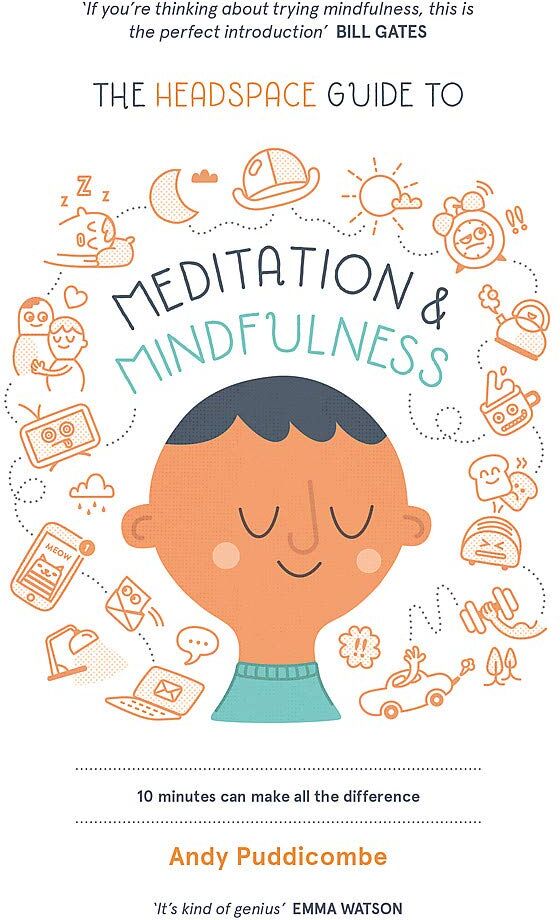
Coronet The Headspace Guide to Mindfulness & Meditation by Andy Puddicombe - Paperback - 10 Minute Daily Meditation for AdultsDiscover the accessible world of mindfulness and meditation with The Headspace Guide to Mindfulness and Meditation by Andy Puddicombe. This practical guide, written in a warm and jargon-free voice, offers a science-friendly framework for complete beginners and lapsed meditators alike. Andy Puddicombe, a former Buddhist monk, distills a decade of monastic training into ten-minute daily practices that can help restore calm, clarity, and focus. By committing to just ten minutes a day, you can meaningfully change how you read and live your life. This paperback reissue of Get Some Headspace provides a clear and accessible route into modern meditation, making it easy to incorporate mindfulness into your busy schedule.2,99 £*Shipping: 2,99 £Secure redirect to the provider
-
Yellow Kite 10% Happier by Dan Harris 2 Books Collection Set - Paperback - 10% Happier & Meditation for Fidgety Skeptics - Adult Mindfulness & MeditationDiscover a more mindful you with the 10% Happier 2 Books Collection Set by Dan Harris. This set includes his landmark memoir, 10% Happier, and its hands-on companion guide, Meditation for Fidgety Skeptics. Written in a warm, funny, and grounded style, these books turn the real benefits of meditation into small, sustainable habits you can actually keep. Perfect for busy, restless, and skeptical minds, this set is ideal for beginners, lapsed meditators, and anyone curious about a calmer, less reactive way to live. The books are published by Yellow Kite and Hodder, and are available in paperback format. The ISBN numbers for the books are 9781529329032 and 9781473691391, respectively. The age range for this product is adult.13,99 £*Shipping: 2,99 £Secure redirect to the provider
-
Can asexuality disappear?
Asexuality is a sexual orientation that is innate and does not disappear. It is a valid and natural way of experiencing attraction or lack thereof. While an individual's understanding and acceptance of their asexuality may evolve over time, the orientation itself does not change. It is important to respect and validate a person's identity, whether they identify as asexual or not. **
-
What defines asexuality?
Asexuality is defined as a sexual orientation characterized by a lack of sexual attraction to others. Asexual individuals may still experience romantic attraction and desire for emotional intimacy, but they do not experience sexual attraction. Asexuality is a valid and natural orientation, and asexual individuals may have diverse experiences and identities within the asexual spectrum. It is important to respect and validate the experiences of asexual individuals and recognize that asexuality is a legitimate and valid sexual orientation. **
-
Is asexuality treatable?
Asexuality is not a disorder or a medical condition, so it does not require treatment. Asexuality is a sexual orientation, just like being heterosexual, homosexual, or bisexual. It is a natural variation in human sexuality and does not need to be "treated." However, some asexual individuals may seek therapy or counseling to help navigate their identity and address any challenges they may face in a society that often prioritizes sexual relationships. It's important for mental health professionals to approach asexuality with understanding and respect, and to provide support that is affirming of an individual's identity. **
-
What is asexuality actually?
Asexuality is a sexual orientation characterized by a lack of sexual attraction towards others. Asexual individuals may still experience romantic attraction and desire emotional intimacy, but they do not feel the need for sexual relationships. Asexuality is a valid and natural orientation, just like any other sexual orientation, and it is important to respect and acknowledge the diversity of human sexuality. **
Similar search terms for Asexuality
-
How common is asexuality?
Asexuality is estimated to be relatively uncommon, with studies suggesting that around 1% of the population identifies as asexual. However, it's important to note that asexuality exists on a spectrum, and some people may experience varying degrees of sexual attraction or lack thereof. Additionally, asexuality is still not widely understood or recognized, so the actual number of asexual individuals may be higher than reported. Overall, asexuality is a valid and legitimate sexual orientation, and it's important to respect and acknowledge the experiences of asexual individuals. **
-
How can one unlearn asexuality?
Unlearning asexuality involves exploring and understanding one's own feelings and desires towards sexuality. This process may involve therapy, self-reflection, and education about different aspects of sexuality. It is important to challenge any internalized beliefs or societal norms that may have influenced one's understanding of asexuality. Ultimately, unlearning asexuality requires an open mind, patience, and a willingness to explore and embrace one's own unique sexual identity. **
-
Can a person develop asexuality?
Asexuality is a sexual orientation that is characterized by a lack of sexual attraction to others. It is not something that can be developed, but rather is a natural part of a person's identity. A person may come to understand and identify with their asexuality over time, but it is not something that is developed or chosen. Asexuality is a valid and legitimate sexual orientation, and individuals who identify as asexual should be respected and supported in their identity. **
-
What form of asexuality is this?
The form of asexuality described in the question is known as "aromantic asexuality." This means that the individual does not experience sexual attraction or desire, and also does not experience romantic attraction or desire. Aromantic asexual individuals may still form deep emotional connections with others, but these connections are not based on romantic or sexual attraction. **
* All prices are inclusive of VAT and, if applicable, plus shipping costs. The offer information is based on the details provided by the respective shop and is updated through automated processes. Real-time updates do not occur, so deviations can occur in individual cases. ** Note: Parts of this content were created by AI.