Buy sublimationtalk.com ?
We are moving the project
sublimationtalk.com .
Are you interested in purchasing the domain
sublimationtalk.com ?
domain@kv-gmbh.de · 0541-91531010
Buy sublimationtalk.com ?
What is Mochi Pink?
Mochi Pink is a soft, pastel pink color that is often associated with the Japanese confection known as mochi. It is a gentle and soothing shade of pink that is reminiscent of the sweet and delicate nature of the mochi dessert. Mochi Pink is a popular color in fashion, beauty, and interior design, often used to create a calming and feminine aesthetic. **
Do you like Mochi?
As an AI, I don't have personal preferences or tastes. However, I can tell you that many people enjoy Mochi for its unique texture and sweet flavor. It is a popular treat in Japanese cuisine and is often enjoyed during special occasions and celebrations. Whether or not someone likes Mochi is a matter of personal taste, but it is definitely a beloved food for many. **
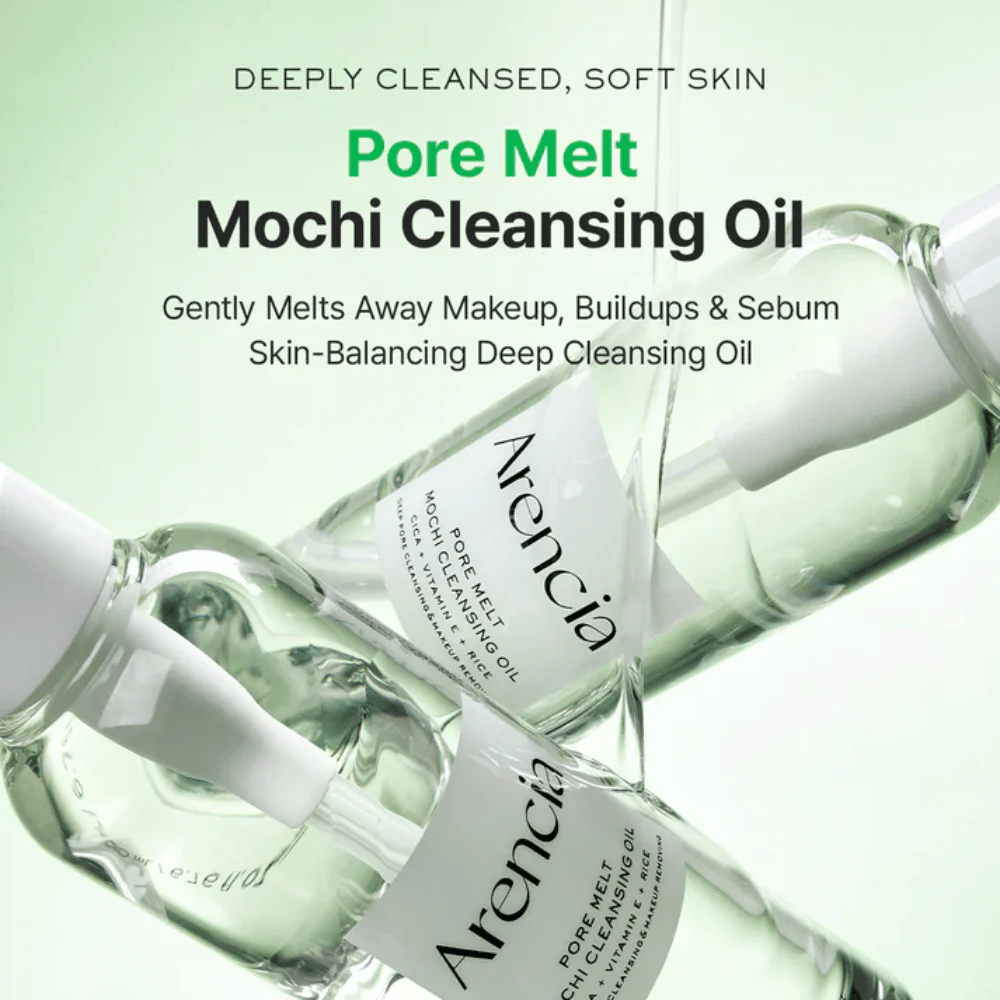
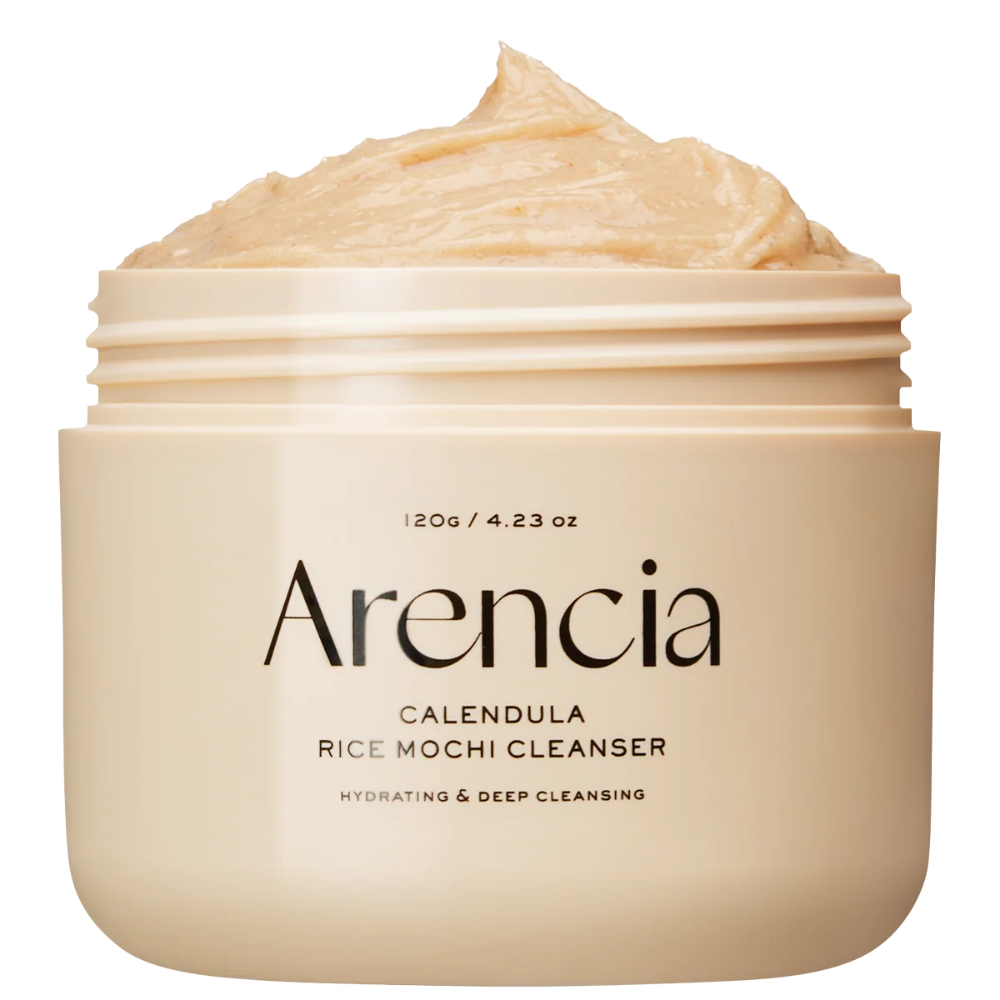
Similar search terms for Arencia-Pore-Melt-Mochi
Top-Angebote
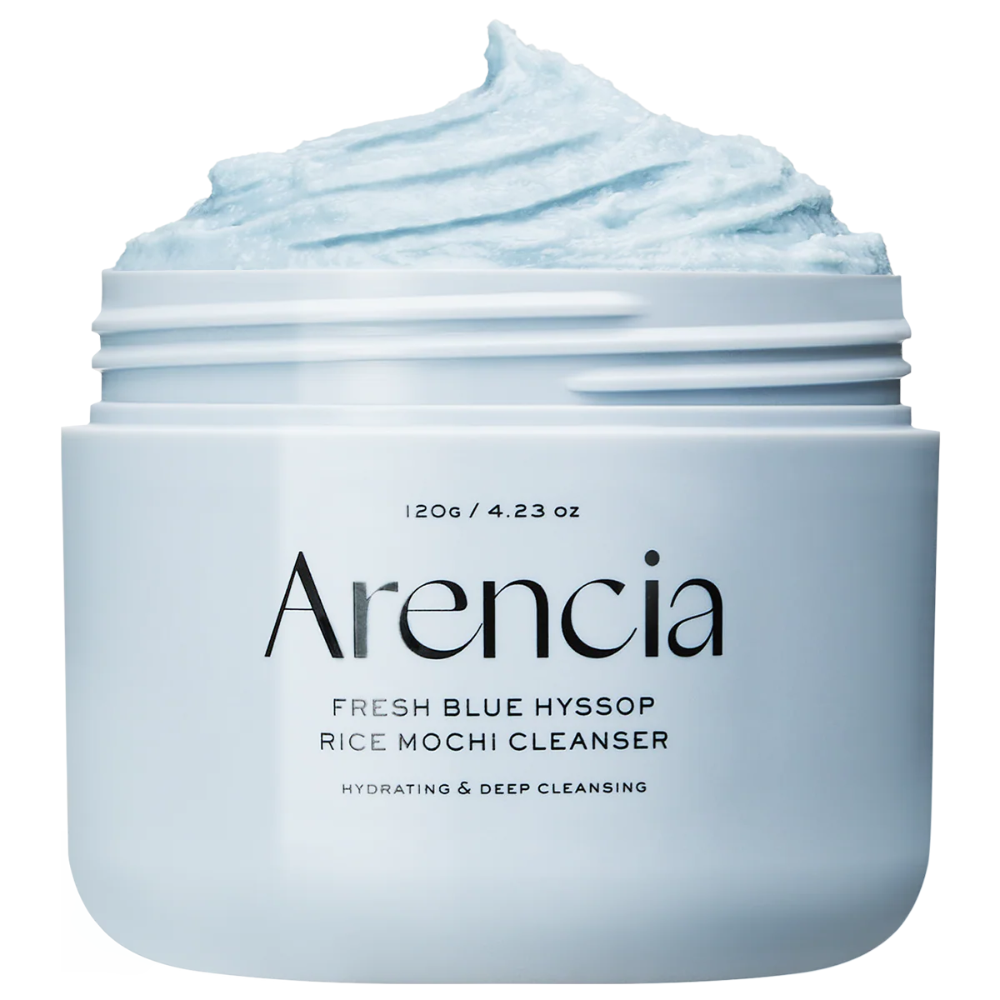
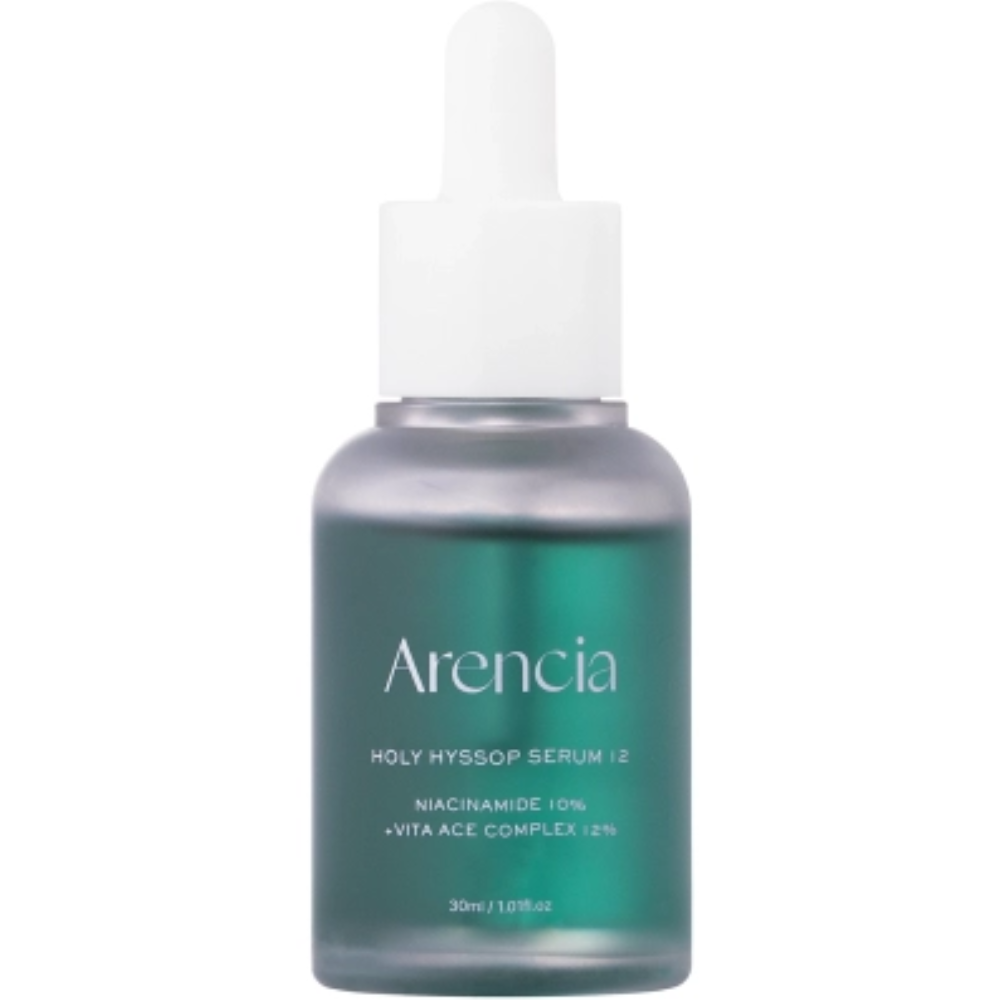
Products related to Arencia-Pore-Melt-Mochi:


-
Why is Jimin's nickname Mochi?
Jimin's nickname "Mochi" comes from his fans who affectionately compare his soft, squishy cheeks to the texture of mochi, a Japanese rice cake. The nickname reflects Jimin's cute and lovable image, and it has become a popular way for fans to express their adoration for him. Additionally, Jimin himself has embraced the nickname and even used it in his social media posts, further solidifying its association with him. **
-
Is there a Mochi recipe that is similar to the Eat Happy Mochi recipe?
Yes, there are many variations of Mochi recipes that are similar to the Eat Happy Mochi recipe. One popular version is the traditional Japanese Mochi recipe, which uses glutinous rice flour, sugar, and water to create a chewy and sweet treat. Another option is the Korean Chapssal Tteok recipe, which also uses glutinous rice flour but may include additional ingredients like red bean paste or sesame seeds for flavor. Overall, there are many delicious Mochi recipes to explore that share similarities with the Eat Happy Mochi recipe. **
-
Is there a mochi recipe that is similar to the Eat Happy mochi recipe?
Yes, there are many variations of mochi recipes that are similar to the Eat Happy mochi recipe. One popular version is the traditional Japanese mochi recipe, which uses glutinous rice flour, sugar, and water to create a chewy and sweet mochi. Another similar recipe is the Korean chapssaltteok, which also uses glutinous rice flour but may include ingredients like red bean paste or sesame seeds for added flavor. Overall, there are many delicious mochi recipes out there that share similarities with the Eat Happy mochi recipe. **
-
Does the pore vacuum work?
Pore vacuums can be effective in removing blackheads and excess oil from the skin, but results may vary depending on the individual's skin type and the specific device being used. Some people may find that pore vacuums help improve the appearance of their skin by unclogging pores and reducing the visibility of blackheads, while others may not see significant results. It is important to use pore vacuums properly and carefully to avoid damaging the skin. Consulting with a dermatologist or skincare professional can help determine if a pore vacuum is a suitable option for addressing specific skin concerns. **

What is a stomatal pore?
A stomatal pore is a tiny opening found on the surface of plant leaves and stems. It is surrounded by two specialized cells called guard cells, which control the opening and closing of the pore. The main function of stomatal pores is to regulate the exchange of gases, such as carbon dioxide and oxygen, between the plant and the surrounding environment. This process is essential for photosynthesis and transpiration, as well as for the regulation of water and gas exchange in the plant. **
What is the pore size?
The pore size refers to the diameter of the openings in a material through which fluids or gases can pass. It is a measure of the size of the voids or spaces within the material. Pore size is an important factor in determining the filtration or separation capabilities of a material, as well as its permeability to different substances. Pore size can vary widely depending on the material and its intended application, and it is often a critical parameter in industries such as filtration, membrane technology, and materials science. **
Top-Angebote
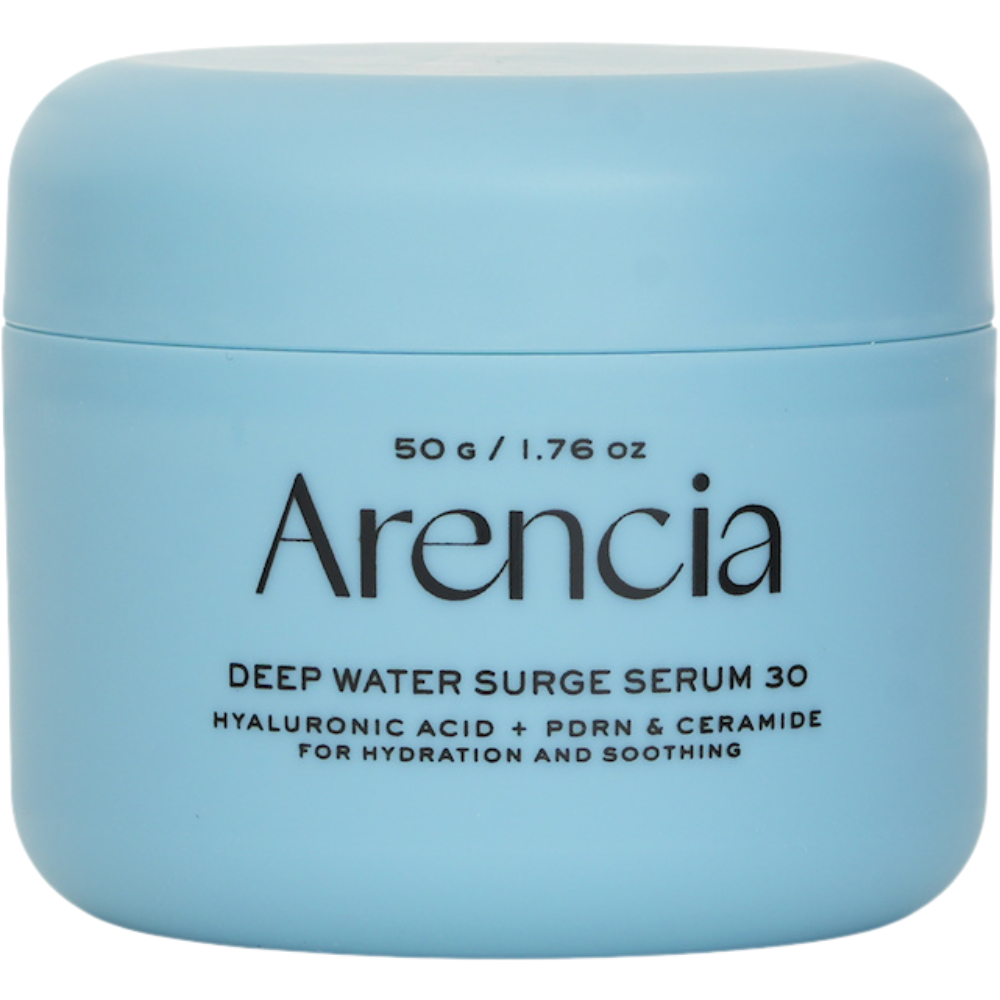
Products related to Arencia-Pore-Melt-Mochi:
-
What is Mochi Pink?
Mochi Pink is a soft, pastel pink color that is often associated with the Japanese confection known as mochi. It is a gentle and soothing shade of pink that is reminiscent of the sweet and delicate nature of the mochi dessert. Mochi Pink is a popular color in fashion, beauty, and interior design, often used to create a calming and feminine aesthetic. **
-
Do you like Mochi?
As an AI, I don't have personal preferences or tastes. However, I can tell you that many people enjoy Mochi for its unique texture and sweet flavor. It is a popular treat in Japanese cuisine and is often enjoyed during special occasions and celebrations. Whether or not someone likes Mochi is a matter of personal taste, but it is definitely a beloved food for many. **
-
Why is Jimin's nickname Mochi?
Jimin's nickname "Mochi" comes from his fans who affectionately compare his soft, squishy cheeks to the texture of mochi, a Japanese rice cake. The nickname reflects Jimin's cute and lovable image, and it has become a popular way for fans to express their adoration for him. Additionally, Jimin himself has embraced the nickname and even used it in his social media posts, further solidifying its association with him. **
-
Is there a Mochi recipe that is similar to the Eat Happy Mochi recipe?
Yes, there are many variations of Mochi recipes that are similar to the Eat Happy Mochi recipe. One popular version is the traditional Japanese Mochi recipe, which uses glutinous rice flour, sugar, and water to create a chewy and sweet treat. Another option is the Korean Chapssal Tteok recipe, which also uses glutinous rice flour but may include additional ingredients like red bean paste or sesame seeds for flavor. Overall, there are many delicious Mochi recipes to explore that share similarities with the Eat Happy Mochi recipe. **
Similar search terms for Arencia-Pore-Melt-Mochi
-
Is there a mochi recipe that is similar to the Eat Happy mochi recipe?
Yes, there are many variations of mochi recipes that are similar to the Eat Happy mochi recipe. One popular version is the traditional Japanese mochi recipe, which uses glutinous rice flour, sugar, and water to create a chewy and sweet mochi. Another similar recipe is the Korean chapssaltteok, which also uses glutinous rice flour but may include ingredients like red bean paste or sesame seeds for added flavor. Overall, there are many delicious mochi recipes out there that share similarities with the Eat Happy mochi recipe. **
-
Does the pore vacuum work?
Pore vacuums can be effective in removing blackheads and excess oil from the skin, but results may vary depending on the individual's skin type and the specific device being used. Some people may find that pore vacuums help improve the appearance of their skin by unclogging pores and reducing the visibility of blackheads, while others may not see significant results. It is important to use pore vacuums properly and carefully to avoid damaging the skin. Consulting with a dermatologist or skincare professional can help determine if a pore vacuum is a suitable option for addressing specific skin concerns. **
-
What is a stomatal pore?
A stomatal pore is a tiny opening found on the surface of plant leaves and stems. It is surrounded by two specialized cells called guard cells, which control the opening and closing of the pore. The main function of stomatal pores is to regulate the exchange of gases, such as carbon dioxide and oxygen, between the plant and the surrounding environment. This process is essential for photosynthesis and transpiration, as well as for the regulation of water and gas exchange in the plant. **
-
What is the pore size?
The pore size refers to the diameter of the openings in a material through which fluids or gases can pass. It is a measure of the size of the voids or spaces within the material. Pore size is an important factor in determining the filtration or separation capabilities of a material, as well as its permeability to different substances. Pore size can vary widely depending on the material and its intended application, and it is often a critical parameter in industries such as filtration, membrane technology, and materials science. **
* All prices are inclusive of VAT and, if applicable, plus shipping costs. The offer information is based on the details provided by the respective shop and is updated through automated processes. Real-time updates do not occur, so deviations can occur in individual cases. ** Note: Parts of this content were created by AI.